Dishwashers are among the most valuable appliances in modern households, saving both time and effort in daily cleaning routines. However, like all appliances, they face wear and tear over time, and one of the most common yet often overlooked issues is the effect of hard water on their seals. Dishwasher seals play a vital role in ensuring that water stays contained during the wash cycle. When these seals become damaged, compromised, or brittle, the appliance loses efficiency and may even suffer from major leaks that require costly repairs.
Hard water is particularly problematic because of the high mineral content it carries, mainly calcium and magnesium. These minerals accumulate on various dishwasher components, including seals, gaskets, and hoses, leading to gradual deterioration. Understanding the connection between hard water and dishwasher seals is essential not only for homeowners who want to extend the life of their appliances but also for those who wish to reduce long-term repair costs.
Understanding Hard Water and Its Properties
Hard water is characterized by a higher-than-normal concentration of minerals, particularly calcium and magnesium. While these minerals are not harmful to health, they can wreak havoc on appliances that rely on water to function properly. Unlike soft water, which contains fewer dissolved minerals, hard water tends to leave behind deposits when it evaporates or when the water is heated.
In dishwashers, this phenomenon becomes problematic because seals are designed to stay flexible and watertight. Mineral buildup reduces that flexibility, making the seals stiff or brittle over time. Additionally, the residue left behind by hard water can prevent seals from forming an effective barrier, allowing water to escape during the wash cycle.
The Role of Dishwasher Seals
Seals, also known as gaskets, are the protective rubber or silicone barriers located around the dishwasher door and in other connection points within the machine. Their primary job is to create a watertight closure so that no water leaks out while the appliance is running. Without these seals, the pressure and circulation of water inside the dishwasher would quickly cause flooding in the kitchen.
The integrity of these seals is crucial to maintaining the overall efficiency of the dishwasher. A seal that becomes compromised not only leads to water leaks but also contributes to reduced cleaning performance. This is because leaks often lower internal water pressure, reducing the effectiveness of spray arms and detergents.
How Hard Water Affects Dishwasher Seals
The impact of hard water on seals occurs gradually, but the long-term effects are significant. Each time the dishwasher is used, mineral-rich water makes contact with the seals. Over time, the following issues develop:
- Mineral Crystallization – As water dries, calcium and magnesium are left behind as chalky deposits. These deposits form around the edges of the seals, hardening the surface and preventing them from staying supple.
- Seal Dehydration – Hard water deposits cause seals to lose their natural elasticity. A seal that was once flexible and soft becomes dry and brittle, reducing its ability to form a tight closure.
- Increased Wear and Tear – Once mineral buildup begins, seals often rub unevenly against the dishwasher door and frame. This constant friction accelerates their deterioration.
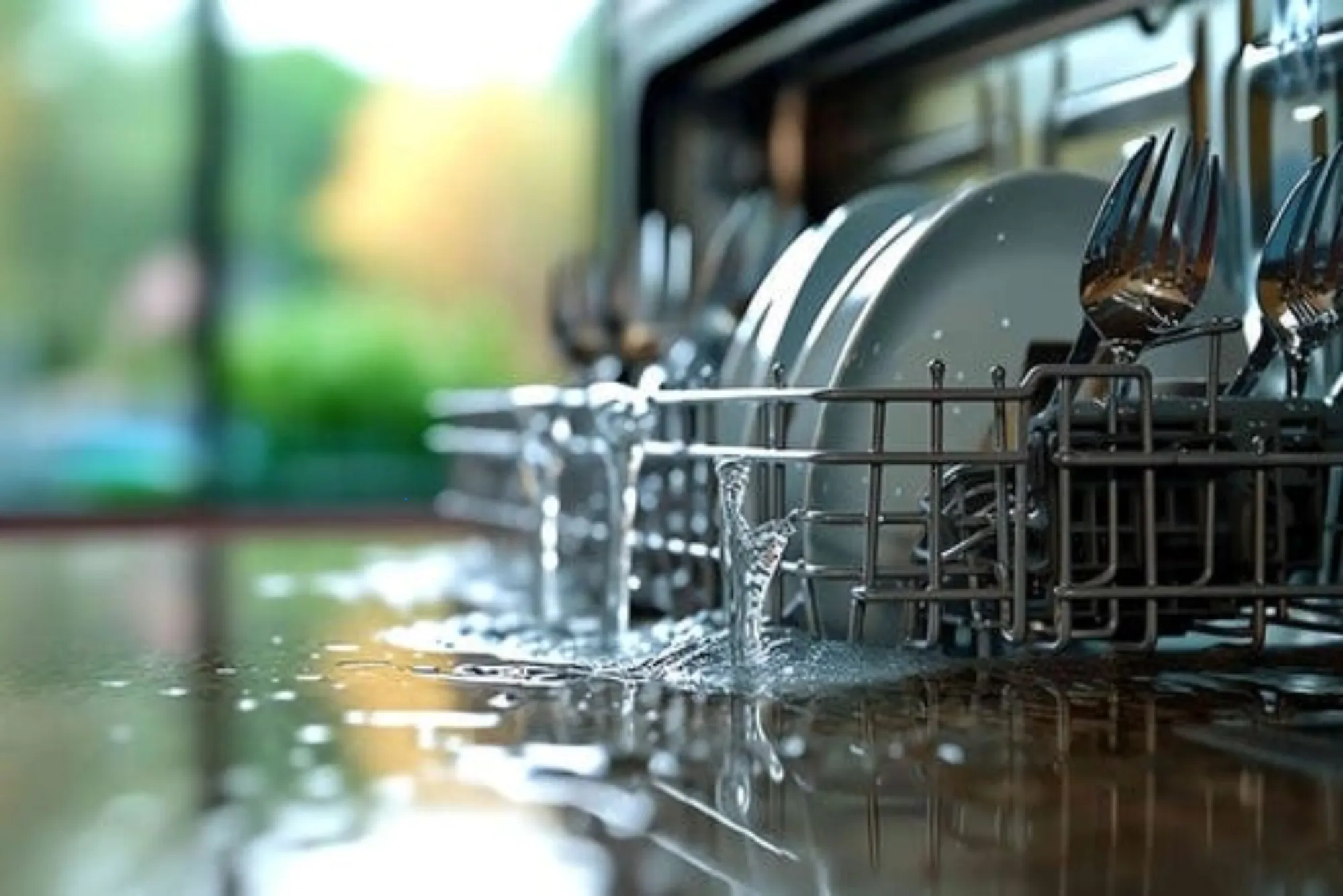
- Leak Formation – Ultimately, seals affected by hard water lose their ability to prevent water from escaping, leading to puddles on the kitchen floor, damp cabinetry, and even mold growth.
Signs That Hard Water Is Damaging Dishwasher Seals
Homeowners should remain vigilant for early signs that hard water has started to compromise dishwasher seals. Warning indicators include:
- A white, chalky buildup around the door edges.
- Stiff or cracked seals that no longer feel soft to the touch.
- Small water puddles around the dishwasher after a cycle.
- Persistent odors caused by trapped moisture around weakened seals.
- Decreased cleaning performance despite using detergent regularly.
Recognizing these signs early can make the difference between a simple maintenance fix and the need for a complete seal replacement.
Long-Term Risks of Ignoring Seal Damage
Ignoring the effects of hard water on dishwasher seals can lead to extensive damage that goes beyond minor leaks. Over time, water leakage may damage the floor beneath the appliance, warp kitchen cabinets, and even create an environment for mold and mildew to thrive. The cost of repairing water damage can be several times higher than replacing worn seals.
Additionally, when seals fail to contain water properly, the internal mechanics of the dishwasher are exposed to moisture in unintended areas. This can lead to corrosion of metal components and electrical issues, further reducing the lifespan of the machine. In many cases, prolonged exposure to hard water without proper maintenance leads to the premature replacement of the entire dishwasher.
Maintenance Solutions for Hard Water Problems
Fortunately, homeowners can take proactive steps to minimize the impact of hard water on dishwasher seals. One of the most effective measures is the use of water softeners. A water softener removes calcium and magnesium from the water supply, significantly reducing the likelihood of mineral deposits forming inside the appliance.
In addition to a water softener, routine cleaning of seals can extend their life. Regularly wiping down the edges of the dishwasher door and seals with a damp cloth prevents mineral buildup from accumulating. For tougher deposits, a mixture of vinegar and water can be used to gently dissolve the chalky residue.
Another preventative step is to use dishwasher cleaning agents specifically formulated for hard water conditions. These cleaners break down mineral deposits, keeping both internal components and seals free of buildup.
Professional Dishwasher Maintenance
While basic maintenance can be performed at home, professional servicing is often necessary to address hard water damage thoroughly. Appliance repair specialists have the tools and expertise to inspect seals, identify early signs of wear, and recommend replacements before leaks become severe. Professional technicians also clean internal components that are difficult to reach, ensuring that the dishwasher remains efficient and reliable.
Choosing professional maintenance is particularly important in regions where hard water is a persistent issue. Regular check-ups not only extend the lifespan of seals but also improve the dishwasher’s overall performance, reducing energy costs and ensuring cleaner dishes.
The Cost of Neglect vs. Preventive Care
One of the biggest considerations for homeowners is cost. Replacing a dishwasher seal is relatively inexpensive compared to the cost of repairing water damage to floors and cabinets. Preventive care, such as investing in a water softener or scheduling annual maintenance, saves money in the long run. By addressing hard water issues early, households avoid the financial burden of unexpected appliance breakdowns and property damage.
Hard water may seem harmless, but its long-term effects on dishwashers, particularly on seals, cannot be ignored. Dishwasher seals are essential in maintaining a watertight and efficient appliance. When hard water minerals accumulate, they cause seals to become brittle, lose flexibility, and eventually fail. The consequences of ignored seal damage extend beyond simple leaks, often leading to costly water damage, reduced appliance performance, and shortened dishwasher lifespan.
Preventive care remains the most effective strategy. By incorporating water softeners, regular cleaning routines, and professional servicing, homeowners can protect their dishwashers from hard water damage. In doing so, they ensure their appliance continues to deliver reliable performance, extend its longevity, and reduce the risk of costly repairs.