Modern refrigerators are designed to work seamlessly, keeping food fresh while requiring minimal manual effort. One of the features that makes them convenient is the automatic defrost system. This system ensures that frost does not build up inside the freezer compartment, maintaining efficiency and consistent cooling. When a fridge stops defrosting automatically, it can lead to several issues such as ice accumulation, temperature fluctuations, and increased energy consumption. Understanding why this happens and how it can be fixed is essential for maintaining your refrigerator’s performance and longevity.
The defrost system in a refrigerator is a sophisticated mechanism involving sensors, timers, and heating elements that work together to remove frost at regular intervals. When this system malfunctions, frost begins to build up around the evaporator coils. Over time, the ice layer restricts airflow, reducing the refrigerator’s ability to maintain the proper temperature. This can cause food to spoil faster, the freezer to become packed with ice, and the motor to work harder than necessary. The issue may seem minor initially, but if ignored, it can lead to costly repairs or even the need for a replacement unit.
Understanding the Defrosting Process
Automatic defrosting is a key function of frost-free refrigerators. The process relies on three main components: the defrost timer, the defrost heater, and the defrost thermostat or sensor. The timer periodically shuts off the cooling system and activates the heater to melt accumulated frost. Once the ice melts, the thermostat detects that the temperature has risen enough, and the heater turns off. The melted water then drains away through a small outlet to a pan beneath the fridge, where it evaporates naturally.
If any of these components fail, the defrosting cycle cannot complete as intended. A defective timer may fail to initiate the cycle. A faulty heater cannot melt the frost, and a broken thermostat will not signal the system to shut down or start up properly. As a result, frost builds up gradually, causing the refrigerator to lose efficiency.
Common Reasons Behind Defrost Failures
When a fridge does not defrost automatically, several underlying factors can be responsible. The defrost heater element might be burned out due to prolonged use, or electrical connections might be damaged. Sometimes, the defrost thermostat or sensor becomes defective and fails to regulate the temperature correctly. In other situations, the main control board that governs all electrical cycles can malfunction, preventing the defrost process from activating.
Another frequent cause is blockage in the drainage channel. Even if the heater works correctly, melted water can refreeze around the coils if it does not drain away properly. Over time, this frozen water forms a solid block of ice that stops airflow and interferes with the normal cooling operation.
Environmental factors can also influence defrosting efficiency. For example, frequent opening of the fridge door in humid conditions introduces excess moisture, which freezes quickly and accelerates frost buildup. These conditions put additional pressure on the defrost system, making it fail sooner than expected.
Recognizing the Signs of Defrost Issues
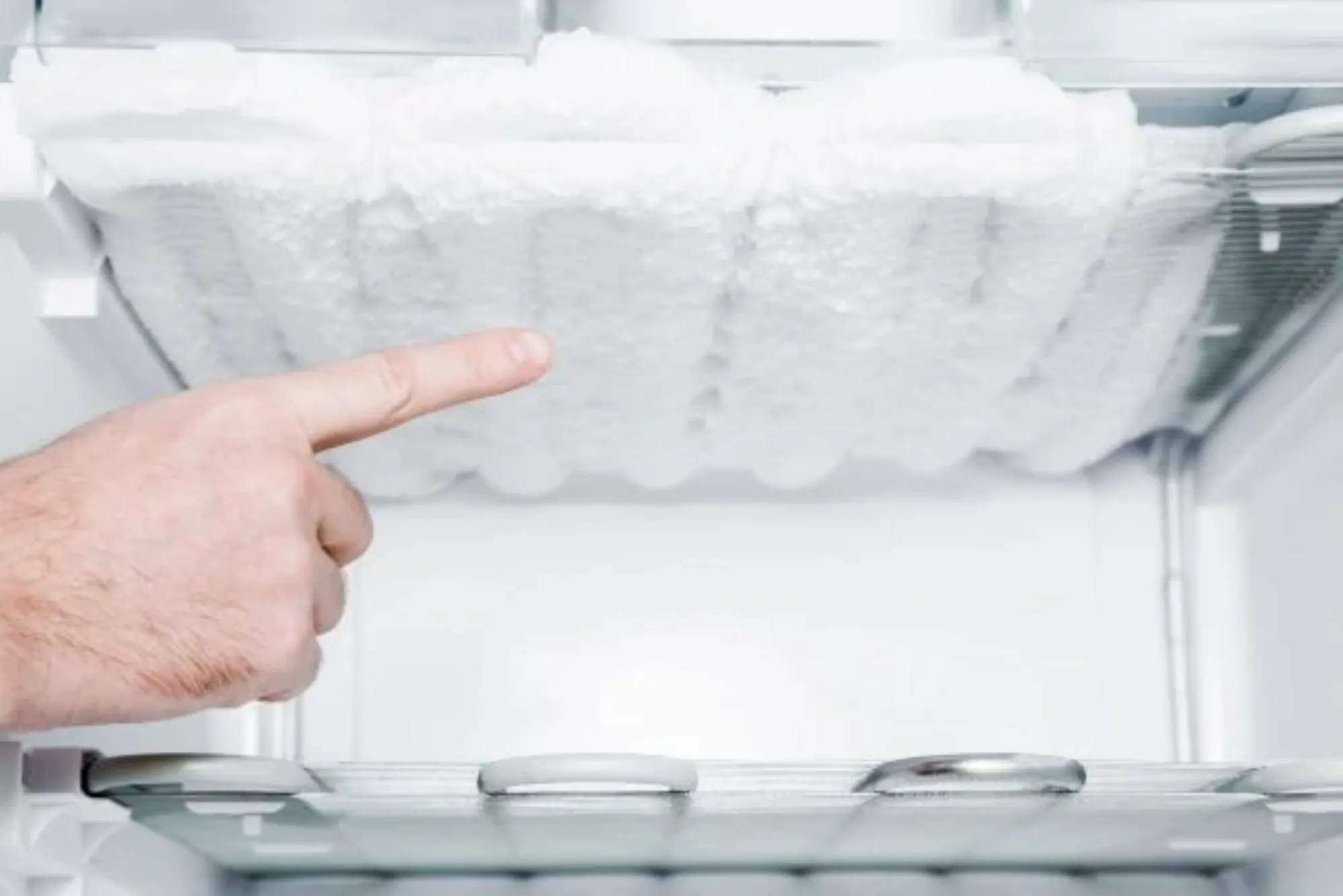
When a refrigerator fails to defrost automatically, it often gives clear warning signs. One of the earliest signs is the presence of frost or ice buildup on the back panel of the freezer section. Another symptom is when the fridge section becomes warmer while the freezer remains very cold. This happens because frost-covered coils restrict airflow to the fridge compartment.
Unusual noises can also occur as fans struggle to push air through frozen passages. In some cases, puddles of water may appear under the fridge due to temporary melting that fails to drain correctly. The compressor might also run continuously as it tries to compensate for lost cooling efficiency. These signs indicate that the automatic defrost system requires attention.
Why Professional Diagnosis is Necessary
Although homeowners can perform basic maintenance such as cleaning the drainage outlet or checking for visible ice buildup, diagnosing a defrost problem accurately requires technical expertise. The defrost components are located behind panels and connected to electrical circuits. Testing them requires specialized tools like multimeters to measure resistance and continuity. Attempting to repair or replace these parts without training can be risky and may lead to further damage or electrical hazards.
Professional technicians are trained to identify which component has failed and why. They can inspect the wiring, control board, sensors, and heater elements safely. In many cases, a malfunctioning part can be replaced quickly, restoring the defrost system to normal operation. Relying on experienced repair specialists ensures the refrigerator is repaired correctly and remains safe to use.
The Importance of Timely Repair
Ignoring defrosting issues can cause long-term damage to your refrigerator. Continuous frost accumulation forces the compressor and fans to work harder, consuming more electricity and increasing your energy bills. Over time, this extra workload shortens the lifespan of the appliance. Furthermore, uneven cooling can lead to food spoilage and waste.
Timely repair prevents these issues and helps maintain optimal performance. It also ensures that the refrigerator continues to operate efficiently, saving energy and reducing maintenance costs. Regular inspections by professionals can detect potential failures before they disrupt the defrost cycle completely.
Preventing Defrost Problems in the Future
While some causes of defrost failure are technical, proper usage and maintenance can help reduce their occurrence. Ensuring that the fridge door seals tightly prevents warm, moist air from entering. Avoiding overloading the freezer compartment allows air to circulate properly, reducing frost buildup. Cleaning the drain hole periodically ensures melted water can flow away freely during the defrost cycle.
Maintaining a stable indoor temperature also helps, as extreme conditions can interfere with thermostat readings and cooling performance. Scheduling professional maintenance at least once a year keeps the defrost system in check. Technicians can clean internal components, check electrical parts, and ensure that sensors are working accurately.
The Role of Technology in Modern Refrigerators
Modern refrigerators feature advanced sensors and control systems that make defrosting more efficient and automatic. Instead of relying on a mechanical timer, many new models use adaptive defrost control, which activates the heater only when necessary. This not only saves energy but also prevents excessive heating that can affect cooling efficiency.
However, with these technological advancements come more complex repair needs. When adaptive systems fail, they require skilled technicians who understand electronic control boards and circuit diagnostics. As refrigerators evolve, professional expertise becomes even more essential for maintaining reliability.
Safety Concerns When Handling Defrost Issues
Working with electrical and gas-powered appliances always carries risk. Attempting to repair defrost systems without the proper tools and knowledge can result in electric shock, short circuits, or fire hazards. In addition, using sharp tools to remove ice manually can puncture the evaporator coils, leading to refrigerant leaks that are costly to fix.
For these reasons, it is strongly recommended to have qualified technicians handle defrosting failures. They use safe methods to melt accumulated ice, test components, and restore normal operation without damaging delicate parts. Prioritizing safety not only protects your appliance but also ensures the well-being of your household.
Conclusion
A refrigerator that fails to defrost automatically is more than just an inconvenience; it is a warning sign that something is wrong within the cooling system. The defrost process is essential for maintaining consistent temperature and efficient operation. When it fails, performance declines, and the risk of long-term damage increases.
Understanding how the system works, recognizing early signs of trouble, and seeking professional help are the best steps toward resolving the problem. Regular maintenance, careful use, and timely repair ensure your refrigerator continues to operate efficiently. Automatic defrost systems are designed to simplify life, but like any complex technology, they require attention and proper care to function as intended.