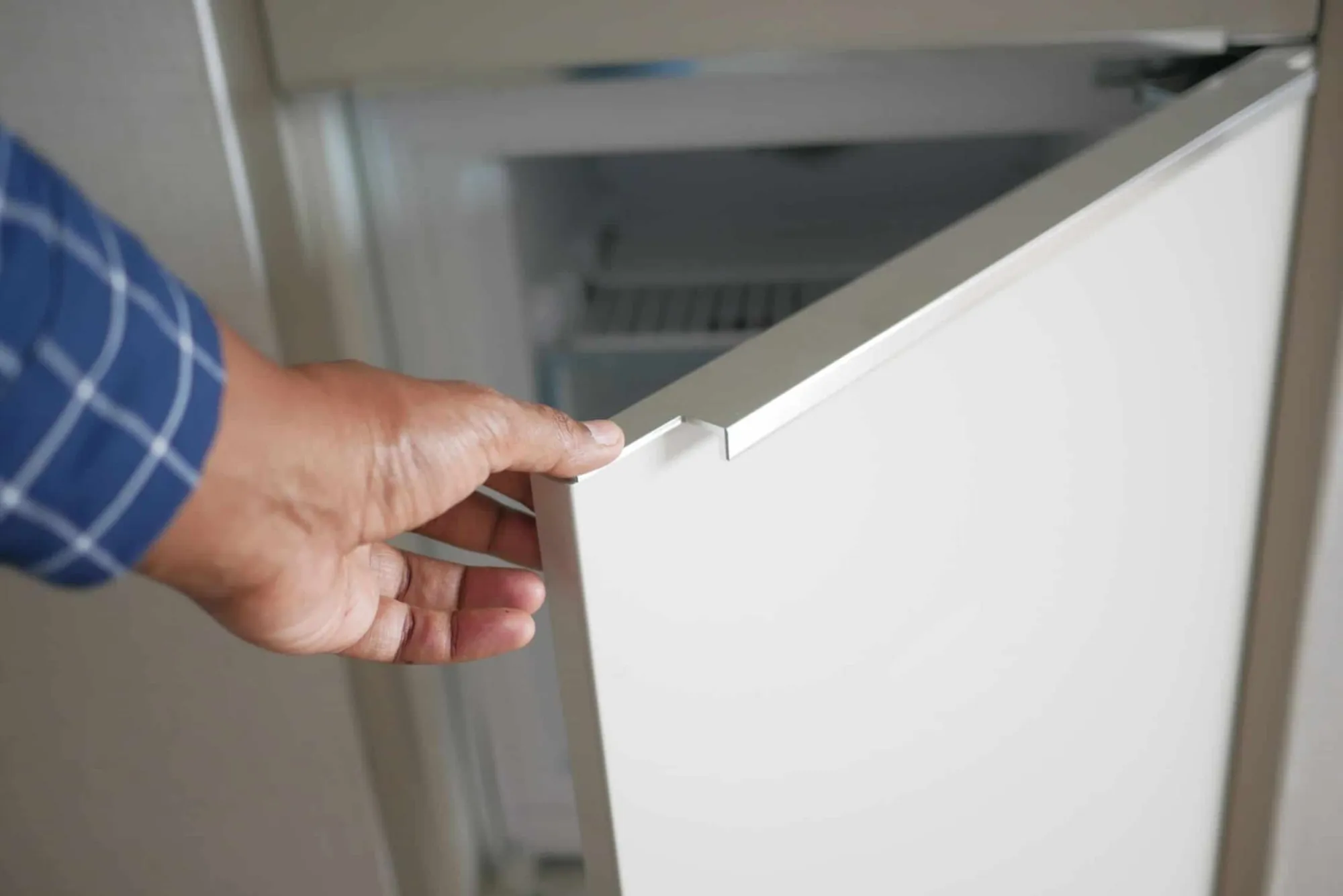
A refrigerator is an essential home appliance that ensures food stays fresh, safe, and preserved for longer periods. However, one of the most common issues homeowners face is when the fridge door is not closing properly. This simple-looking problem can lead to major consequences such as inefficient cooling, food spoilage, high electricity bills, and even long-term damage to the refrigerator’s internal components. Understanding why this happens and how to resolve it professionally is vital for maintaining the appliance’s efficiency and longevity.
When the fridge door fails to close tightly, it disrupts the balance of internal temperature. The compressor is forced to work harder to compensate for the escaping cold air, which not only increases energy consumption but also shortens the life of the compressor. Many people ignore this problem, assuming it is minor, but in reality, it can turn into a serious issue if left unattended.
Understanding the Problem
The refrigerator door is designed to create an airtight seal when closed. This seal maintains the cool air inside and prevents warm air from entering. When the fridge door is not closing properly, the airtight seal is compromised. This can be caused by multiple factors such as a damaged gasket, improper leveling, misaligned hinges, or even overloaded shelves. Once this seal is broken, the fridge struggles to maintain its internal temperature, leading to inconsistent cooling.
In most cases, people first notice that the fridge light remains on even after closing the door, or that items near the door begin to feel warmer than usual. Condensation may form around the edges, or frost may start building up inside due to moisture entering the refrigerator. These are early warning signs that the door is not closing as it should.
Causes of a Fridge Door Not Closing Properly
There are many possible reasons why a fridge door may fail to close completely. One of the most common causes is a dirty or damaged gasket. The rubber gasket around the fridge door ensures an airtight seal. Over time, it can accumulate dust, dirt, or food particles, which interfere with the seal. In other cases, the gasket may crack, lose flexibility, or develop small tears, preventing the door from sealing properly.
Another frequent issue is an overloaded fridge. When food containers or bottles are placed too close to the door or shelves are arranged inefficiently, the door may not close completely. Heavy items stored in the door compartments can also cause the door to tilt slightly, creating alignment issues over time.
The positioning of the refrigerator itself can also affect door closure. If the fridge is not level on the floor, the door may swing open on its own or fail to stay closed. Uneven surfaces or improperly adjusted legs can cause the appliance to lean slightly, preventing proper sealing.
Misaligned hinges are another reason why your fridge door might not close correctly. Over time, the constant opening and closing of the door can loosen the hinge screws or cause the hinges to bend. This misalignment makes it difficult for the gasket to make full contact with the frame, leaving small gaps where cold air can escape.
Additionally, some refrigerators use magnetic strips inside the gasket to help the door close firmly. These magnets can weaken or shift position with age, reducing their ability to hold the door tightly shut. In older refrigerators, worn springs or damaged door liners can also contribute to improper closure.
How to Fix a Fridge Door That Is Not Closing Properly
Fixing a refrigerator door that is not closing properly starts with careful inspection and diagnosis. Begin by checking the gasket. If it is dirty, clean it thoroughly using warm, soapy water and a soft cloth. Ensure there is no grease or debris left that could affect the seal. Once cleaned, check whether the gasket is still flexible. A hardened or cracked gasket will need to be replaced with a new one.
After cleaning, observe the placement of food and containers inside the refrigerator. Rearrange items to ensure that nothing is blocking the door. Avoid placing large bottles, jars, or containers near the door hinges or edges, as they can obstruct proper closure. Maintaining a neat and balanced arrangement inside the fridge helps the door close smoothly.
Next, check if the refrigerator is standing level. Use a small leveling tool or even a glass of water on the top surface to see if the fridge is balanced. If not, adjust the front legs or wheels until the appliance sits evenly. A slightly tilted refrigerator can easily cause the door to swing open or not close completely.
Inspect the hinges carefully to make sure they are tight and aligned. If you notice that the door sags or seems uneven, tighten the hinge screws gently. In cases where the hinge has become bent or rusty, it is better to replace it altogether. Properly aligned hinges ensure that the door meets the frame evenly and forms a tight seal.
If the magnetic strip inside the gasket has weakened, replacing the gasket is usually the best option. Replacement gaskets are available for most refrigerator models, and installing a new one can restore the original airtight seal. To test the effectiveness of the seal, close the door on a piece of paper or a thin card and try to pull it out. If it slides out easily, the seal is still weak and needs replacement.
In some situations, the problem might be related to the refrigerator door’s automatic closing mechanism or springs. A professional technician can inspect these parts and adjust or replace them as needed. Trying to repair mechanical components without experience can cause further damage, so expert help is recommended for complex cases.
Importance of Professional Repair
While basic cleaning and adjustments can solve minor issues, some problems require professional attention. When the fridge door is not closing properly due to damaged hinges, broken seals, or structural issues, a qualified appliance repair technician can provide a long-lasting solution. Professionals have specialized tools to measure door alignment accurately and ensure the replacement gasket fits perfectly.
A technician can also identify deeper issues such as door warping, damaged liners, or weakened magnetic seals that are not visible to the untrained eye. Timely repair not only restores efficiency but also helps prevent future breakdowns. Moreover, professional servicing can improve the energy efficiency of your refrigerator, reducing electricity bills and extending the overall lifespan of the appliance.
Why Fixing the Issue Immediately Is Crucial
Ignoring a fridge door that is not closing properly can have serious consequences. When cold air escapes from the fridge, the compressor is forced to run continuously to maintain the desired temperature. This increases electricity consumption and puts unnecessary stress on the compressor. Over time, this constant strain can cause overheating and eventual failure, leading to expensive repairs or even complete replacement.
Food spoilage is another major concern. A refrigerator that cannot maintain consistent cooling allows bacteria to multiply quickly, which affects food safety and freshness. Moisture can accumulate inside, causing frost buildup and unpleasant odors. The overall performance of the refrigerator deteriorates, and it may take longer to cool food properly.
By addressing the issue promptly, you can avoid unnecessary energy waste, protect your stored food, and ensure that your refrigerator continues operating efficiently.
Preventive Maintenance Tips
Once you have fixed the problem, adopting preventive measures will help keep your refrigerator in excellent condition. Regularly cleaning the gasket with mild soap and water prevents dirt buildup. Avoid slamming the door or overloading it with heavy items. Make sure the fridge remains level on the floor, and periodically check the hinges and screws for any loosening.
It is also beneficial to schedule a professional inspection at least once a year. Technicians can examine the condition of the door seal, test the magnetic strength, and ensure all mechanical parts are functioning smoothly. Preventive maintenance minimizes the risk of future problems and keeps your appliance energy-efficient.
When Replacement Becomes Necessary
If your refrigerator is older than ten years and the door issue persists even after repairs, replacement may be the best option. Constant gasket replacements or repeated hinge adjustments indicate that the door or the appliance itself may be nearing the end of its lifespan. Newer refrigerator models are more energy-efficient and come equipped with advanced sealing technology that prevents such issues from recurring.
Consult a professional before deciding whether to replace the door or purchase a new refrigerator. They can evaluate the condition of the existing appliance and recommend the most cost-effective solution.
A fridge door not closing properly is more than just a small inconvenience; it is a sign of underlying mechanical or alignment issues that require prompt attention. From worn-out gaskets and loose hinges to uneven flooring and overstuffed shelves, several factors can contribute to this problem. By understanding these causes and addressing them immediately, you can restore your refrigerator’s efficiency and prevent further damage.