An electric oven is a modern kitchen essential, built for reliability and convenience. Yet, when it suddenly refuses to turn on, it can disrupt your entire cooking routine. Whether you rely on it for daily family meals or occasional baking, an oven that fails to power up can be frustrating. Understanding what causes this issue and how to address it safely is key to restoring normal operation.
Troubleshooting an electric oven requires a combination of technical awareness and safety precautions. While some causes are simple, others involve complex electrical components that demand professional attention. This article explains the common reasons why an electric oven may not turn on, how to approach the problem logically, and why professional diagnosis often offers the most reliable solution.
Understanding How Electric Ovens Operate
Before identifying the cause of failure, it helps to understand how an electric oven functions. Electric ovens work through a circuit that delivers consistent power to heating elements, thermostats, control boards, and safety mechanisms. When you select a temperature or cooking mode, the control system activates the relevant heating elements to generate heat.
If any component in this system fails — whether it’s a loose wire, a tripped breaker, or a damaged control board — the oven may stop responding entirely. Because the electrical flow is so integral to its operation, even a small disruption can prevent the oven from turning on.
Power Supply Problems and Safety Considerations
The first potential cause of an unresponsive oven is often related to power supply. Unlike smaller kitchen appliances, electric ovens draw a significant amount of electricity. A tripped circuit breaker or blown fuse can interrupt the power flow completely. This can occur after a power surge, or if other high-power devices are operating on the same circuit.
If you notice that the oven shows no lights, sound, or heat, it’s important to check for signs of electrical failure. However, homeowners should never attempt to dismantle power connections on their own. Electricity poses serious hazards when mishandled. The safest option is always to disconnect the appliance from power and consult a qualified technician for further diagnosis.

The Role of Internal Components
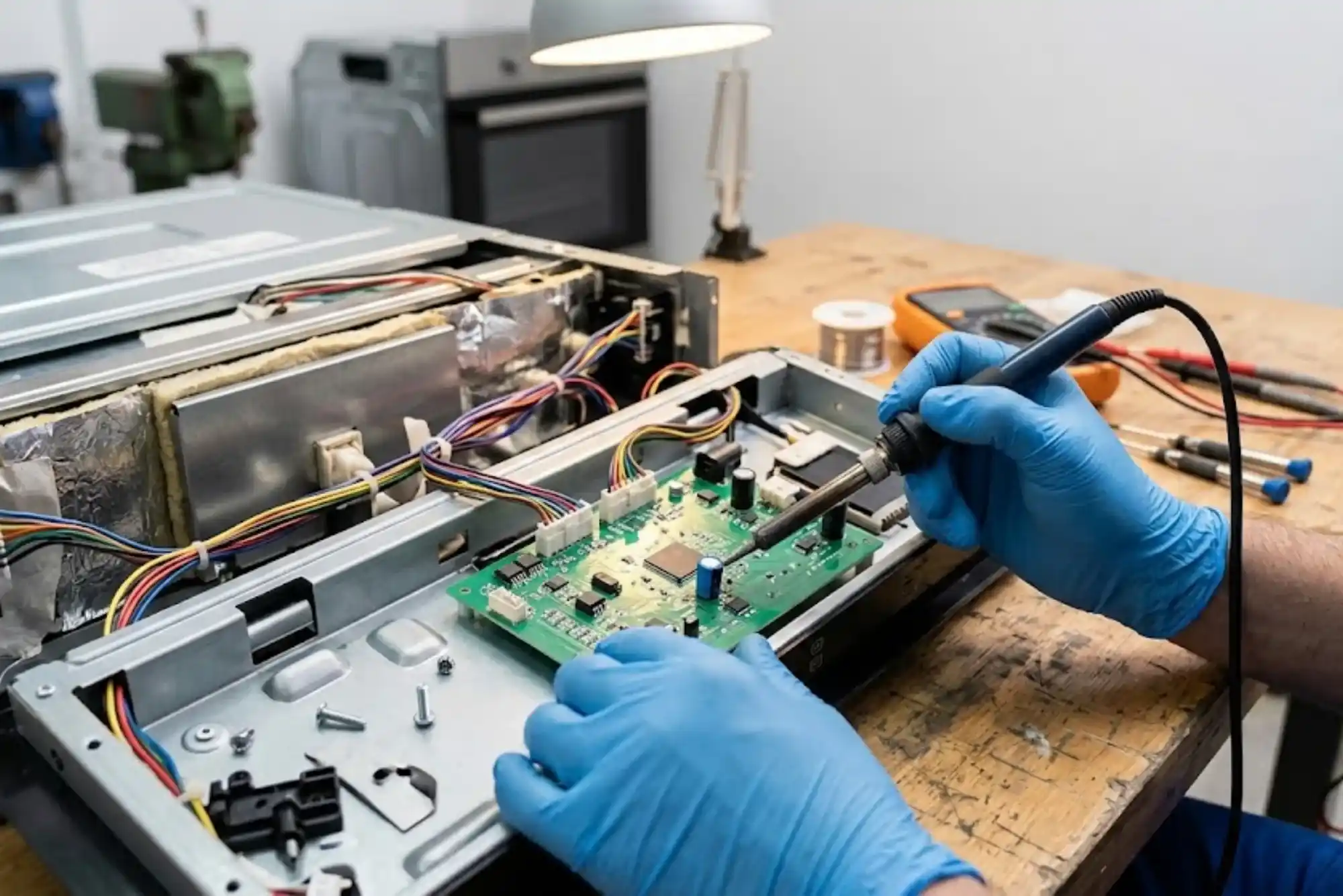
An electric oven depends on several internal components that work in harmony. The control board acts as the appliance’s brain, sending commands to heating elements and regulating temperature. If this board becomes damaged due to voltage spikes or age, it may fail to send signals entirely. In such cases, the oven will remain off despite appearing properly connected.
The thermal fuse is another critical safety component. Its job is to cut off power if the oven overheats, preventing fire hazards. Once this fuse blows, the oven won’t turn on until it’s replaced. Similarly, malfunctioning temperature sensors, timers, or selector switches can disrupt the electrical circuit. Identifying which of these components has failed typically requires specialized tools and experience.
When the Control Panel Becomes Unresponsive
Many modern ovens feature digital displays and electronic control panels. If the oven won’t turn on, the issue could lie within this panel. Sometimes, the display may flash error codes or fail to light up at all. Moisture, power fluctuations, or internal wiring faults can damage these panels over time.
In some cases, a reset might temporarily restore functionality. However, if the panel repeatedly fails, replacement may be necessary. Because these panels are sensitive and costly, accurate diagnosis by a trained technician is essential to avoid unnecessary part replacements.
Heating Elements and Their Connection to Power
Even when the oven appears completely inactive, a faulty heating element can sometimes be the underlying reason. Heating elements wear out gradually through regular use, exposure to high temperatures, and residue buildup. Once an element burns out, it may short the circuit or prevent proper electrical flow, resulting in a complete shutdown.
Technicians typically inspect both the bake and broil elements to ensure they are intact. Visible signs of damage — such as dark spots, cracks, or breaks — indicate replacement is required. However, since handling these parts involves direct electrical connections, it’s best to have the repair handled by a professional who specializes in electric oven servicing.
Importance of Professional Troubleshooting
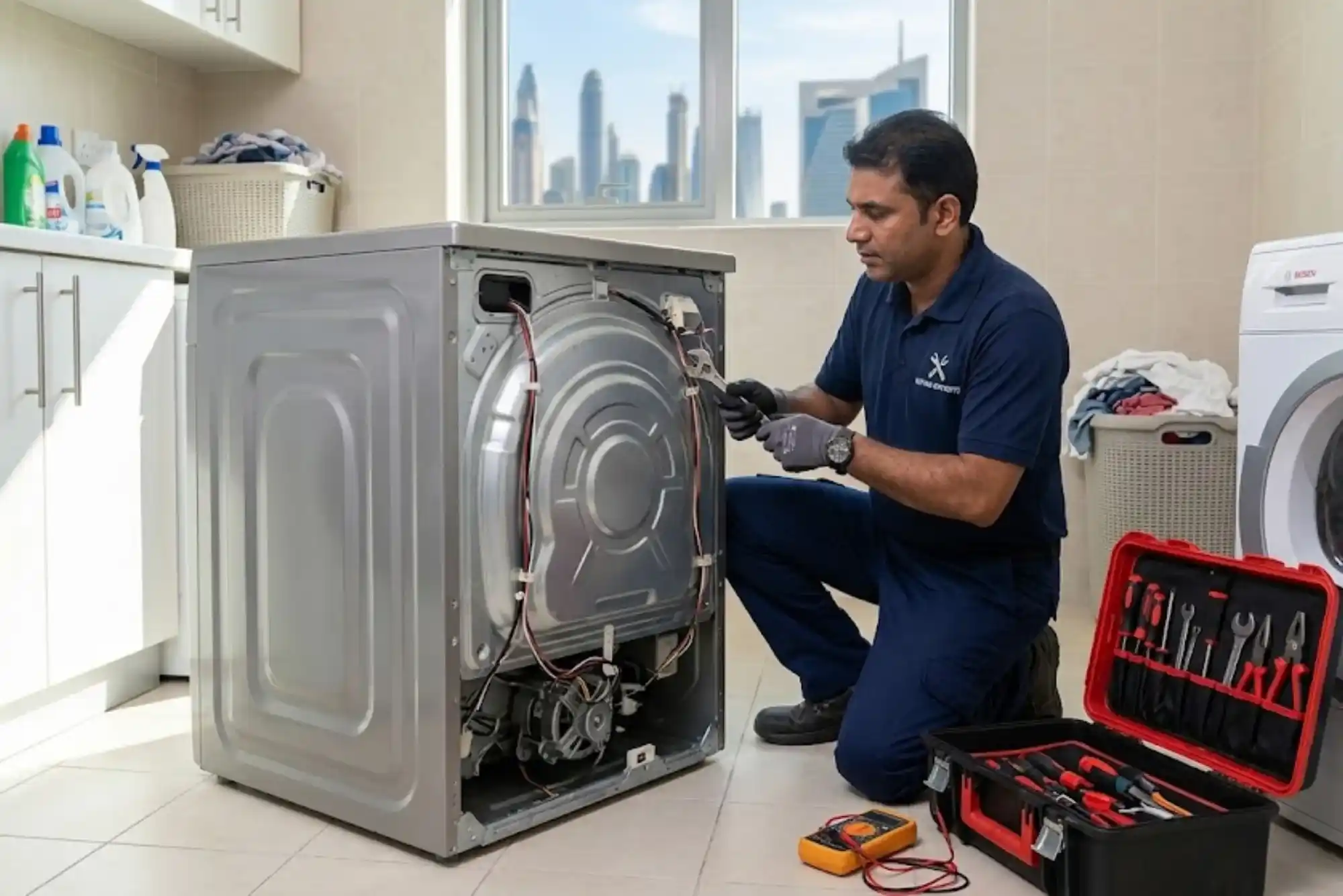
While it might be tempting to attempt DIY fixes, electric ovens are complex systems with high-voltage components. Without technical knowledge, it’s easy to cause further damage or create safety hazards. Professional repair services bring expertise, diagnostic tools, and safety protocols that ensure the issue is resolved properly.
Technicians can perform continuity tests, measure electrical resistance, and pinpoint the exact cause of the failure. This level of precision saves time and ensures that no component is overlooked. Moreover, professional servicing often includes preventive checks to identify potential problems before they disrupt the oven again.
Preventing Future Power Failures
Once the oven is repaired and operational, maintaining it properly is essential. Regular inspections, keeping ventilation clear, and avoiding overuse after repairs can all help extend the lifespan of the appliance. Voltage stabilizers can also be useful in protecting electronic ovens from Dubai’s occasional power surges.
It’s also advisable to schedule periodic maintenance with experienced repair companies. Professional services ensure that wiring, sensors, and heating components remain in optimal condition, reducing the risk of unexpected shutdowns.
When It’s Time to Replace the Oven
In some cases, repeated power failures or extensive damage may indicate that the oven is nearing the end of its lifespan. Modern electric ovens are built to last, but years of exposure to heat and electrical stress eventually take their toll. If major components like the control board or main wiring harness fail, replacement may be more cost-effective than continued repairs.
Technicians can help evaluate the condition of the oven and provide honest recommendations. Whether it’s repair or replacement, making an informed decision ensures safety, reliability, and energy efficiency in your kitchen.
Restoring Confidence in Your Oven
An electric oven that won’t turn on can interrupt your daily life, but it’s a problem that can be solved with the right approach. Troubleshooting should always begin with safety and accurate assessment. While power issues, control failures, and component breakdowns are common, resolving them properly requires professional attention.
By understanding how the oven’s systems work and recognizing the signs of trouble early, homeowners can avoid unnecessary downtime and costly replacements. With proper care and timely expert repair, your electric oven will continue to serve as a dependable part of your home for many years to come.