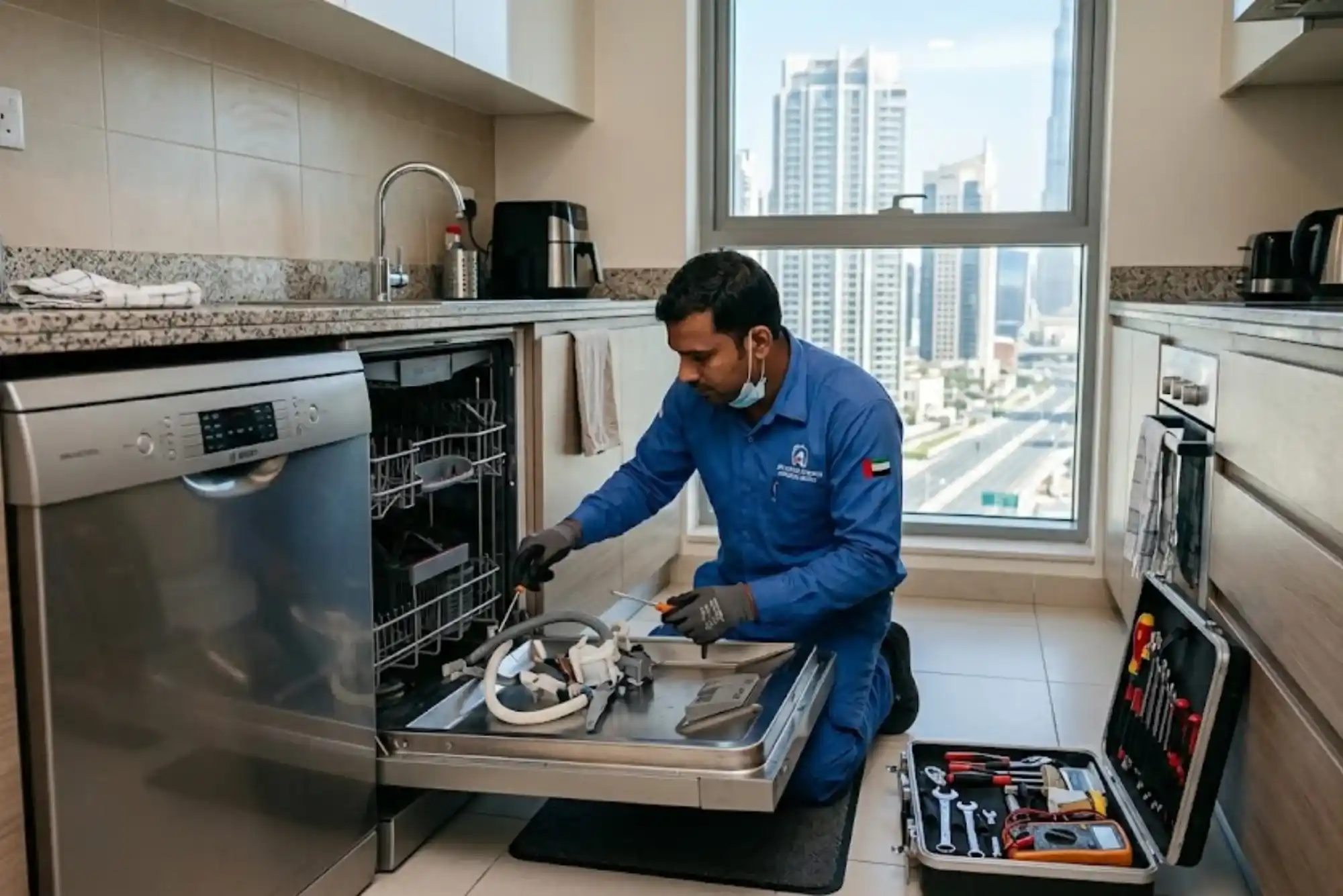
A dishwasher is designed to simplify kitchen work by cleaning dishes quickly and efficiently. However, when the appliance fails to drain properly, it can become frustrating and inconvenient. Standing water at the bottom of the dishwasher is one of the most common problems faced by homeowners. The dishwasher not draining repair process requires understanding the possible causes, identifying the source of the issue, and applying the correct solution. When drainage problems occur, the appliance cannot complete its cleaning cycle properly, leaving dishes dirty and potentially causing unpleasant odors inside the machine.
Many homeowners initially assume that a drainage problem means the dishwasher is completely broken, but this is not always the case. In many situations, the issue is caused by simple blockages or minor mechanical faults that can be repaired quickly. Understanding how the dishwasher drainage system works helps in identifying the root cause of the issue and ensures that repairs are handled correctly. Proper maintenance and timely dishwasher not draining repair can restore the appliance’s performance and prevent more serious damage.
How the Dishwasher Drainage System Works
The drainage system in a dishwasher plays an essential role in removing dirty water after each wash cycle. During the washing process, water is pumped through spray arms that distribute it across dishes to remove food residue and grease. Once the cleaning stage is complete, the dishwasher pump pushes the used water out through a drain hose that connects to the kitchen sink plumbing or garbage disposal system.
If any part of this drainage system becomes blocked or damaged, water will remain inside the dishwasher. The pump may attempt to remove the water but fail if there is a clog or mechanical issue. In such cases, dishwasher not draining repair becomes necessary to restore the proper flow of water. By understanding the structure of the drainage system, technicians and homeowners can determine whether the problem lies in the pump, hose, filter, or plumbing connection.
Common Causes of Dishwasher Drainage Issues
Several factors can cause a dishwasher to stop draining properly. One of the most common causes is a clogged filter. Over time, food particles, grease, and debris can accumulate in the dishwasher filter, preventing water from passing through efficiently. When this happens, the appliance struggles to remove water from the basin.
Another frequent cause is a blocked drain hose. The hose carries water from the dishwasher to the household plumbing system. If the hose becomes bent, clogged, or damaged, water will not flow freely. Dishwasher not draining repair often involves cleaning or replacing this hose to restore proper drainage.

A faulty drain pump can also lead to drainage problems. The pump is responsible for pushing water out of the appliance during the drain cycle. If the pump motor fails or becomes obstructed by debris, water will remain inside the dishwasher even after the cycle ends.
Signs That Your Dishwasher Needs Repair
Recognizing early warning signs can help homeowners address drainage problems before they worsen. The most obvious sign is standing water at the bottom of the dishwasher after a cycle. This indicates that the appliance was unable to remove water properly during the drain stage.
Another sign is unusual noises during the drain cycle. If the pump is struggling to push water out due to a blockage or mechanical issue, it may produce grinding or humming sounds. In some cases, dishes may remain dirty because the appliance cannot complete its rinse and drain process effectively.
Bad odors can also indicate a drainage problem. When water and food residue remain trapped inside the dishwasher, they can create unpleasant smells that spread through the kitchen. Performing dishwasher not draining repair quickly helps eliminate these odors and restore a clean washing environment.
The Importance of Timely Dishwasher Repair
Ignoring drainage issues can lead to more serious problems over time. Standing water inside the dishwasher creates an environment where bacteria and mold can grow. This not only affects the cleanliness of dishes but also poses potential health risks.
Additionally, prolonged drainage problems can damage other components of the appliance. For example, the motor and pump may experience increased strain when trying to operate under blocked conditions. Over time, this can lead to expensive repairs or even the need for complete appliance replacement.
Timely dishwasher not draining repair ensures that the appliance continues to operate efficiently. By addressing small issues early, homeowners can prevent major breakdowns and extend the lifespan of their dishwasher.
Professional Diagnosis and Repair Process
When a dishwasher fails to drain, professional technicians follow a systematic process to identify the problem. The first step is inspecting the filter and drain area to check for visible blockages. Technicians remove accumulated debris and ensure that the filter is clean and properly installed.
Next, the drain hose is examined to determine whether it is clogged, bent, or disconnected. If necessary, the hose is cleaned or replaced to restore normal water flow. Technicians also test the drain pump to ensure it is functioning correctly and that its impeller is not obstructed.
Electrical connections and control systems are also checked during the dishwasher not draining repair process. Modern dishwashers rely on electronic controls to manage washing and draining cycles. If the control system fails to activate the drain pump, repairs may involve fixing wiring or replacing faulty components.
Preventive Maintenance to Avoid Drainage Problems
Preventive maintenance plays a key role in keeping a dishwasher functioning properly. Regularly cleaning the filter is one of the most effective ways to prevent drainage issues. Removing food particles and debris ensures that water flows smoothly through the drainage system.
Rinsing dishes before placing them in the dishwasher can also reduce the risk of clogs. Large food scraps should be removed to prevent them from entering the filter and drain pump. Additionally, running a dishwasher cleaning cycle periodically helps remove grease and detergent buildup inside the appliance.
Checking the drain hose occasionally is another useful maintenance step. Ensuring that the hose is not bent or blocked helps maintain proper water flow. By following these simple practices, homeowners can reduce the need for dishwasher not draining repair and keep their appliance running efficiently.
Benefits of Professional Dishwasher Repair Services
While some minor issues can be resolved through basic maintenance, many drainage problems require professional expertise. Trained technicians have the tools and knowledge needed to diagnose complex mechanical and electrical faults accurately. They can identify hidden issues that may not be visible to the average homeowner.
Professional dishwasher not draining repair also ensures that replacement parts are installed correctly. Using the wrong components or performing improper repairs can lead to recurring problems. Experienced technicians follow industry standards to restore the appliance safely and effectively.
Another advantage of professional repair services is the time and convenience they provide. Instead of spending hours troubleshooting the appliance, homeowners can rely on skilled technicians to resolve the issue quickly and efficiently.
Long Term Appliance Performance and Efficiency
A properly functioning dishwasher not only saves time but also improves kitchen hygiene and efficiency. When drainage issues are resolved promptly, the appliance can complete its cleaning cycles without interruption. This ensures that dishes are washed thoroughly and dried correctly.
Efficient drainage also contributes to energy savings. A dishwasher that operates under normal conditions consumes less electricity and water compared to one struggling with blockages or pump issues. Over time, proper maintenance and timely dishwasher not draining repair help reduce household utility costs.
Maintaining the appliance also protects other kitchen components. Water leaks or overflow caused by drainage failures can damage cabinets and flooring. Ensuring that the dishwasher drains properly prevents such issues and keeps the kitchen environment safe.
Dishwasher drainage problems are common but manageable when addressed promptly and correctly. Understanding how the drainage system works and recognizing early warning signs can help homeowners take action before minor issues escalate. From clogged filters and blocked hoses to malfunctioning pumps, several factors can cause a dishwasher to stop draining effectively.
Related Reading: Dishwasher Repair Near Me
Related Reading: Trusted Dishwasher Repair Company — full guide
Related Reading: Dishwasher Spray Arm Repair — full guide