Compressor & Gas Leak Fridge Fix – Everything You Need to Know
The refrigerator is one of the most critical appliances in any household or commercial setting. It works silently around the clock to preserve food, reduce waste, and ensure freshness. When it fails to cool properly, it can lead to spoiled groceries, business losses, and health risks. Two of the most serious causes of refrigerator malfunction are compressor failure and gas leakage. These issues are complex, technical, and often require urgent professional attention.Understanding the role of the compressor and the importance of refrigerant gas is essential to grasp why such faults occur, how they can be detected, and what solutions are available to fix them. This article offers an in-depth overview of both compressor problems and gas leaks in fridges, their impact, causes, and what a professional fix typically involves.
The Importance of the Compressor in Your Refrigerator
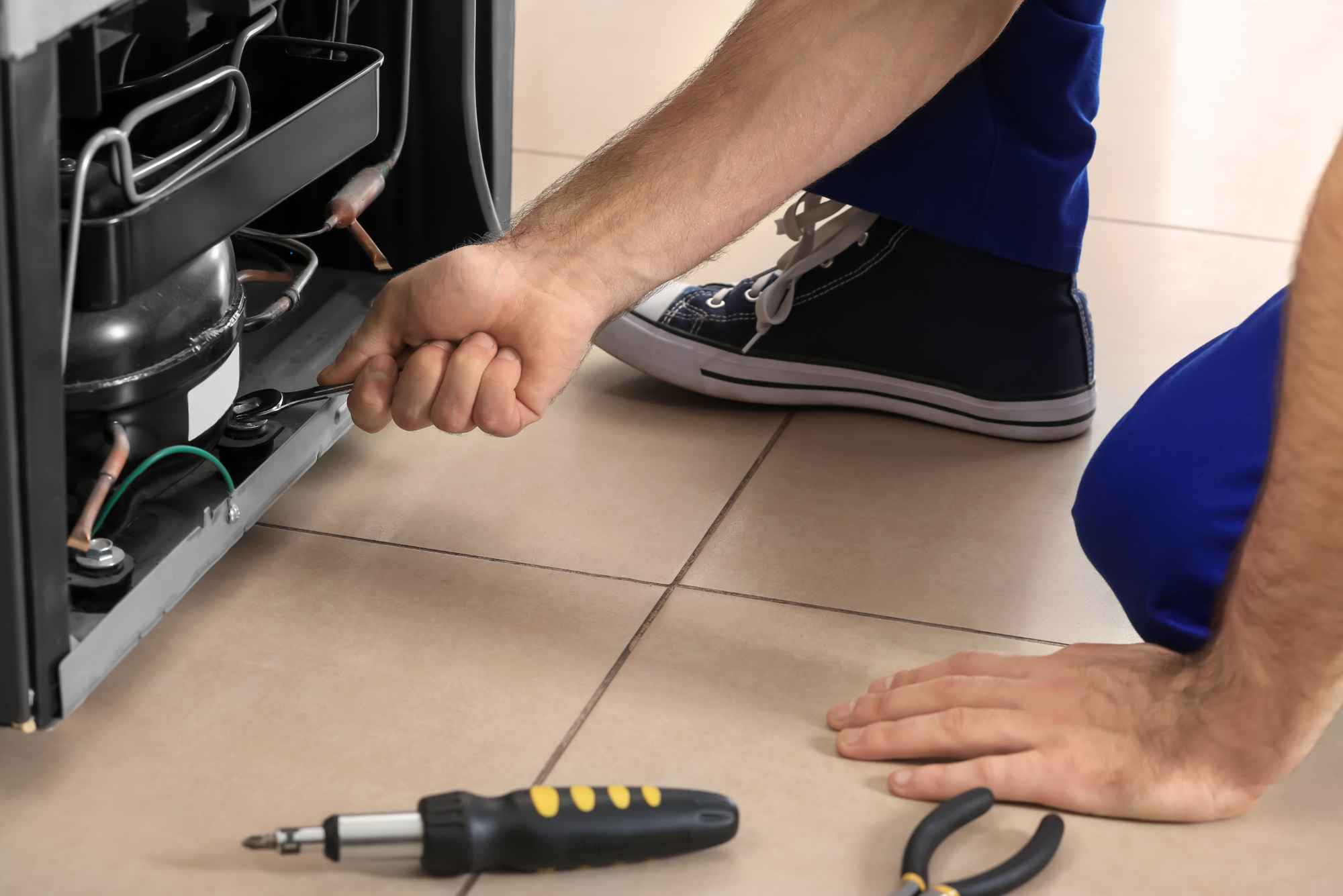
The compressor is often referred to as the “heart” of the refrigerator. It plays a central role in the refrigeration cycle by compressing the refrigerant gas and pushing it through the system. This cycle allows the refrigerant to absorb heat from inside the fridge and release it externally, thereby maintaining the cool temperature inside.If the compressor becomes faulty, the entire cooling process is disrupted. Your fridge may stop cooling entirely or work inefficiently. Compressor issues are not only critical but can also be expensive if not addressed promptly. Depending on the condition and age of the fridge, the technician may recommend repairing or replacing the compressor.
What Causes Compressor Failure?
Compressor failure can result from various technical or mechanical issues. Common causes include:
Electrical Overload or Short Circuit: Electrical faults can damage internal compressor components.
Low Refrigerant Levels: If there’s a gas leak, the compressor is forced to work harder, leading to premature wear.
Dirty Condenser Coils: Dust buildup can raise pressure in the system, overheating the compressor.
Faulty Start Relay or Capacitor: These small parts help the compressor start and run. If they fail, the compressor may not function at all.
Age and Wear: Over time, internal components wear out, especially in older refrigerators.
When a compressor is damaged, it usually exhibits signs such as loud clicking sounds, frequent cycling, or complete silence while the fridge stops cooling. However, these symptoms can also overlap with gas-related problems, which is why a professional diagnosis is essential.
Understanding Fridge Gas (Refrigerant) and Why It Matters
Refrigerant gas (commonly R134a or R600a in modern fridges) is a chemical that enables the cooling process. It absorbs heat from inside the fridge and releases it outside, keeping the interior cold. This gas circulates within a sealed loop of coils and components, including the evaporator, compressor, and condenser.
A leak in this sealed system can lead to a gradual loss of cooling performance. In some cases, the fridge may still feel slightly cold but will not maintain the required temperature for safe food storage. As more gas escapes, the situation worsens until the fridge fails completely.
A refrigerant gas leak not only disrupts cooling but can also harm the environment and, in rare cases, pose health risks if leaked in large quantities in a confined space.
Causes of Refrigerant Gas Leaks in Refrigerators
Gas leaks usually originate from minor cracks or corrosion in the refrigerator’s cooling system. Common causes include:
Physical Damage: During movement or cleaning, components can be accidentally punctured or dislodged.
Corroded Pipes: Over time, moisture and air exposure can corrode copper tubes and joints.
Factory Defects: Poor soldering or weak points in manufacturing can cause premature leaks.
Vibration Stress: Long-term use leads to movement and micro-fractures in joints or connections.
In modern refrigerators, detecting a gas leak can be challenging without specialized tools. Unlike water, refrigerant gas does not leave visible traces. It doesn’t have a smell (except in certain types), and the symptoms can be mistaken for other issues like thermostat faults or blocked air vents.
Symptoms That Suggest a Compressor or Gas Leak Issue
While both issues affect cooling performance, each has distinct symptoms. These signs should prompt an inspection by a qualified technician:
Compressor-Related Signs:
Fridge not running but internal lights are on
Clicking noise coming from the back of the fridge
Overheating compressor unit
Fridge turning on and off frequently
Fridge completely dead or non-functional
Gas Leak-Related Signs:
Gradual loss of cooling over days/weeks
Freezer may work, but fridge section feels warm
Ice forming only near the evaporator or in random spots
Constant running of the compressor without reaching desired temperature
No sound of refrigerant flowing when you listen closely
It is important to note that these symptoms alone are not enough to confirm a diagnosis. A professional technician will use leak detectors, gauges, and pressure testing tools to identify the problem accurately.
The Role of Professional Technicians in Fixing the Issue
Repairing a compressor or fixing a gas leak is not a DIY job. These tasks involve handling refrigerants, electrical components, and sealed systems—each of which requires technical training, experience, and proper certification.In the case of a compressor issue, the technician will evaluate whether repair or replacement is more cost-effective. Newer fridges may justify compressor replacement, while older units might be recommended for replacement depending on overall condition and energy efficiency.
When a gas leak is detected, the repair process usually involves:
Locating the leak point using UV dye or electronic leak detectors
Sealing or replacing the damaged component (pipe or coil)
Vacuuming the system to remove moisture and air
Refilling the correct amount and type of refrigerant gas
Testing the system to ensure proper cooling and pressure levels
Only trained professionals should handle refrigerants, especially considering that incorrect handling can result in overcharging, undercharging, or contamination of the system.
The Cost Implication of Fridge Compressor or Gas Leak Repair
Costs for fridge repair can vary depending on several factors:
Type and model of the refrigerator
Age of the appliance
Availability of replacement parts
Type of refrigerant gas used
Extent of the leak or damage
In general, gas leak repairs are more affordable than full compressor replacement. However, both types of repairs can be cost-effective when compared to the price of a new fridge. A professional repair service should always provide an upfront quote, so customers can make an informed decision.
Additionally, some service providers offer warranties on both parts and labor, ensuring long-term peace of mind after the repair is completed.
Preventive Maintenance Tips to Avoid Major Breakdowns
While some compressor or gas issues are inevitable due to wear and tear, regular maintenance can extend the life of your refrigerator and reduce the risk of major faults. Preventive actions include:
Keeping the back of the fridge clean and free of dust
Ensuring proper ventilation around the appliance
Avoiding overloading the fridge with warm or uncovered food
Scheduling periodic professional check-ups, especially for older units
Regular servicing allows technicians to detect early signs of pressure drops or component wear, which helps prevent emergencies.A malfunctioning refrigerator is more than just an inconvenience—it can be a costly and frustrating experience. Compressor failures and refrigerant gas leaks are among the most serious fridge issues and often require immediate, expert intervention. Understanding the symptoms and causes helps homeowners act quickly and responsibly.By relying on professional repair services, customers can restore their refrigerator’s performance, extend its life, and avoid the cost of premature replacement. Whether it’s a domestic fridge at home or a commercial unit in a business, ensuring a reliable and efficient cooling system starts with expert care and prompt repair of critical components like compressors and refrigerant lines.