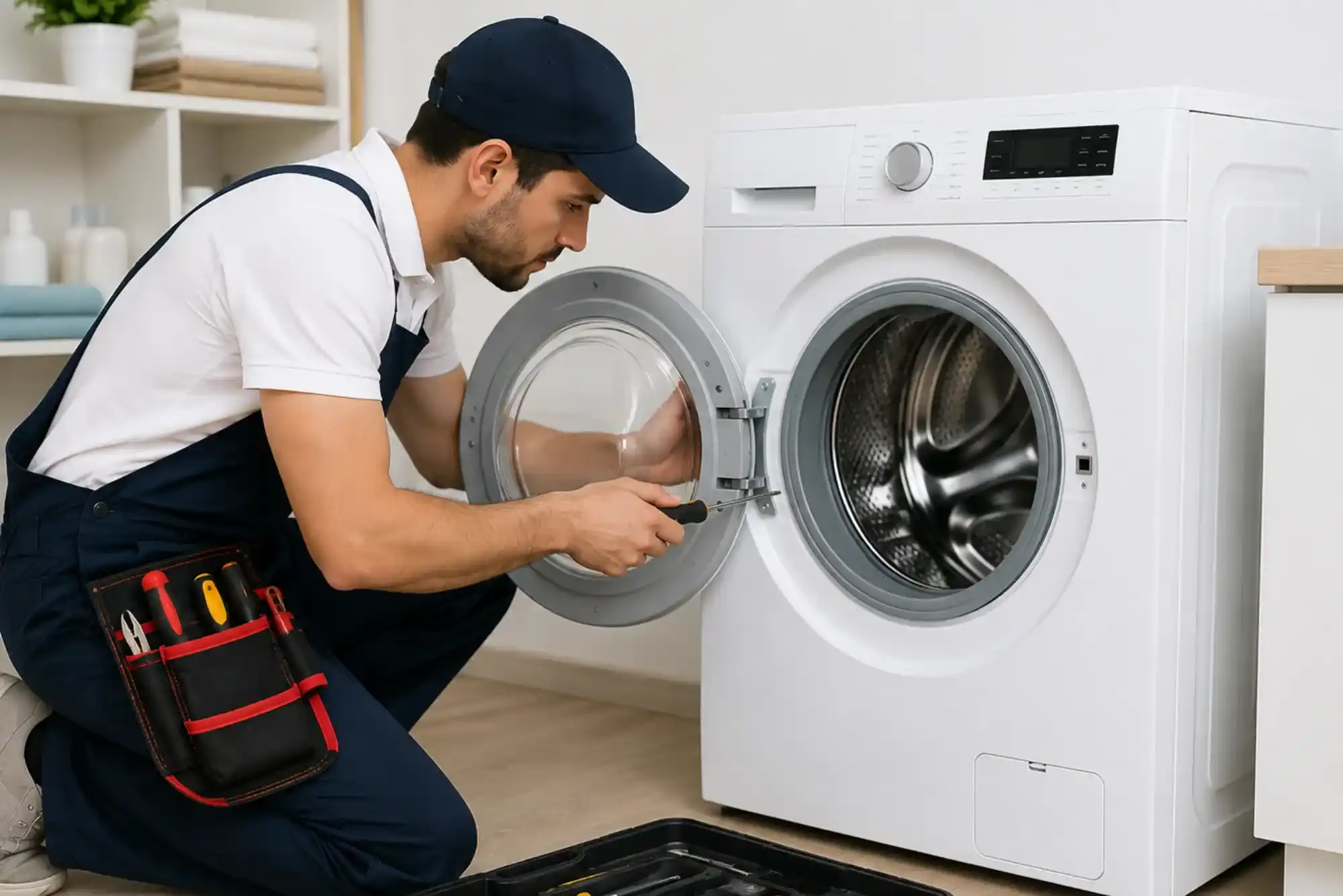
Front Load Washing Machine Repair: Common Problems and Solutions
A front load washing machine can make laundry more convenient, but like any household appliance, it can develop mechanical, electrical, drainage, or water-supply problems over time. Understanding the warning signs can help homeowners decide whether a simple maintenance step is enough or whether Front Load Washing Machine Repair is needed.
Issues such as unusual vibration, water leakage, drainage failure, poor spinning, door problems, and error codes should not always be ignored. Early attention can sometimes prevent a minor fault from developing into a more expensive repair. For homeowners looking for professional appliance assistance, Hafixer provides washing machine repair services and home appliance support.
Why Front Load Washing Machines Develop Problems
Front load washers contain several components that must work together during every cycle. The door-lock mechanism, drum, motor, pump, inlet valve, control board, suspension system, and drainage components all have specific roles. Regular use, incorrect loading, detergent buildup, worn components, and electrical faults can eventually affect performance.
One useful resource for understanding general washer faults is common washing machine problems and how to fix them. Recognising the symptoms before arranging a repair can also make it easier for a technician to identify the likely cause.
Common Front Load Washer Problems
Washing Machine Not Spinning
A front load washer that fills with water but refuses to spin may have a problem with the motor, door-lock system, drainage, drive components, or control system. An unbalanced load can also prevent the machine from entering a high-speed spin cycle.
Before assuming that a major component has failed, redistribute the clothing and check whether excess water remains inside the drum. If the problem continues, professional diagnosis is recommended rather than repeatedly restarting the machine.

Excessive Vibration and Noise
Some movement during high-speed spinning is normal, but severe shaking or loud banging can indicate an uneven installation, overloaded drum, worn shock absorbers, suspension problems, or an issue with the drum assembly.
For more information, homeowners can review this guide on washing machine overloading and vibration issues. Correct loading and proper leveling are simple steps, but persistent vibration deserves closer inspection.
Water Leaking From the Washer
Water around a front load washer should never be treated as a normal operating condition. A damaged door seal, loose hose connection, blocked drainage system, detergent drawer issue, or internal component fault can cause leakage.
Check the visible hose connections and make sure the door seal is free from clothing, debris, and heavy buildup. If water continues to escape from the door or underneath the appliance, disconnecting the machine from power and arranging an inspection is the safer approach.
When a Front Load Washer Needs Professional Repair
Not every washing machine problem requires a technician. Basic maintenance and load adjustments can resolve some operational issues. However, electrical faults, persistent drainage problems, motor-related symptoms, repeated error codes, burning smells, or internal leaks require greater caution.
- Repeatedly fails to start or complete a cycle
- Produces unusual grinding, knocking, or electrical sounds
- Leaves water inside the drum after a cycle
- Shows recurring error codes
- Leaks despite checking the door and external hoses
- Stops spinning even with a correctly balanced load
For more serious faults, a technician can inspect the machine systematically instead of replacing parts based only on symptoms. This approach can reduce unnecessary repairs and help identify the actual source of the problem.
Front Load Washer Repair vs Basic Troubleshooting
| Problem | Possible Simple Cause | When Professional Repair May Be Needed |
|---|---|---|
| Won’t spin | Unbalanced load or drainage issue | Motor, control, or drive fault |
| Excessive vibration | Uneven load or machine leveling | Suspension or drum-related problem |
| Water leakage | Loose hose or blocked seal area | Damaged seal or internal leak |
| Won’t start | Door not properly closed | Door lock, wiring, or control fault |
Taking the right first step can prevent unnecessary disruption to your laundry routine while also helping protect the appliance from further damage.
How to Approach Front Load Washing Machine Repair
- Note exactly when the problem occurs.
- Check the load size and basic connections.
- Look for visible leaks or unusual noises.
- Record any error code shown on the display.
- Arrange professional diagnosis if the fault continues.
Why Accurate Diagnosis Matters
Modern front load washing machines can have several symptoms that appear similar but have completely different causes. For example, a washer that does not spin could have a drainage problem rather than a failed motor. Likewise, repeated vibration may result from loading or leveling rather than a damaged drum.
This is why replacing a component without testing the system can be an inefficient approach. A professional technician can inspect relevant components, test the machine’s operation, and determine whether repair, adjustment, or replacement is appropriate.
Expert Tip: Do not continue operating a washing machine that produces a burning smell, significant electrical noise, severe leakage, or violent drum movement. Switch it off and arrange a professional inspection.
Important Maintenance Habits for Front Load Washers
Good maintenance can reduce avoidable problems and help a washer operate efficiently. Front load machines should not be treated as completely maintenance-free appliances.
- Use the detergent amount recommended for the machine and detergent type.
- Keep the door seal clean and inspect it regularly for trapped debris.
- Do not overload the drum beyond the manufacturer’s recommended capacity.
- Keep the machine properly leveled to reduce unnecessary movement.
- Inspect accessible hoses for signs of wear or deterioration.
- Clean the appropriate drain or pump filter according to the manufacturer’s instructions.
Regular attention is particularly useful when a machine is used frequently. Small maintenance issues can otherwise contribute to unpleasant odors, poor drainage, vibration, or reduced washing performance.
Choosing the Right Washing Machine Repair Service
When professional Front Load Washing Machine Repair is required, homeowners should look for a service provider that approaches diagnosis systematically. A reliable technician should be able to explain the suspected fault, identify the affected component, and discuss the repair before unnecessary work begins.
It is also useful to provide the technician with the washing machine brand, model number, error code, and a short description of the symptoms. These details can make the diagnostic process more efficient.
For additional repair information, readers can also explore professional washer diagnostics service. If the problem involves the drum or motor, washing machine drum and motor repair provides another relevant resource.
Frequently Asked Questions
How do I know if my front load washing machine needs repair?
Persistent leaks, repeated error codes, failure to spin or drain, unusual noises, electrical smells, and severe vibration are common reasons to arrange a professional inspection.
Why is my front load washer not spinning?
An unbalanced load, drainage problem, door-lock issue, motor fault, or drive-system problem can prevent spinning. Start with basic load and drainage checks, but seek professional diagnosis if the problem continues.
Can excessive vibration damage a washing machine?
Persistent severe vibration can place additional stress on internal components. Checking the machine’s leveling and load distribution is a good first step, while recurring movement should be professionally inspected.
Should I repair or replace my front load washing machine?
The right choice depends on the appliance’s age, condition, repair cost, availability of parts, and severity of the fault. A proper diagnosis can help determine whether repair is economically sensible.
Is it safe to use a leaking washing machine?
A leaking washer should not simply be left running. Water can create electrical and property risks, so the appliance should be switched off and inspected to determine the source of the leak.
Conclusion
Effective Front Load Washing Machine Repair starts with recognising symptoms and identifying their actual cause. Problems such as drainage failure, vibration, leaks, spinning issues, and repeated error codes can have several possible explanations, making accurate diagnosis important.
Simple maintenance, correct loading, and regular inspection can help prevent avoidable problems, but persistent or potentially electrical faults should be handled by a qualified professional. With timely attention and appropriate repair, a front load washer can remain a dependable part of the household laundry routine.
Related Reading: AC Blower Motor Repair
Related Reading: Washing Machine Error Codes Explained
Related Reading: How Much Does Washing Machine Repair Cost
Related Reading: How Much Does Washing Machine Repair Cost — full guide