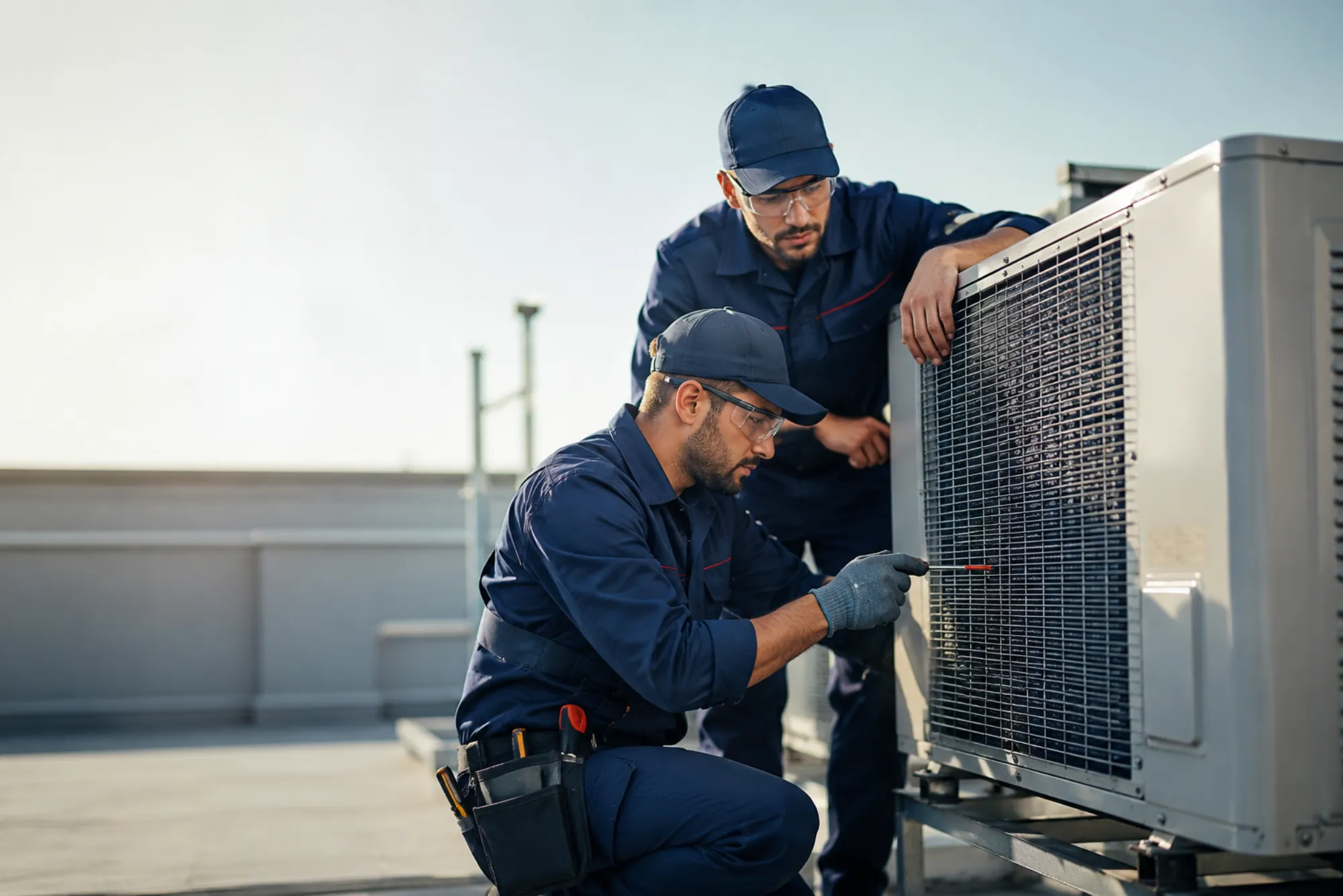
Air conditioning systems depend heavily on condenser performance to maintain consistent indoor comfort, especially in regions with prolonged heat and humidity. When the condenser unit begins to fail, cooling efficiency drops quickly, energy bills rise, and the entire HVAC system experiences unnecessary strain. AC condenser repair specialists play a critical role in diagnosing these issues early and restoring system performance before major damage occurs.
The condenser is responsible for releasing heat collected from inside the property. Any malfunction involving the condenser coils, fan motor, capacitor, refrigerant pressure, or electrical connections can reduce cooling output significantly. Professional repair specialists use advanced diagnostics to identify the root cause instead of relying on temporary fixes.
What Does an AC Condenser Do?
The outdoor condenser unit is a major component of a split air conditioning system. After heat is absorbed from indoor air through the evaporator, refrigerant carries that heat to the condenser where it is released outside. The condenser fan helps accelerate this process by pushing air through the condenser coils.
When the condenser operates correctly, the AC system cools efficiently and maintains stable temperatures. However, dirty coils, electrical faults, airflow restrictions, or refrigerant leaks can interfere with heat transfer and force the system to work harder.
Many homeowners notice warning signs too late, which is why regular inspections from experienced technicians are essential. Routine services such as condenser coil cleaning help maintain airflow and improve system longevity.
Common Signs Your AC Condenser Needs Repair
Condenser issues rarely appear without warning. Most systems show clear symptoms before complete failure occurs. Recognizing these early signs can prevent expensive repairs and system downtime.

| Warning Sign | Possible Cause |
|---|---|
| Warm air from vents | Refrigerant issue or condenser malfunction |
| Loud outdoor unit noise | Damaged fan motor or loose components |
| Frequent circuit breaker trips | Electrical overload or compressor fault |
| Weak cooling performance | Dirty condenser coils or airflow restriction |
| Outdoor unit not starting | Capacitor, contactor, or wiring problem |
| Ice buildup on AC lines | Low refrigerant or airflow imbalance |
One of the most overlooked problems is reduced airflow caused by neglected maintenance. Dirt accumulation around the condenser can trap heat and reduce efficiency over time.
Why Professional Condenser Repair Matters
Modern air conditioning systems contain sensitive electrical and refrigeration components that require proper handling. Attempting repairs without technical experience can lead to compressor damage, refrigerant leaks, or electrical hazards.
Professional AC condenser repair specialists use specialized tools to measure refrigerant pressure, electrical continuity, capacitor performance, and airflow efficiency. They also identify hidden problems that may not be obvious during a basic inspection.
Homeowners dealing with recurring cooling problems often benefit from professional diagnostics such as compressor winding testing, which helps detect compressor-related electrical failures before total breakdown occurs.
Most Common AC Condenser Problems
Dirty Condenser Coils
Condenser coils release heat from the refrigerant. Dust, sand, grease, and debris can coat the coils and block heat transfer. This forces the compressor to work harder and increases energy consumption.
Professional cleaning improves airflow and restores cooling performance. In many cases, proper maintenance prevents premature compressor failure.
Condenser Fan Motor Failure
The fan motor circulates air across the condenser coils. A damaged fan motor causes overheating and poor heat dissipation. Common symptoms include unusual noises, overheating, or the outdoor fan not spinning.
Repair specialists inspect fan blades, capacitors, bearings, and electrical connections to determine whether repair or replacement is necessary. Services related to AC condenser fan repair are particularly important during peak summer months.
Refrigerant Leaks
Low refrigerant levels reduce cooling efficiency and can eventually damage the compressor. Refrigerant leaks often occur around coils, fittings, or damaged copper lines.
Professional leak detection ensures accurate diagnosis before refrigerant is recharged. Temporary gas refilling without fixing the leak usually results in recurring cooling issues.
Additional guidance on refrigerant-related concerns can be found through resources like AC refrigerant leak repair.
Electrical Component Failure
Capacitors, contactors, relays, and wiring connections are essential for condenser operation. Voltage fluctuations, overheating, and moisture exposure can damage these components.
Electrical failures often cause intermittent operation, breaker trips, or complete system shutdown. Skilled technicians test each component carefully before replacing parts.
How AC Condenser Repair Specialists Diagnose Problems
Professional repair begins with a systematic inspection process designed to identify the exact cause of failure. Reliable technicians avoid guesswork and focus on accurate diagnostics.
- Inspect condenser coils and airflow conditions
- Measure refrigerant pressure and temperature
- Check capacitor and contactor performance
- Test fan motor operation and blade balance
- Inspect compressor amperage and winding resistance
- Verify thermostat communication and voltage supply
- Check for refrigerant leaks and pipe damage
This step-by-step approach helps avoid unnecessary replacements and ensures long-term reliability.
Repair vs Replacement: When Is Replacement Necessary?
Not every condenser problem requires full replacement. In many situations, replacing damaged components restores proper functionality at a lower cost. However, older systems with repeated compressor failures or severe coil corrosion may become uneconomical to repair.
| Condition | Recommended Action |
|---|---|
| Dirty coils or airflow blockage | Professional cleaning and maintenance |
| Faulty capacitor or contactor | Component replacement |
| Minor refrigerant leak | Leak repair and refrigerant recharge |
| Severely damaged compressor | Major repair or condenser replacement |
| Old inefficient condenser unit | System upgrade evaluation |
Repair specialists evaluate overall system condition before recommending replacement. Factors such as system age, cooling efficiency, repair history, and energy consumption are all considered.
How Preventive Maintenance Extends Condenser Life
Preventive maintenance remains one of the most effective ways to avoid expensive AC repairs. Condenser units operate under constant exposure to outdoor heat, dust, and moisture, making regular servicing essential.
Well-maintained systems typically experience:
- Improved cooling efficiency
- Lower electricity consumption
- Reduced compressor strain
- Fewer emergency breakdowns
- Longer equipment lifespan
- Better indoor comfort consistency
Seasonal maintenance often includes coil cleaning, electrical inspection, refrigerant checks, airflow optimization, and thermostat calibration.
Industry recommendations for HVAC maintenance standards can be reviewed here: [Insert relevant reference link here]
The Importance of Proper Airflow Around the Condenser
Outdoor condenser units require adequate airflow to release heat effectively. Restricted airflow can increase operating pressure and reduce cooling performance. Many cooling problems are linked to blocked ventilation areas around the condenser.
Common airflow restrictions include:
- Dust and debris accumulation
- Blocked condenser fins
- Nearby walls or storage items
- Overgrown plants surrounding the unit
- Damaged or bent coil fins
Keeping the surrounding area clean and unobstructed improves system performance significantly.
Why Condenser Repairs Should Never Be Delayed
Minor AC issues can escalate rapidly when ignored. A faulty fan motor, weak capacitor, or refrigerant leak may initially seem manageable, but continued operation under stress often damages the compressor — one of the most expensive HVAC components.
Delaying repairs may also result in:
- Higher monthly electricity bills
- Reduced indoor air comfort
- Increased emergency repair costs
- Shortened AC lifespan
- Complete system shutdown during extreme temperatures
Professional diagnostics help identify underlying issues before secondary damage occurs.
Choosing Reliable AC Condenser Repair Specialists
Not all HVAC service providers offer the same level of expertise. Choosing experienced repair specialists ensures accurate diagnostics, quality workmanship, and long-term reliability.
When evaluating AC repair professionals, consider the following:
- Experience with residential and commercial systems
- Knowledge of inverter and traditional AC units
- Availability of emergency repair support
- Transparent diagnostic process
- Use of proper testing equipment
- Familiarity with multiple AC brands
Experienced specialists also understand how condenser issues affect the broader HVAC system, including airflow balance, compressor health, and refrigerant efficiency.
Frequently Asked Questions
How long does an AC condenser usually last?
Most AC condensers last between 10 and 15 years with proper maintenance. Environmental conditions, usage patterns, and servicing frequency can affect lifespan.
Can a damaged condenser coil be repaired?
Minor coil damage and leaks can often be repaired, but severe corrosion or extensive damage may require coil or condenser replacement.
Why is my AC condenser making loud noises?
Loud noises may result from fan motor failure, loose components, compressor issues, or debris inside the unit. A professional inspection is recommended.
How often should condenser coils be cleaned?
Condenser coils should generally be inspected and cleaned at least once or twice per year, especially in dusty or high-temperature environments.
Does low refrigerant always mean there is a leak?
Yes. Air conditioning systems are sealed systems, so low refrigerant usually indicates a leak that requires professional detection and repair.
Conclusion
AC condenser repair specialists play a vital role in maintaining cooling efficiency, protecting compressor performance, and extending HVAC system lifespan. From diagnosing refrigerant leaks to repairing fan motors and restoring airflow, professional service helps prevent costly breakdowns and improves long-term reliability.
Regular maintenance, early problem detection, and expert repairs ensure that air conditioning systems continue operating efficiently even during extreme temperatures. Property owners who invest in timely condenser servicing often experience lower energy costs, fewer emergency failures, and more consistent indoor comfort throughout the year.