Refrigerators are among the most important appliances in modern homes and commercial kitchens. They work continuously to keep food fresh and maintain safe storage temperatures. Among all internal components, the compressor plays the most critical role in the cooling process. When an LG refrigerator experiences compressor issues, the entire cooling system can be affected. Understanding the nature of an LG fridge compressor problem can help homeowners identify early warning signs and seek professional fridge repair service before the issue becomes severe.
LG refrigerators are widely known for their advanced technology, energy efficiency, and innovative cooling systems. However, like any appliance that runs continuously for years, components such as compressors can develop faults over time. A malfunctioning compressor may lead to insufficient cooling, unusual noises, or complete system failure. Addressing compressor-related problems promptly can protect food storage quality and prevent more costly repairs in the future.
Understanding the Role of the Compressor in an LG Refrigerator
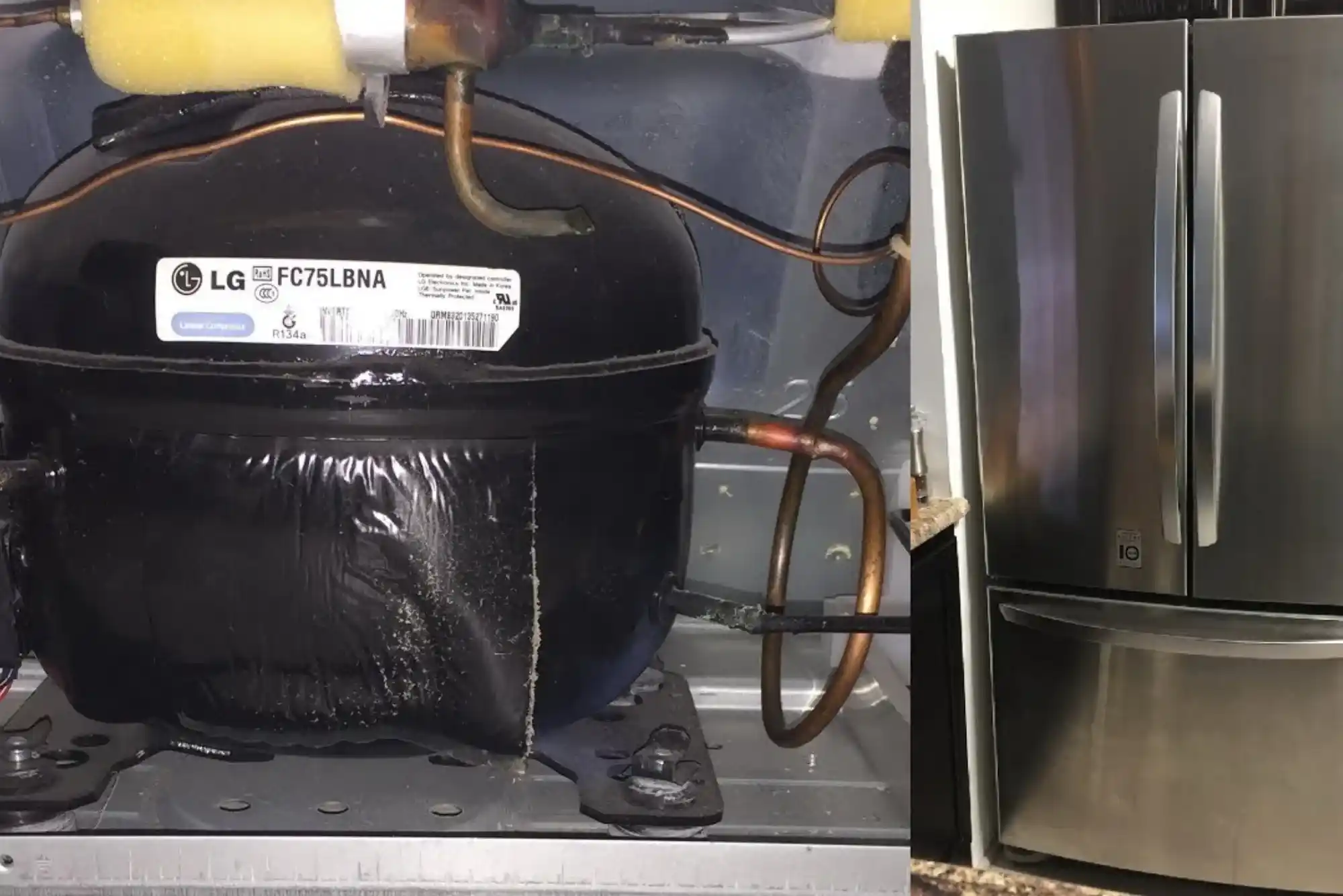
The compressor is often described as the heart of a refrigerator’s cooling system. It circulates refrigerant throughout the cooling coils and helps maintain the internal temperature required for preserving food. In an LG refrigerator, the compressor compresses the refrigerant gas and pushes it through the condenser coils where heat is released. The refrigerant then flows through the evaporator coils where it absorbs heat from inside the refrigerator compartment.
This continuous cycle ensures that the refrigerator maintains a stable temperature. If the compressor stops functioning properly, the refrigerant cannot circulate effectively, which leads to cooling failure. Because of its central role, even a minor LG fridge compressor problem can quickly disrupt the entire refrigeration process.
Common Signs of an LG Fridge Compressor Problem
Many refrigerator owners do not immediately realize that the compressor is the source of the problem. However, certain symptoms often indicate compressor-related issues. One of the most noticeable signs is insufficient cooling. When the compressor struggles to circulate refrigerant, the refrigerator compartment may become warmer than normal while the freezer fails to maintain freezing temperatures.
Another indication of a compressor issue is unusual noise coming from the back of the refrigerator. Compressors normally produce a low humming sound during operation, but loud buzzing, clicking, or knocking noises can signal internal mechanical wear or electrical faults.
Frequent cycling is another sign that the compressor may not be functioning properly. If the refrigerator repeatedly turns on and off without maintaining stable cooling, the compressor may be overheating or struggling to maintain pressure within the refrigerant system.
In some cases, the refrigerator may stop cooling entirely while the lights and other functions still work. This often indicates a serious LG fridge compressor problem that requires professional attention.
Causes Behind LG Fridge Compressor Problems
Several factors can contribute to compressor failure or reduced performance in LG refrigerators. One of the most common causes is prolonged wear and tear. Since compressors operate continuously, mechanical components inside them can gradually deteriorate over time.
Electrical issues can also cause compressor malfunction. Problems such as faulty start relays, damaged wiring, or voltage fluctuations can prevent the compressor from starting or maintaining stable operation.
Overheating is another significant cause. Compressors generate heat during operation, and if the refrigerator’s ventilation system becomes blocked or dusty, heat may accumulate around the compressor. This excess heat can damage internal components and lead to performance issues.
Refrigerant imbalance can also contribute to compressor strain. If the refrigerant level becomes too low or if leaks occur in the system, the compressor may work harder than necessary to maintain cooling. Over time, this added stress can lead to compressor failure.
Improper refrigerator placement may also contribute to compressor problems. When refrigerators are placed too close to walls or in poorly ventilated areas, heat cannot dissipate properly. This can increase compressor temperature and shorten its lifespan.
Impact of Compressor Issues on Refrigerator Performance
When an LG fridge compressor problem develops, the overall performance of the refrigerator declines. Cooling becomes inconsistent, which can affect the quality and safety of stored food. Dairy products, vegetables, and frozen items may spoil more quickly if temperatures fluctuate.
Energy consumption may also increase when the compressor struggles to maintain cooling. A malfunctioning compressor often runs longer cycles in an attempt to reach the desired temperature. This not only raises electricity costs but also increases mechanical stress on the appliance.
In severe cases, compressor failure can completely stop the refrigeration cycle. When this happens, the refrigerator becomes unable to preserve food safely, making immediate repair essential.
Importance of Professional Fridge Repair Service
Compressor problems are complex and typically require specialized tools and technical expertise to diagnose and repair. Attempting to address compressor issues without professional knowledge can lead to further damage or safety risks.
A professional fridge repair service begins with a detailed inspection of the refrigerator’s cooling system. Technicians examine electrical components, refrigerant levels, condenser coils, and compressor functionality to determine the exact cause of the problem.
If the compressor itself is damaged, a technician may recommend repair or replacement depending on the severity of the issue. Professional technicians ensure that replacement compressors are installed correctly and that the refrigerant system is properly sealed and balanced.
Professional repair services also verify that related components such as thermostats, relays, and fans are functioning correctly. Addressing these supporting components helps prevent future compressor problems and restores optimal refrigerator performance.
Preventing Future Compressor Problems
While compressor issues cannot always be avoided, certain maintenance practices can help reduce the risk of failure. Maintaining proper airflow around the refrigerator is one of the most important preventive steps. Adequate space between the appliance and surrounding walls allows heat to dissipate effectively.
Regular cleaning of condenser coils can also improve cooling efficiency and reduce compressor strain. Dust and debris can accumulate on coils over time, forcing the compressor to work harder to maintain temperature.
Stable electrical supply is another factor that supports compressor health. Voltage fluctuations can damage compressor components, so using reliable electrical connections helps protect the appliance.
Monitoring refrigerator performance is also important. If cooling performance changes or unusual sounds appear, seeking a professional fridge repair service early can prevent minor problems from becoming major mechanical failures.
When Compressor Replacement Becomes Necessary
In some cases, repairing a compressor may not be possible, especially if internal mechanical components are severely damaged. When this happens, replacement becomes the most effective solution. Modern LG refrigerators often use advanced compressor technologies designed to improve energy efficiency and cooling performance.
Replacing a compressor requires careful handling of refrigerant, proper installation of new components, and precise calibration of the cooling system. Professional technicians ensure that the new compressor integrates correctly with the refrigerator’s internal system.
Although compressor replacement can be a significant repair, it can extend the lifespan of the refrigerator and restore full cooling functionality. For many households and businesses, this solution is more cost-effective than purchasing a completely new appliance.
The Value of Timely Refrigerator Maintenance
Routine maintenance plays a key role in preventing serious appliance failures. Regular inspection of refrigerator components allows technicians to identify early signs of wear before they lead to major problems.
Professional maintenance services check compressor operation, refrigerant pressure, thermostat accuracy, and overall cooling efficiency. By maintaining these components, refrigerator owners can improve energy efficiency and extend the life of their appliances.
Timely maintenance also protects food safety by ensuring that refrigeration temperatures remain consistent. This is particularly important in households and commercial environments where refrigerators operate continuously.
An LG fridge compressor problem can significantly impact the performance and reliability of a refrigerator. Since the compressor is responsible for circulating refrigerant and maintaining cooling, even minor faults can lead to noticeable temperature fluctuations and reduced efficiency. Understanding the warning signs of compressor issues helps refrigerator owners respond quickly when problems arise.
Professional fridge repair service plays a crucial role in diagnosing compressor problems accurately and restoring proper appliance operation. Skilled technicians can evaluate the entire cooling system, identify the root cause of the issue, and provide the most effective repair or replacement solution.