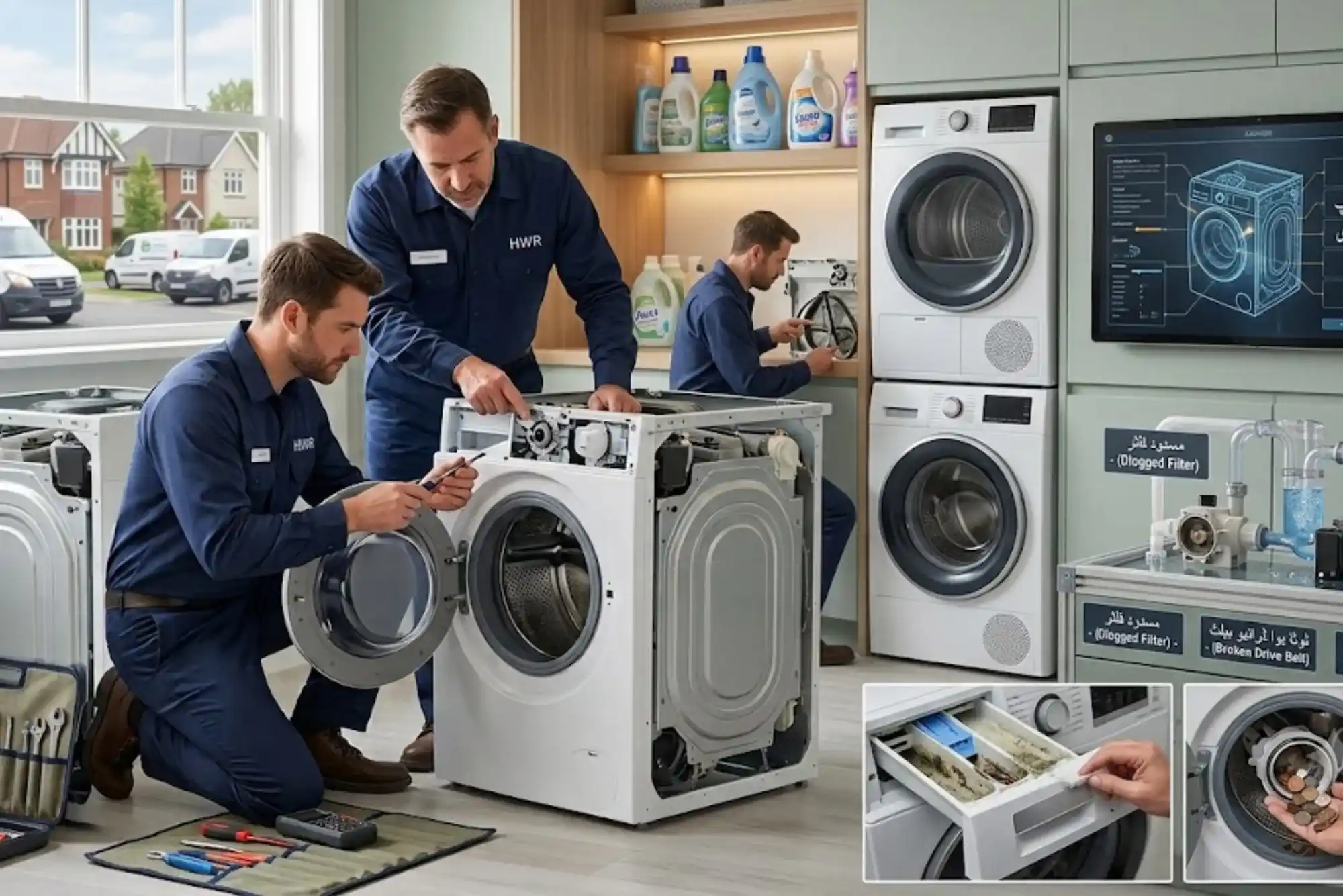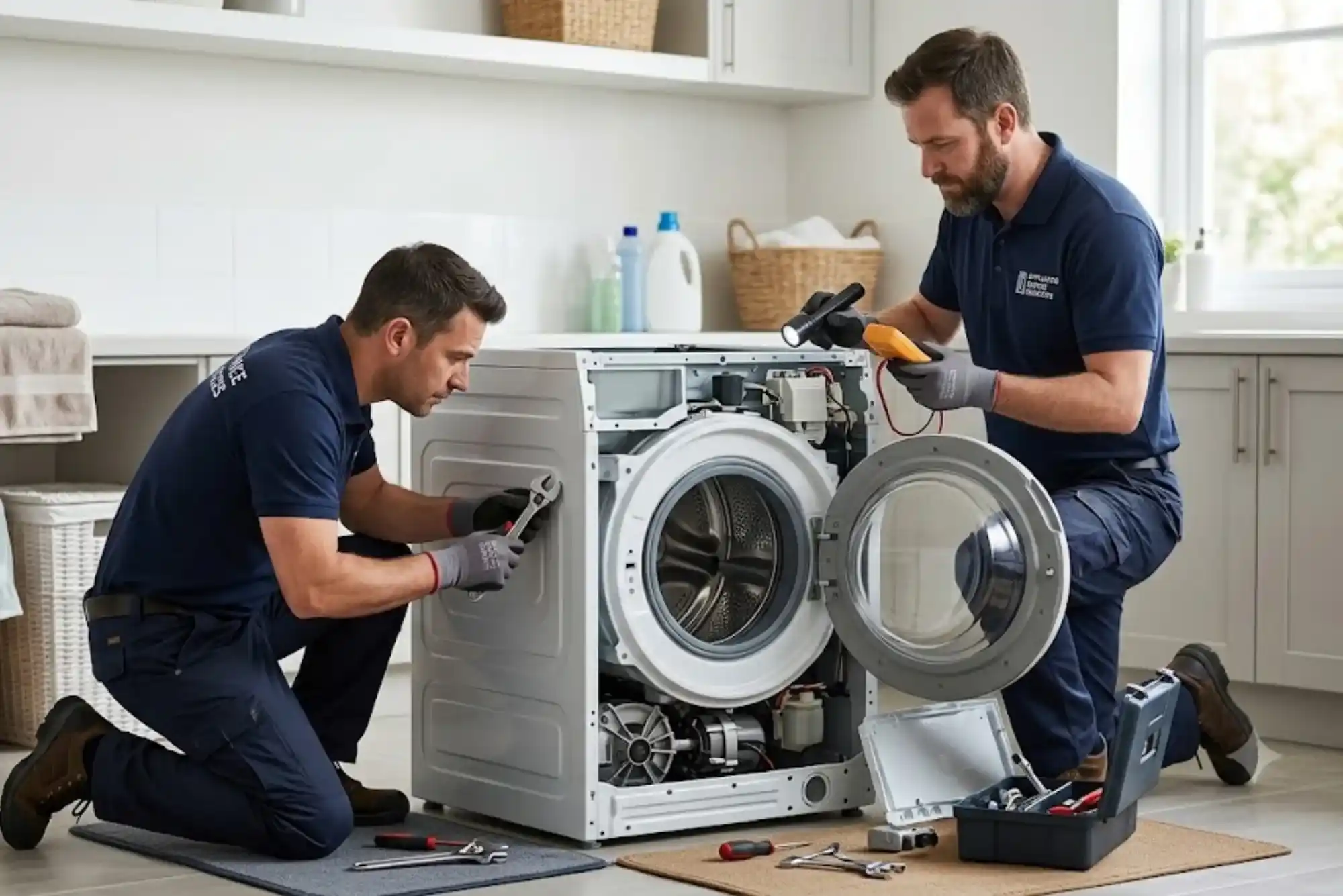
Dryers are engineered to deliver consistent and efficient performance, yet their internal components work under continuous mechanical stress. Among the most important of these components is the drum belt. This belt wraps around the drum and connects to the motor pulley, allowing the drum to rotate smoothly during operation. Proper dryer drum belt tension is essential for maintaining balanced movement, reducing noise, and ensuring effective drying cycles. When belt tension becomes loose or excessively tight, the appliance may produce unusual sounds, stop rotating, or experience uneven wear.
Understanding dryer drum belt tension is not only important for technicians but also for homeowners who want to protect their appliance investment. The belt operates under continuous rotational force, transferring energy from the motor to the drum. If tension is compromised, the entire drying system becomes unstable. Addressing belt tension issues early prevents damage to related components such as the motor, idler pulley, and drum bearings.
Understanding the Function of the Dryer Drum Belt
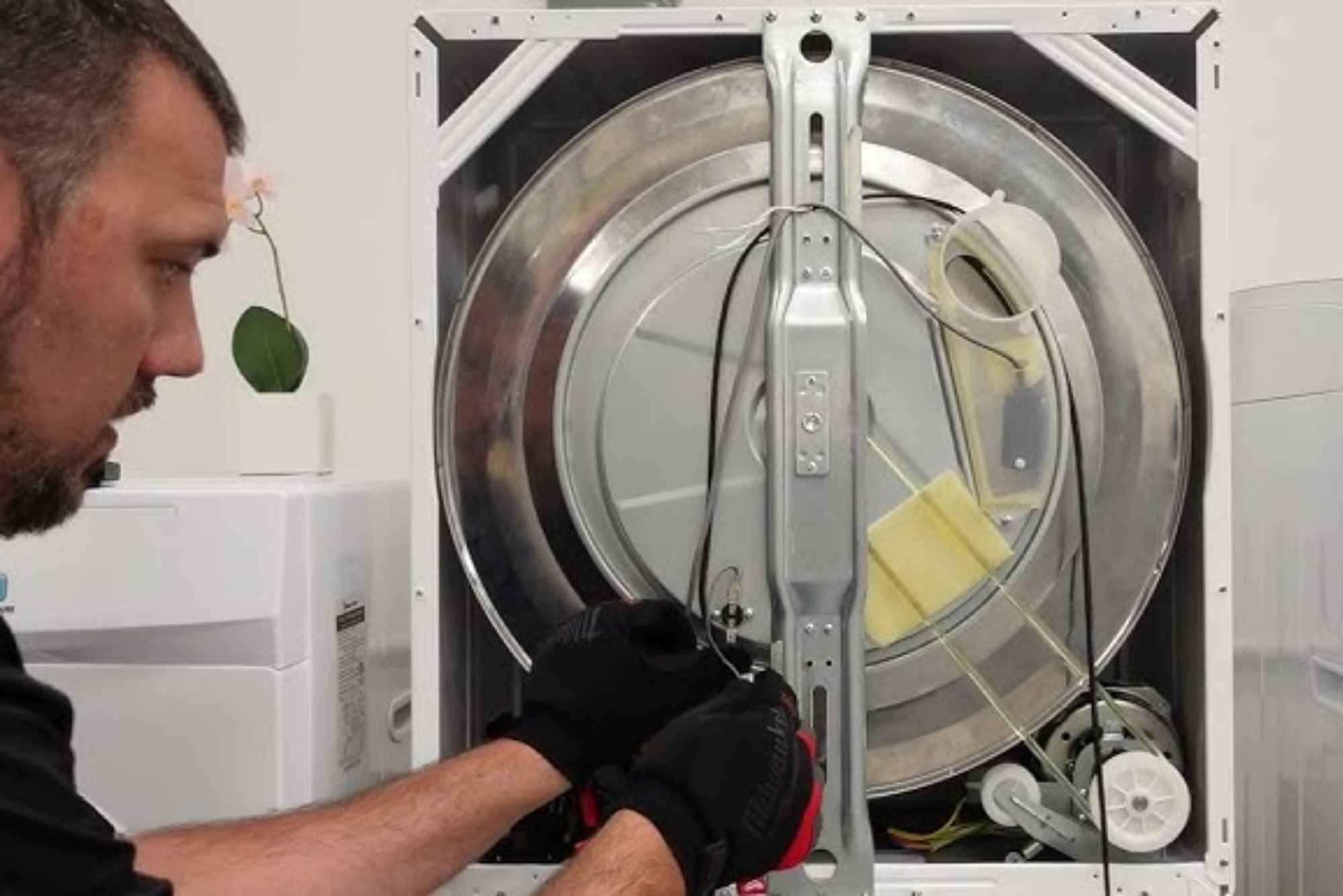
The dryer drum belt is typically made of durable rubber reinforced with synthetic fibers to withstand high temperatures and constant movement. It wraps tightly around the drum and loops through a tensioner pulley before connecting to the motor shaft. The tensioner maintains consistent pressure on the belt, ensuring smooth drum rotation.
Dryer drum belt tension directly affects how efficiently the drum spins. If the belt becomes loose, the drum may slip or rotate inconsistently. If it becomes overly tight, it can strain the motor and increase friction, leading to overheating or premature component failure. Balanced tension allows the motor to operate within optimal limits while ensuring clothes tumble properly for even drying.
Common Causes of Belt Tension Problems
Over time, natural wear and tear weaken the belt material. Continuous heating and cooling cycles gradually reduce elasticity, causing slack. This loss of flexibility leads to reduced dryer drum belt tension and can result in squeaking or thumping noises. Additionally, heavy loads place extra stress on the belt, accelerating deterioration.
Improper installation after maintenance can also cause incorrect tension. If the tensioner pulley is not aligned correctly, the belt may sit unevenly on the drum. Dust and lint accumulation around the pulley system further disrupt smooth operation. Regular inspection helps detect these issues before they escalate into larger mechanical failures.
Warning Signs of Incorrect Dryer Drum Belt Tension
One of the earliest signs of tension problems is unusual noise during operation. A squealing or chirping sound often indicates that the belt is slipping against the drum. A loud thumping noise may signal uneven wear or misalignment. In more severe cases, the drum may stop spinning entirely while the motor continues running, indicating that the belt has broken or lost tension completely.
Another noticeable sign is extended drying time. When the drum fails to rotate consistently, clothes do not tumble effectively, reducing airflow circulation. As a result, drying cycles become longer and less efficient. Recognizing these warning signals early can prevent motor overload and expensive repairs.
The Importance of Proper Tension Adjustment
Maintaining correct dryer drum belt tension is essential for energy efficiency and appliance longevity. Balanced tension ensures the drum rotates smoothly without placing excessive strain on the motor. When tension is optimal, the dryer operates quietly and efficiently.
Adjustment involves inspecting the belt’s elasticity, examining the idler pulley for smooth movement, and ensuring proper alignment around the drum. Professionals often test drum rotation manually after installation to confirm that resistance is neither too tight nor too loose. Precision during this process prevents premature belt wear and maintains consistent drying performance.
Professional Inspection and Maintenance
Although some homeowners attempt belt replacement independently, professional servicing offers significant advantages. Technicians possess the expertise to evaluate related components such as bearings, pulleys, and motor mounts. During inspection, they assess the entire drive system rather than focusing solely on the belt.
Professional evaluation of dryer drum belt tension includes testing rotational balance and identifying hidden wear points. By addressing minor alignment issues early, technicians prevent future breakdowns. This comprehensive approach enhances reliability and reduces unexpected downtime.
Impact on Dryer Performance and Efficiency
Dryer drum belt tension directly influences airflow dynamics inside the drum. Proper tumbling action ensures that warm air circulates evenly around fabrics. If the drum rotates inconsistently, certain areas may remain damp while others overdry. This imbalance wastes energy and affects fabric quality.
Efficient rotation also reduces stress on heating elements. When clothes tumble correctly, heat distribution becomes uniform, allowing shorter cycles. Consistent performance not only improves drying results but also lowers energy consumption, making belt maintenance a cost-effective measure.
Preventive Measures for Long-Term Reliability
Routine maintenance is key to preventing tension-related issues. Avoid overloading the dryer, as excessive weight strains the belt and motor. Clean lint filters regularly to reduce airflow restriction, which indirectly affects drum performance. Scheduling periodic inspections ensures that minor belt wear is detected before it leads to sudden failure.
Proper installation of replacement belts is equally important. Ensuring the tensioner pulley moves freely and aligns correctly with the motor shaft maintains balanced pressure. Preventive care significantly extends the life of both the belt and the entire drive system.
When to Replace Instead of Adjust
While minor slack may be corrected through adjustment, visible cracks, fraying, or glazing indicate that replacement is necessary. Attempting to tighten a severely worn belt offers only temporary relief and increases the risk of sudden breakage. Replacing the belt at the right time prevents damage to adjacent components and ensures uninterrupted operation.
Professional technicians assess belt condition carefully before recommending adjustment or replacement. This decision depends on elasticity, structural integrity, and overall system alignment.
Long-Term Benefits of Proper Belt Maintenance
Consistent attention to dryer drum belt tension delivers multiple long-term advantages. Smooth rotation minimizes mechanical stress, extending the lifespan of the motor and pulleys. Reduced vibration enhances overall stability and prevents internal damage.
Well-maintained belt systems also improve user experience. Quiet operation, consistent drying results, and shorter cycles contribute to convenience and satisfaction. By prioritizing belt tension maintenance, homeowners protect their appliance investment and avoid frequent repair costs.
Dryer drum belt tension is a critical factor in maintaining smooth and efficient appliance performance. The belt serves as the connection between the motor and drum, transferring power necessary for consistent rotation. When tension becomes unbalanced due to wear, improper installation, or heavy usage, the entire system suffers.