Stove burner cap alignment is one of the most overlooked yet essential aspects of maintaining a safe and efficient kitchen appliance. Whether you are using a gas stove in a residential kitchen or a commercial cooking space, the precise positioning of the burner cap directly impacts flame quality, fuel efficiency, and overall cooking performance. When the burner cap is not aligned properly, it can cause uneven flames, ignition delays, unusual noises, and even potential safety hazards. Understanding the importance of Stove burner cap alignment helps homeowners and property managers avoid unnecessary breakdowns and costly repairs.
Professional technicians who specialize in stove repair service often report that misaligned burner caps are among the most common issues affecting gas stoves. While the problem may appear minor at first, it can lead to larger mechanical failures if ignored. Proper alignment ensures that gas flows evenly through the burner ports, producing a steady and controlled flame suitable for precise cooking.
Understanding the Function of a Burner Cap
To appreciate the importance of Stove burner cap alignment, it is essential to understand how the burner system works. A typical gas stove burner consists of several components, including the burner base, burner head, igniter, and burner cap. The burner cap sits on top of the burner head and distributes the gas evenly across the flame ports. Its primary role is to regulate the gas-air mixture and stabilize the flame pattern.
When the burner cap is correctly positioned, the flame burns evenly around the entire circumference of the burner. The flame should appear blue and steady, indicating complete combustion. However, if the cap is tilted, misplaced, or improperly seated, the gas flow becomes uneven. This can cause yellow or orange flames, uneven heating, and inefficient fuel consumption.
Experienced stove repair service technicians emphasize that even slight misalignment can disrupt combustion efficiency. Over time, this inefficiency can increase gas usage and reduce the lifespan of the appliance.
Common Signs of Misaligned Burner Caps
Homeowners often overlook early warning signs of Stove burner cap alignment issues. The most noticeable symptom is an uneven flame. Instead of a consistent circular flame, you may observe flames that are higher on one side or completely absent on another side of the burner. This imbalance not only affects cooking quality but also places stress on the burner components.
Another common indicator is difficulty igniting the burner. When the cap is not properly aligned, gas distribution becomes irregular, causing delayed ignition or repeated clicking sounds from the igniter. In some cases, users may smell unburned gas due to incomplete combustion.
Soot accumulation on cookware is another warning sign. Improper alignment leads to inefficient burning, which produces carbon deposits. These black residues can stain pots and pans and signal that the burner is not functioning correctly. In such situations, contacting a professional stove repair service ensures safe diagnosis and correction.
Causes of Burner Cap Misalignment
Stove burner cap alignment issues can result from everyday kitchen activities. Routine cleaning is one of the most common causes. After washing the burner components, users may accidentally reposition the cap incorrectly. Even a slight shift can affect the flame pattern.
Food spills and grease buildup can also interfere with proper seating. When debris accumulates under the burner cap, it prevents the cap from sitting flush on the burner head. Over time, hardened grease can distort alignment and create ignition problems.
Physical impact is another contributing factor. Heavy cookware accidentally hitting the burner or forceful placement of pots can move the cap out of position. In older stoves, worn or warped components may also prevent proper alignment. A qualified stove repair service technician can inspect for underlying structural issues if alignment problems persist.
Safety Risks Associated with Poor Alignment
The safety implications of incorrect Stove burner cap alignment should never be underestimated. Gas appliances require precise combustion to operate safely. When the cap is misaligned, incomplete combustion can occur, leading to the production of carbon monoxide. This colorless and odorless gas poses significant health risks in enclosed spaces.
Unstable flames can also increase the risk of flare-ups. Uneven flames may extend beyond the cookware base, potentially igniting nearby flammable materials. Additionally, improper ignition caused by misalignment may result in gas buildup before the flame ignites, creating a sudden burst of fire.
Professional stove repair service providers prioritize alignment checks as part of routine maintenance because small corrections can significantly reduce safety hazards.
Impact on Cooking Performance
Cooking precision depends heavily on consistent heat distribution. Stove burner cap alignment directly influences how heat spreads across the cooking surface. When the flame is uneven, certain areas of the pan receive more heat than others. This inconsistency leads to uneven cooking results, especially when preparing delicate dishes that require controlled temperatures.
For commercial kitchens where efficiency and consistency are critical, even minor alignment issues can affect productivity. Chefs rely on stable flames for sautéing, simmering, and boiling. A properly aligned burner cap ensures optimal flame symmetry and reliable temperature control.
By investing in timely stove repair service, property owners maintain cooking performance while reducing the likelihood of service interruptions.
The Role of Professional Stove Repair Service
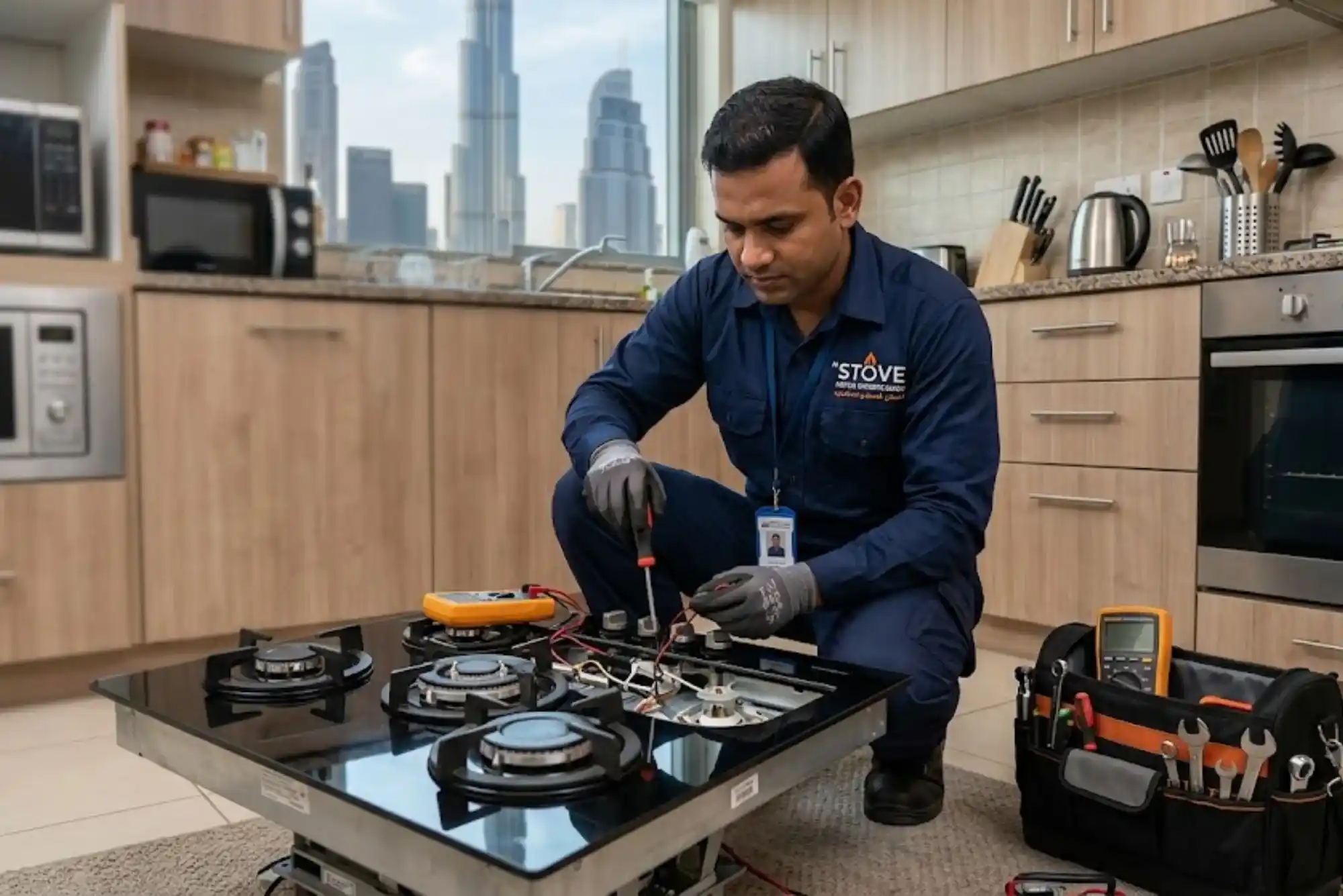
Although burner cap alignment may appear simple, persistent problems often indicate deeper mechanical concerns. Professional stove repair service technicians have the expertise to inspect not only the cap but also the burner head, ignition system, and gas flow mechanisms.
Technicians use specialized tools to evaluate combustion quality and flame distribution. If alignment issues stem from warped components or damaged burner heads, replacement parts may be necessary. Attempting temporary fixes without proper knowledge can worsen the problem.
Routine servicing ensures that Stove burner cap alignment remains precise and that the entire appliance operates safely. Preventive maintenance can also identify potential gas leaks or worn components before they escalate into costly repairs.
Maintenance Practices for Long-Term Alignment
Maintaining proper Stove burner cap alignment requires consistent care. Regular cleaning of burner components helps prevent grease accumulation that interferes with positioning. After cleaning, it is important to ensure the cap sits flat and stable on the burner head.
Avoid forcing cookware onto the burner, as excessive pressure can shift the cap. Periodic inspections of the flame color and shape can help detect early signs of misalignment. A blue, evenly distributed flame indicates correct alignment and efficient combustion.
Scheduling periodic inspections with a trusted stove repair service further ensures that all components remain in optimal condition. Preventive maintenance reduces unexpected breakdowns and extends the appliance’s lifespan.
Cost Implications of Ignoring Alignment Issues
Neglecting Stove burner cap alignment may seem harmless initially, but long-term consequences can be costly. Inefficient combustion increases gas consumption, leading to higher utility bills. Over time, misalignment can damage the burner head or ignition system, requiring more extensive repairs.
In severe cases, persistent misalignment may necessitate full burner replacement. Commercial kitchens may also face operational downtime, resulting in financial losses. Engaging a professional stove repair service at the first sign of irregular flame patterns minimizes expenses and preserves equipment efficiency.
Modern Stove Designs and Alignment Sensitivity
Modern gas stoves are engineered for high efficiency and precise heat control. Many contemporary models feature advanced burner systems designed to optimize fuel use and reduce emissions. However, these systems are often more sensitive to alignment errors.
Because newer stoves rely on carefully calibrated gas flow mechanisms, even slight deviations in Stove burner cap alignment can affect performance. Professional stove repair service technicians are trained to handle modern appliance systems and ensure proper calibration after maintenance.
Advanced designs may also include safety sensors that detect irregular flames. Ensuring correct alignment helps these safety mechanisms function effectively and maintain consistent performance.
When to Seek Professional Assistance
While basic repositioning of a burner cap can be handled carefully by the user, recurring issues signal the need for professional evaluation. If flames remain uneven after cleaning and repositioning, underlying mechanical damage may be present.
Frequent ignition failure, persistent gas odor, or visible burner warping requires immediate attention from a qualified stove repair service. Delaying professional inspection can compromise safety and increase repair costs.
A certified technician can assess gas pressure levels, inspect ignition systems, and verify that Stove burner cap alignment meets manufacturer specifications.
Stove burner cap alignment plays a crucial role in maintaining safety, efficiency, and cooking performance. Although it may appear to be a minor component, its correct positioning ensures even gas distribution, stable flames, and optimal heat control. Misalignment can lead to uneven cooking, higher energy consumption, and serious safety risks.
Regular inspection, proper cleaning, and timely professional stove repair service help preserve the functionality of your gas stove. By addressing alignment issues promptly, homeowners and commercial operators can prevent costly repairs and maintain a safe kitchen environment. Prioritizing Stove burner cap alignment is not just about performance; it is a fundamental step in ensuring long-term appliance reliability and safety.