Modern washing machines are designed to deliver efficient performance with minimal water waste, but even the most advanced washers rely on a small yet critical component known as the water inlet valve screen. When this screen becomes clogged with dirt, sand, or mineral deposits, water flow into the washer is restricted, leading to performance issues that many homeowners misinterpret as major machine failure. Washer water inlet valve screen cleaning is a vital maintenance task that protects your appliance, improves washing results, and prevents unnecessary repair costs.
This guide explains the importance of washer water inlet valve screen cleaning, how clogged screens affect washer performance, signs that indicate cleaning is needed, and when it is best to contact a professional washer repair service. Understanding this process can extend the life of your washing machine and help you avoid unexpected breakdowns.
Understanding the Washer Water Inlet Valve System
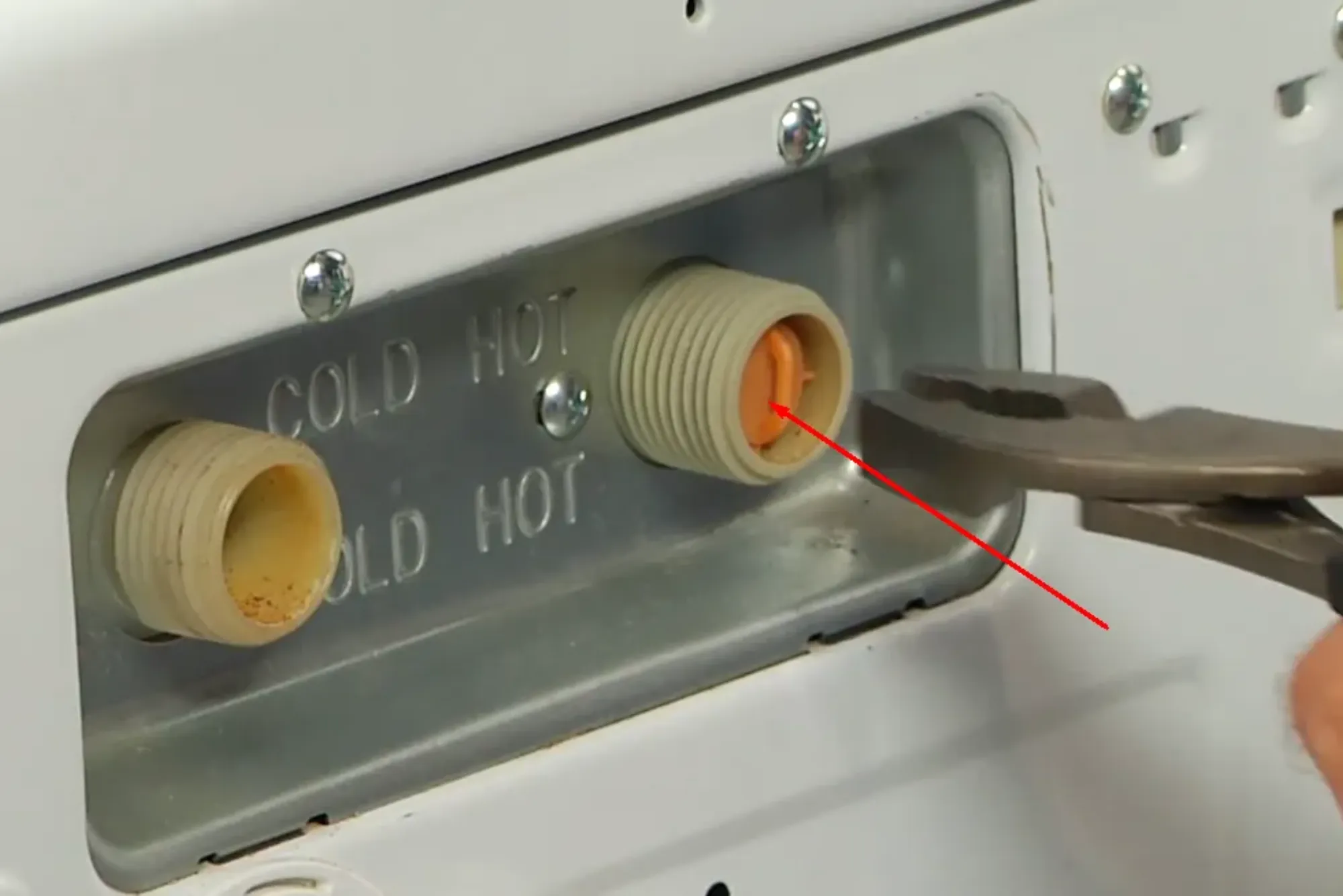
The washer water inlet valve controls the flow of water from your home’s supply line into the washing machine. Located at the back of the washer where the hoses connect, the valve opens and closes electronically based on signals from the control board. Inside the inlet valve connection is a small mesh screen designed to trap debris before it enters the washer’s internal components.
Over time, sediment from water pipes, rust particles, and mineral buildup accumulate on this screen. In areas with hard water, this buildup can happen faster than expected. When the screen becomes partially or fully blocked, the washer struggles to fill properly, affecting wash cycles and overall efficiency. Washer water inlet valve screen cleaning helps maintain steady water pressure and ensures the machine operates as designed.
Why Washer Water Inlet Valve Screen Cleaning Is Important
Neglecting washer water inlet valve screen cleaning can lead to a variety of problems that worsen gradually. Reduced water flow forces the washer to work harder, increasing stress on internal components such as the inlet valve solenoid and control board. Over time, this strain can cause premature failure, turning a simple maintenance issue into a costly repair.
Clean inlet valve screens allow the washer to fill at the correct speed and volume. This ensures detergent dissolves properly, clothes are washed evenly, and rinse cycles remove soap residue effectively. Regular washer water inlet valve screen cleaning also prevents error codes related to water supply issues, which are increasingly common in modern digital washing machines.

Common Problems Caused by Clogged Inlet Valve Screens
A clogged inlet valve screen often causes symptoms that are mistaken for serious washer malfunctions. Slow filling is one of the most common signs, where the washer takes much longer than usual to begin washing. In some cases, the washer may stop mid-cycle because it cannot detect sufficient water flow.
Another issue linked to dirty inlet valve screens is inconsistent water temperature. If hot or cold water flow is restricted, the washer may fill with the wrong temperature, affecting cleaning performance. Washer water inlet valve screen cleaning restores balanced water intake, helping the washer maintain proper temperature control during each cycle.
Excessive vibration or unusual noises can also occur when water enters the drum unevenly. Over time, these issues can damage suspension components and lead to further mechanical problems that require professional washer repair service.
Signs Your Washer Needs Inlet Valve Screen Cleaning
Many washers provide warning signs long before serious damage occurs. One clear indicator is repeated water supply error messages on the control panel. These alerts often appear even when household water pressure is normal, pointing to an internal restriction rather than an external plumbing issue.
Clothes coming out partially dry or not fully rinsed can also signal restricted water flow. Detergent residue left on fabrics is another warning that water is not entering the washer efficiently. Performing washer water inlet valve screen cleaning at this stage can restore performance without replacing major parts.
Unusual cycle delays are another symptom. When the washer takes longer to start washing or pauses frequently during filling, the inlet valve screen may be blocked. Addressing the issue early reduces the risk of needing a full washer repair service later.
How Washer Water Inlet Valve Screen Cleaning Improves Performance
Proper washer water inlet valve screen cleaning improves water pressure consistency throughout each wash cycle. This allows the washer to operate within its designed parameters, reducing stress on electronic and mechanical components. When water flows freely, the washer completes cycles faster and more efficiently.
Energy efficiency also improves after cleaning. A washer struggling to fill uses more electricity as it repeatedly attempts to draw water. Once the inlet valve screen is clean, fill times normalize, lowering overall energy consumption. This small maintenance task contributes to long-term savings on utility bills.
Cleaning the inlet valve screen also improves fabric care. Adequate water flow ensures gentle agitation, even detergent distribution, and thorough rinsing, protecting clothes from damage caused by concentrated detergent or incomplete rinses.
Professional Approach to Washer Water Inlet Valve Screen Cleaning
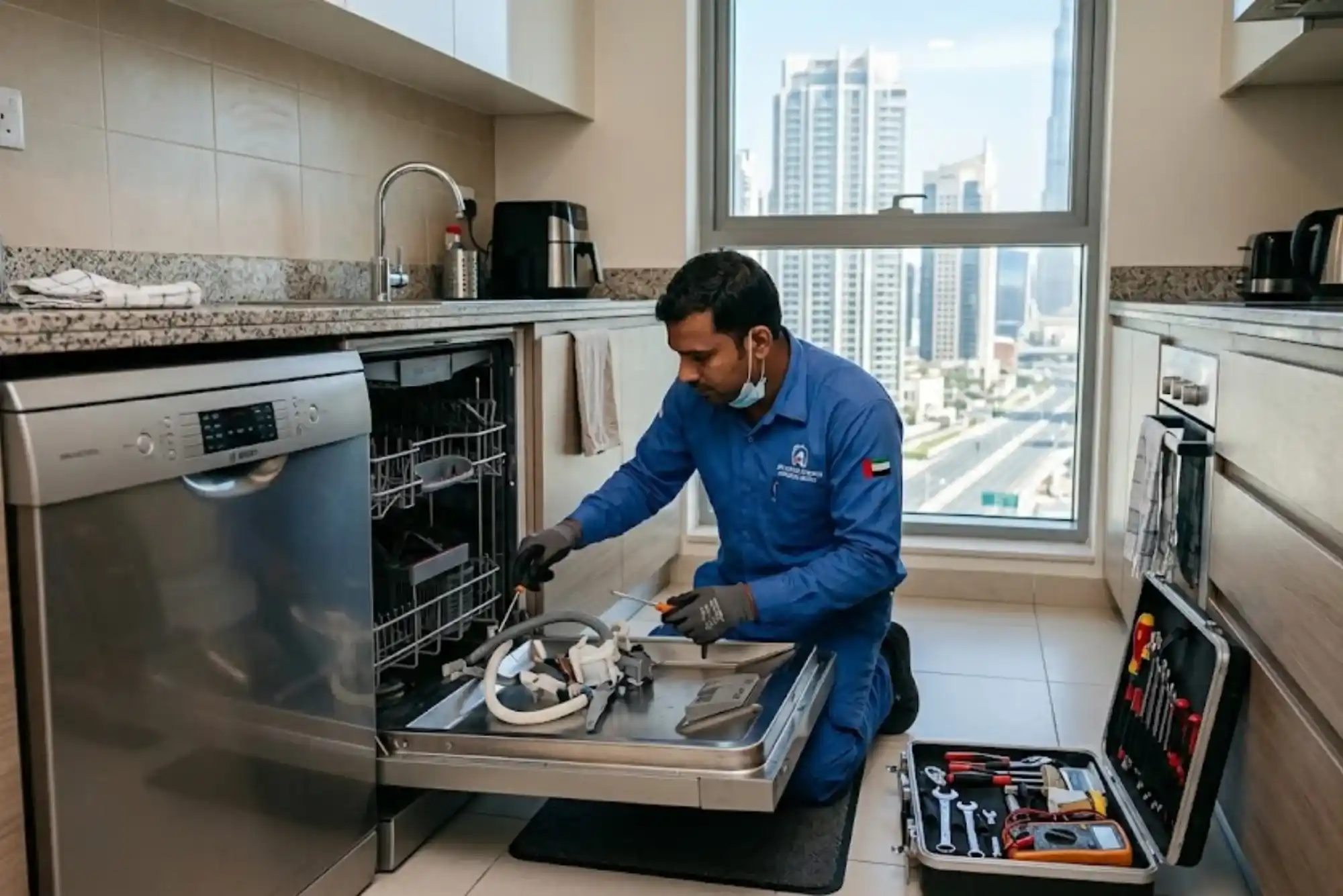
While some homeowners attempt washer water inlet valve screen cleaning themselves, professional service ensures the task is done safely and thoroughly. A trained technician understands how to disconnect hoses correctly, inspect screens for damage, and clean them without compromising the valve assembly.
Professional washer repair service providers also check related components during cleaning. This includes inspecting hoses for internal blockages, testing inlet valve solenoids, and verifying proper water pressure. Identifying early signs of wear prevents future breakdowns and extends the washer’s lifespan.
For households with frequent water quality issues, professionals may recommend additional solutions such as inline filters. These measures reduce sediment buildup and minimize the need for repeated washer water inlet valve screen cleaning.
When Cleaning Is Not Enough
In some cases, washer water inlet valve screen cleaning alone may not resolve water flow problems. If the screen is damaged, corroded, or permanently blocked, replacement may be necessary. Similarly, if the inlet valve solenoid fails electrically, cleaning will not restore proper operation.
A professional washer repair service can accurately diagnose whether the issue lies with the screen, valve assembly, control board, or household plumbing. Attempting repeated cleanings without proper diagnosis can delay necessary repairs and increase overall costs.
Recognizing when cleaning is sufficient and when repair or replacement is required is key to maintaining reliable washer performance.
The Role of Washer Repair Service in Long-Term Maintenance
Regular maintenance provided by a washer repair service goes beyond addressing immediate issues. Scheduled inspections help detect early signs of clogging, worn hoses, and valve wear before major problems occur. Including washer water inlet valve screen cleaning as part of routine maintenance improves appliance reliability.
Professional technicians also ensure that repairs comply with manufacturer guidelines, preserving warranty coverage when applicable. This is especially important for newer washers with advanced electronic systems that require careful handling.
Investing in professional washer repair service reduces the risk of unexpected failures and ensures your washer operates efficiently year after year.
Water Quality and Its Impact on Inlet Valve Screens
Water quality plays a significant role in how often washer water inlet valve screen cleaning is needed. Homes supplied with hard water experience faster mineral buildup, while older plumbing systems may introduce rust and sediment into the water supply.
Understanding local water conditions helps homeowners anticipate maintenance needs. In areas with poor water quality, more frequent cleaning or professional servicing may be required. A washer repair service can provide guidance tailored to your specific water conditions, helping you protect your appliance effectively.
Improving water quality through filtration not only benefits the washer but also extends the lifespan of other household appliances connected to the water supply.
Preventing Future Clogs and Washer Issues
Preventive care is essential for minimizing washer problems related to water flow. Regular washer water inlet valve screen cleaning reduces the likelihood of sudden failures and maintains consistent performance. Ensuring hoses are in good condition and free from internal debris also supports proper water intake.
Professional washer repair service providers often recommend periodic maintenance checks to address minor issues before they escalate. This proactive approach saves time, reduces repair costs, and keeps your washer running smoothly.
By prioritizing maintenance, homeowners can avoid disruptions caused by washer breakdowns and enjoy reliable performance for years.
Washer water inlet valve screen cleaning is a simple yet essential maintenance task that plays a major role in washing machine performance and longevity. Clogged inlet screens restrict water flow, reduce cleaning efficiency, and place unnecessary strain on internal components. Addressing the issue early through proper cleaning prevents costly repairs and ensures consistent washing results.
While basic cleaning can resolve many water flow problems, professional washer repair service provides comprehensive care, accurate diagnosis, and long-term solutions. By combining regular maintenance with expert support, homeowners can protect their investment and enjoy dependable washer performance.