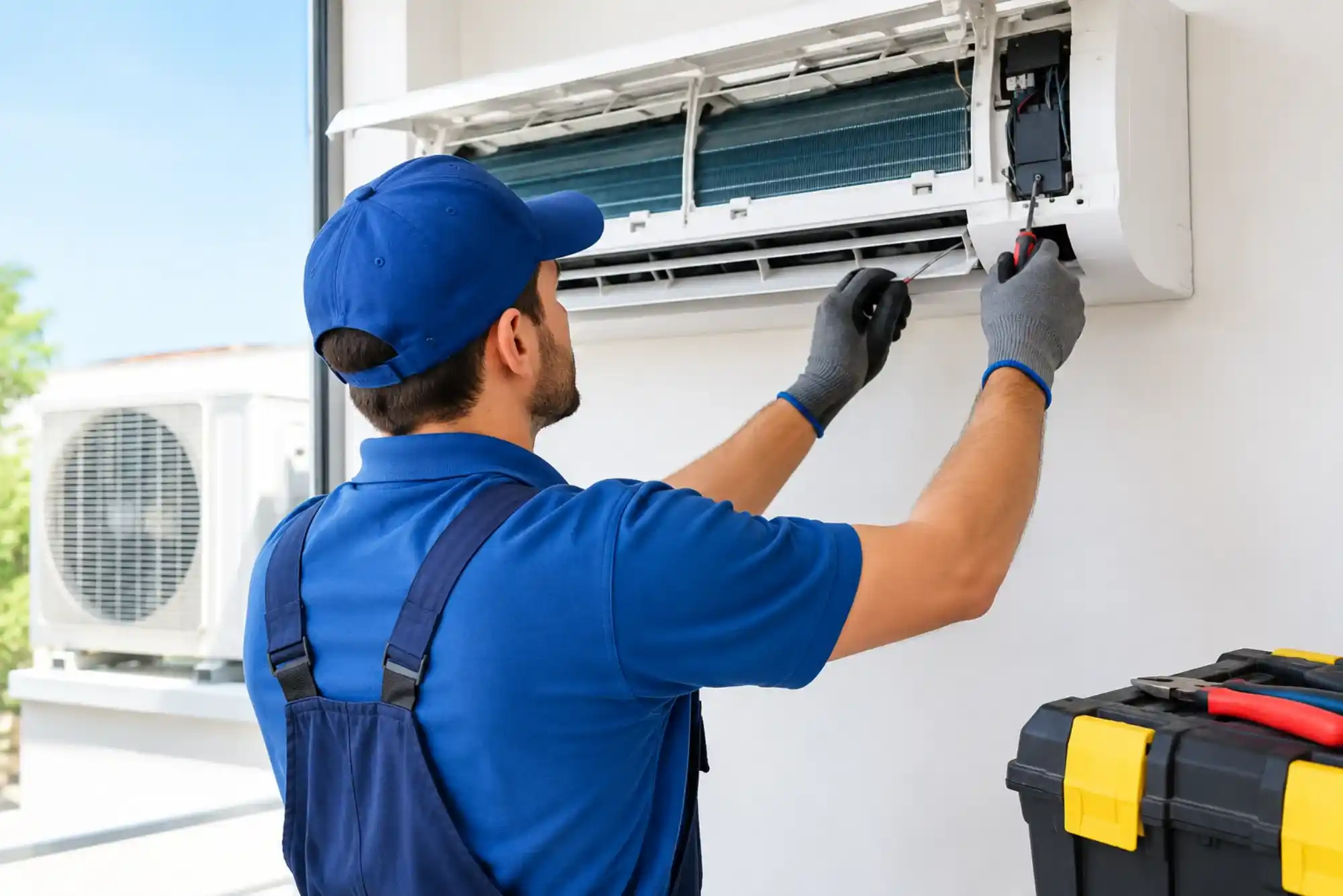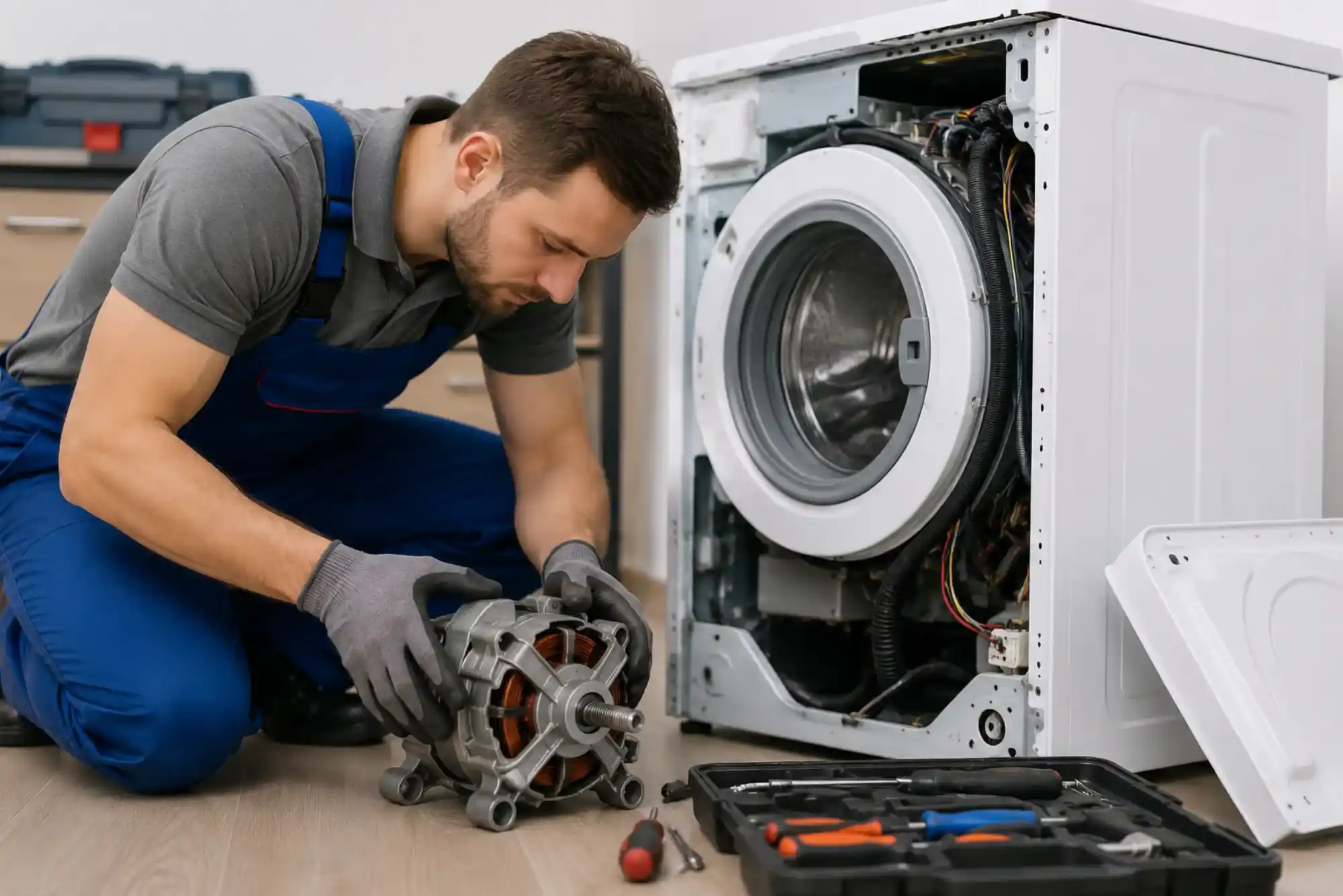
When your air conditioner begins to emit a burning smell, it is an immediate sign that something is not right. Among the common reasons for this issue, a faulty or overheated AC capacitor is one of the most frequent culprits. The capacitor is a vital component that provides the necessary jolt of energy to start the compressor and fan motors. When it fails, the system cannot function properly, and in some cases, it produces that unpleasant and alarming burning odor. Understanding what causes this problem and how to address it can prevent further damage, reduce repair costs, and maintain your system’s safety.
Air conditioning systems are complex electrical machines, and even a small malfunction can disrupt their performance. A burning smell should never be ignored because it can indicate serious electrical issues. Sometimes, the odor might simply come from dust burning off after long periods of disuse, but if it persists or intensifies, the capacitor or wiring could be overheating. Prompt attention to this warning sign ensures both comfort and safety in your home.
Understanding the Role of the AC Capacitor
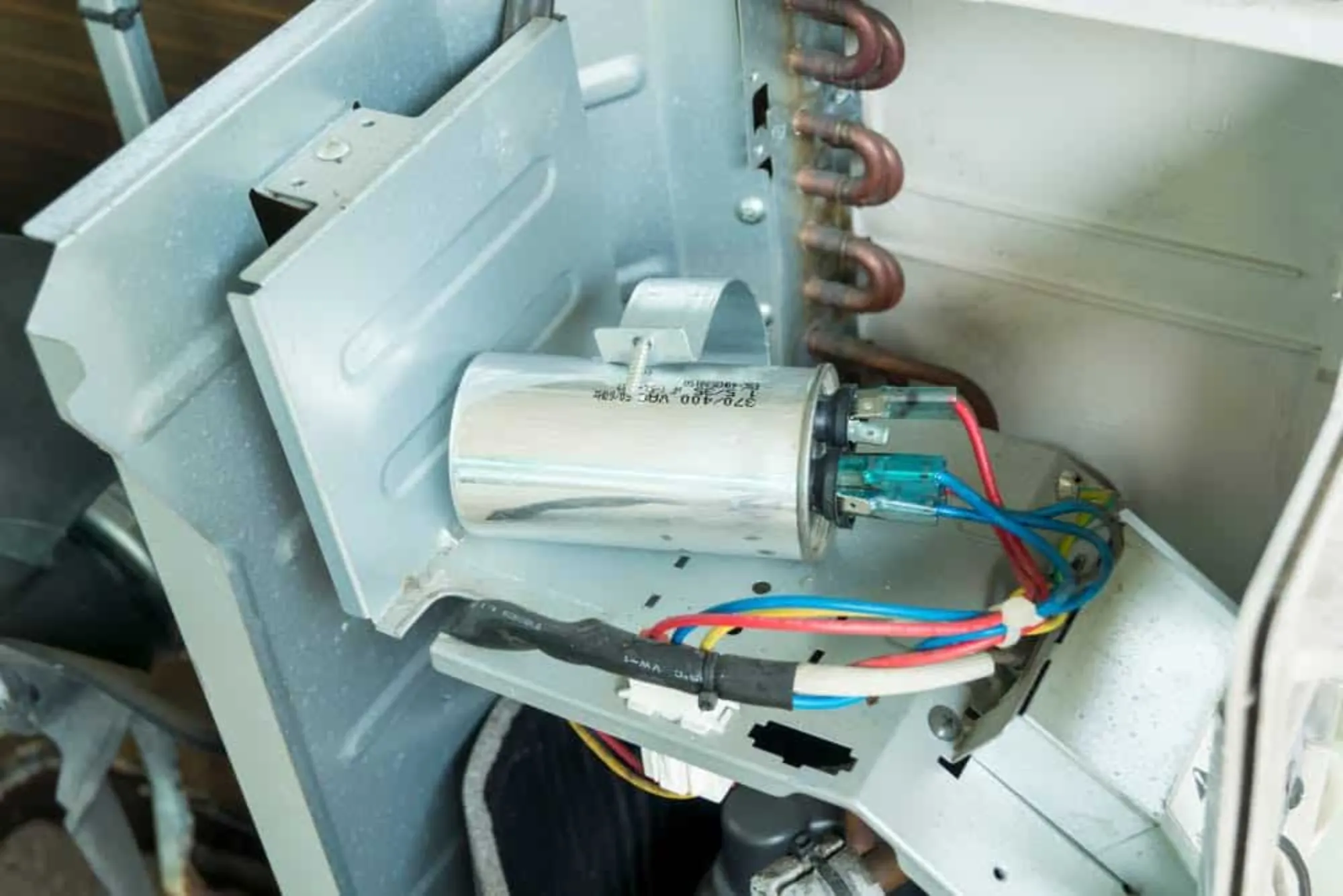
The capacitor acts as a power storage device within your air conditioner. It supplies an extra electrical charge to help start the compressor and fan motors and sometimes maintains a consistent current to keep them running smoothly. When the capacitor begins to weaken or fail, the motors struggle to operate, drawing more power than usual, which leads to overheating. This excessive electrical load can cause insulation and wiring around the capacitor to burn, releasing that distinctive odor of burning plastic or rubber.
Capacitors come in two main types: the start capacitor, which provides the initial power surge, and the run capacitor, which maintains power flow during operation. Both are critical to performance. If either one is damaged, the air conditioner may stop cooling, make unusual noises, or emit heat and odor from the outdoor or indoor unit. Identifying which capacitor is at fault requires proper diagnostic tools and experience, which is why professional inspection is recommended.
Common Causes of a Burning Smell
Several factors can contribute to a burning smell associated with the capacitor. Overheating due to continuous heavy use, exposure to high outdoor temperatures, or electrical surges are frequent causes. Poor ventilation around the unit can also trap heat, worsening the problem. Another reason could be that the capacitor has reached the end of its service life, which typically ranges from five to ten years depending on usage and quality.
Electrical wiring problems also contribute to overheating. Loose connections or damaged wires near the capacitor can cause arcing, where small electrical sparks occur between wires, generating heat and smell. Sometimes, the insulation material covering these wires melts, producing the odor of burnt plastic. Dust buildup or insect nests inside the control panel can also interfere with electrical components and create a burning scent.

Dangers of Ignoring the Problem
Many homeowners assume that a burning smell will go away on its own, but this is a mistake. An overheated capacitor or melting wire can escalate into a more serious electrical fire risk. Continued operation under such conditions stresses other components, such as the compressor or fan motor, leading to more extensive damage. In severe cases, it can cause complete system failure, leaving you without cooling when you need it most.
The cost of replacing a capacitor is minor compared to replacing a burnt compressor or motor. That is why immediate inspection is essential. Turning off the power at the circuit breaker as soon as you notice a burning smell is a smart and safe precaution. The system should remain off until it has been checked by a qualified technician who can confirm whether the capacitor or another component is at fault.
Diagnosing the Source of the Smell
Locating the exact source of the burning smell requires careful observation and professional testing. The technician will usually inspect the capacitor housing for signs of swelling, leaking oil, or burn marks. A bulging top on the capacitor is a sure sign that it has overheated internally. In some cases, the outer casing might be slightly melted or discolored, confirming that electrical overheating has occurred.
If the capacitor appears normal, the next step involves checking the wiring and connectors. Burnt wires or scorched terminals indicate excessive heat or poor connections. Using a multimeter, the technician measures the electrical capacitance to ensure the component is within the manufacturer’s specifications. If readings show a significant drop, the capacitor is failing and must be replaced immediately to prevent further damage.
How to Fix the Problem Safely
Repairing or replacing an AC capacitor should always be done with caution. Since capacitors store electrical energy even after power is turned off, handling them incorrectly can lead to electric shock. Before any repair, the power supply to the air conditioner must be disconnected completely. A professional technician discharges the capacitor using a resistor tool before removing it.
Replacement involves matching the new capacitor with the same voltage and microfarad rating as the original. Installing a mismatched capacitor can harm the compressor and reduce system efficiency. After installation, the technician rechecks the wiring, ensures proper insulation, and tests the system to confirm stable operation. The burning smell should disappear once the faulty component is replaced and no further electrical overheating occurs.
Preventive Maintenance for Future Safety
Preventing capacitor failure begins with routine maintenance. Regular servicing ensures that dust and debris do not accumulate in the unit, which can trap heat. Technicians also check for loose electrical connections, monitor voltage levels, and clean cooling fins for better airflow. Maintaining clean components allows the system to run smoothly without overloading the electrical parts.
Homeowners can contribute by ensuring adequate ventilation around the outdoor unit and avoiding running the system continuously at maximum settings. Seasonal inspections are particularly important in regions with extreme temperatures, where capacitors are under greater strain. Detecting minor wear before it becomes serious can extend the lifespan of the entire air conditioning system.
When to Call a Professional
While some homeowners may attempt to investigate simple causes like dust or debris, capacitor-related problems require technical knowledge and safety precautions. Handling electrical components without proper training is dangerous. If your AC emits a burning smell, produces strange noises, or fails to cool properly, it is best to shut it off immediately and contact a qualified service provider.
A professional technician will not only replace the damaged capacitor but also inspect the surrounding components, including the contactor, fan motor, and compressor. They ensure that no secondary damage has occurred and that the system operates at optimal efficiency once repairs are completed. Regular professional maintenance also provides peace of mind that your air conditioner remains safe and reliable.
The Importance of Quality Replacement Parts
Not all capacitors are created equal. Using substandard or mismatched components can lead to repeated failures or inefficient operation. High-quality capacitors are designed to withstand heat and electrical fluctuations better than cheap alternatives. Professional technicians always use genuine parts that meet the manufacturer’s standards, ensuring long-term reliability and safety.
Installing low-grade parts may save money initially, but the long-term costs often outweigh the short-term savings. Cheap capacitors are prone to failure, which can cause further damage to the compressor or control board. Ensuring the right quality of parts guarantees stable electrical performance and reduces the chances of encountering another burning smell in the future.
Final Thoughts
A burning smell coming from an air conditioner is never a good sign, and when the capacitor is the source, immediate action is required. The capacitor plays a vital role in starting and running your AC’s motors, and any malfunction can compromise the entire system. Whether caused by overheating, wiring issues, or natural wear, the situation demands careful attention.
Prompt diagnosis and repair prevent bigger problems and ensure safety. While it may be tempting to ignore the smell or attempt a quick fix, the safest and most effective solution is to rely on a trained professional. With proper inspection, capacitor replacement, and preventive maintenance, your air conditioner can continue operating efficiently without risk.
Keeping your air conditioning system healthy means being proactive. Schedule regular servicing, monitor for unusual smells or noises, and never overlook early warning signs. By maintaining your system and addressing issues like a burning capacitor quickly, you not only extend the life of your AC but also protect your home from potential electrical hazards.