A refrigerator is one of the most important appliances in any home, silently working around the clock to preserve food and maintain freshness. When it begins to make unusual sounds such as a repeated clicking noise, it quickly becomes a cause for concern. Many people notice this sound coming from behind or beneath the refrigerator and wonder if it signals a serious problem. In most cases, the clicking noise is a symptom of a small but developing issue within the cooling system, the compressor, or the electrical components. Understanding why the noise occurs and how to address it properly can save time, energy, and unnecessary expense.
Understanding the Source of the Clicking Noise
The clicking noise from a refrigerator usually comes from parts that regulate the flow of power or coolant. The sound may appear intermittently, often when the compressor turns on and off, or sometimes repeatedly within a short span of time. This behavior is linked to the way modern refrigerators manage temperature and electricity. Every cycle involves a delicate balance between the thermostat, compressor relay, and condenser fan. If one of these components fails to engage correctly, the result is a repeated clicking sound.
The relay, for example, is a small electrical switch that helps the compressor start. When the relay becomes worn or overheated, it fails to deliver enough current, causing the compressor to try to start repeatedly without success. Each attempt creates a click. Similarly, if the compressor itself is failing, it may attempt to engage and shut off rapidly, producing the same sound.
When Clicking Becomes a Warning Sign
Not every clicking sound is a sign of danger, but persistent or loud clicking should never be ignored. If the refrigerator is also not cooling properly, the noise indicates a performance issue that needs prompt attention. Repeated clicking might suggest that the compressor is struggling to start or that an electrical component is cycling improperly. Over time, this constant starting and stopping can strain the system, leading to more expensive repairs.
Ignoring the sound can also affect energy efficiency. A refrigerator that keeps attempting to restart uses more electricity, raising power consumption. Early attention to such noises prevents more serious failures and helps maintain steady temperature control inside the fridge.
Common Mechanical and Electrical Causes
There are several technical reasons behind the clicking noise. The most frequent one is the start relay malfunction mentioned earlier. It may have worn internal contacts or burnt wires. Another possibility is a defective compressor motor, which cannot maintain the torque required to start the cooling cycle. Dirty condenser coils can also cause overheating, forcing the compressor to shut off frequently for safety, creating intermittent clicks.
Sometimes, the issue lies with the overload protector, a small safety device that cuts off power when the compressor overheats. Each time the overload trips, it produces a clicking sound. When the compressor cools down, it tries to restart, repeating the cycle. Loose wiring or a damaged control board can also generate audible clicks when electrical current fails to pass consistently.
Safe Inspection and Initial Steps
When a refrigerator begins clicking, it is important first to ensure safety. Unplugging the appliance allows a basic visual check for dust buildup around the compressor area, burned wires, or blocked air vents. Allowing the refrigerator to rest for a few minutes before plugging it back in can sometimes reset the relay temporarily. However, this should not be considered a permanent solution. Continuous clicking after reconnection indicates an underlying problem that needs professional attention.
Unlike simple household devices, modern refrigerators operate with sensitive electrical circuits and refrigerant systems that should only be handled by trained technicians. Attempting to replace components without proper tools can lead to safety hazards or further damage.
Why Professional Repair Is Recommended
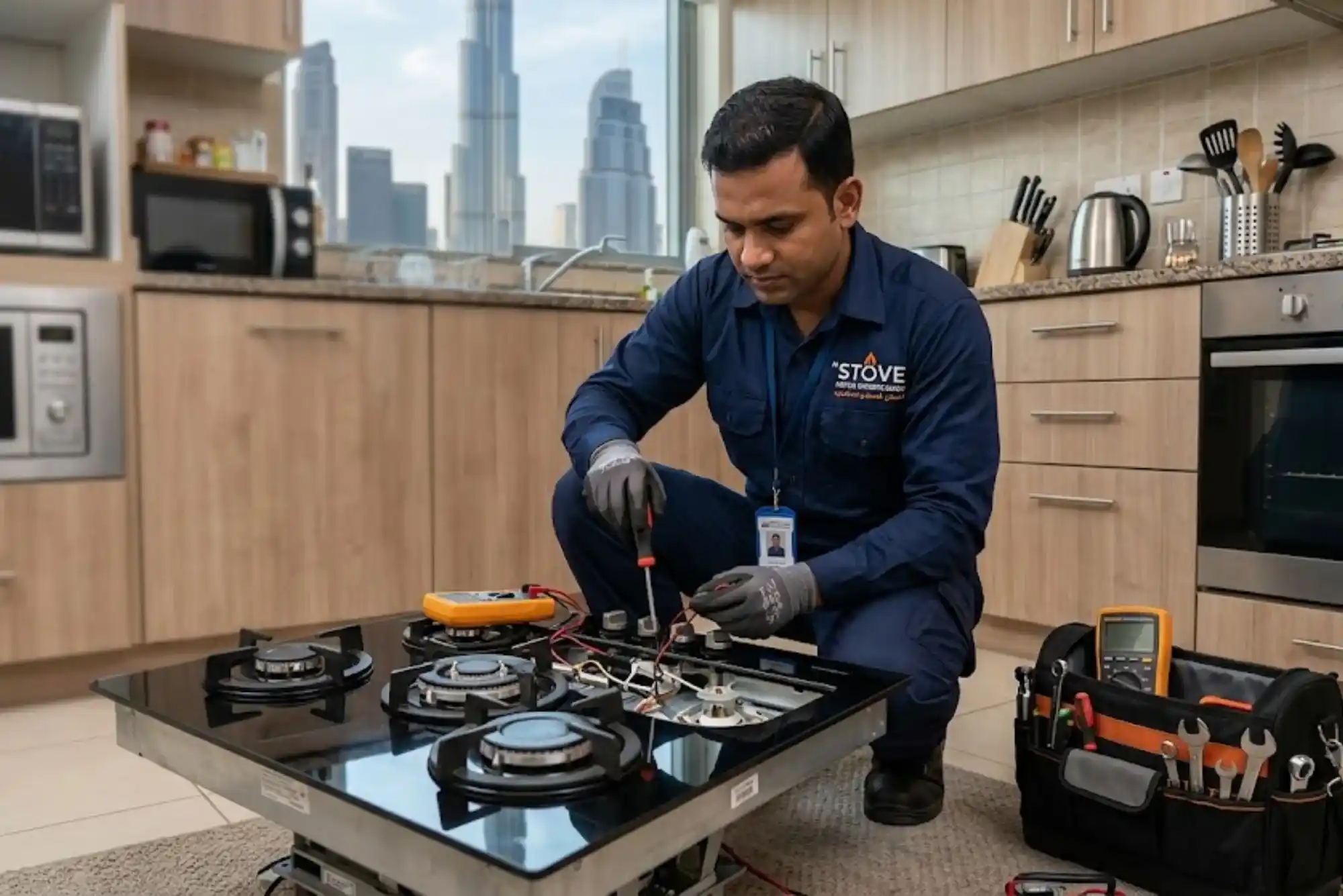
A professional technician can determine whether the problem is electrical, mechanical, or related to refrigerant flow. Using diagnostic tools, they can test the compressor’s continuity, inspect relays, and measure voltage to pinpoint faults. In some cases, the solution may be as simple as replacing a damaged start relay. In others, a weak compressor may require replacement.
Professional servicing ensures that the refrigerator operates safely and efficiently after repair. Technicians can also clean internal components, check coolant levels, and confirm that the system is balanced. This kind of expert intervention prevents future clicking or humming noises and restores quiet operation.
How Regular Maintenance Helps
Preventive maintenance is one of the most effective ways to avoid problems like clicking noises. Dust and dirt accumulating on condenser coils cause the refrigerator to overheat and shut down repeatedly. Cleaning these coils at regular intervals improves cooling efficiency and reduces electrical strain. Checking the door seals, thermostat settings, and airflow paths ensures that the system works smoothly without excessive load on the compressor.
Modern refrigerators rely on precise electronic controls, so even minor fluctuations in voltage can cause irregular clicking. Using a surge protector designed for appliances can help prevent electrical damage. Scheduling professional maintenance at least once a year allows early detection of worn parts and prevents unexpected breakdowns.
The Role of the Compressor and Relay
The compressor is the heart of the refrigeration process. It compresses the refrigerant gas, enabling it to absorb and release heat effectively. The start relay acts as the trigger that initiates this process. When these parts fail to coordinate, the system cannot start properly, leading to the distinctive clicking noise. If the compressor draws too much current, it may overheat and trip the overload protector.
When technicians perform diagnostics, they check for consistent electrical resistance in the compressor windings and ensure the relay functions properly. Replacing these parts restores the synchronization necessary for the refrigerator to run quietly. In most cases, early replacement of a faulty relay is far less costly than waiting until the compressor itself fails.
Stay updated with the latest insights from Hafixer, your trusted source for expert home appliance solutions in Dubai. In our Latest category, you’ll find professionally written guides such as Fridge Makes Clicking Noise Fix, Home Appliance Repairing Service In Dubai, and How to Troubleshoot a Refrigerator Making Clicking Noises, designed to help you quickly identify and resolve common appliance issues. Whether you’re dealing with unusual sounds, performance problems, or leaks like those explained in our detailed guide on Electrolux fridge water leakage, our content is crafted to deliver practical, easy-to-follow solutions. Explore our homepage at Hafixer to discover reliable repair services and keep your appliances running efficiently.
Temperature Control and Sensor Issues
Another hidden cause of clicking noises can be faulty temperature sensors or thermostats. These components send signals to the control board, telling the compressor when to turn on or off. If the sensor sends irregular signals, the control system may cycle repeatedly, causing clicking and poor temperature stability. Adjusting the thermostat or replacing a defective sensor resolves such problems and restores consistent operation.
Power surges or short circuits can also damage the control board, which may click as it tries to restart. Modern technicians are equipped to test circuit boards and replace them safely, ensuring the appliance’s internal programming functions normally again.
Avoiding Future Clicking Problems
Once the refrigerator is repaired, maintaining stable operation becomes the next priority. Keeping the area around the appliance clean and well-ventilated helps prevent overheating. Avoid overloading the fridge with food, as this restricts airflow and forces the compressor to work harder. Make sure the appliance stands level on the floor, because uneven placement can increase vibration and amplify operational noises.
Allowing proper clearance around the back and sides of the refrigerator ensures that the compressor and condenser have enough airflow to dissipate heat efficiently. These small preventive habits reduce stress on electrical components, preventing the return of clicking or other unusual sounds.
When Replacement Becomes the Better Option
If the refrigerator is old and the compressor has already been replaced more than once, continuous clicking may indicate that the system is nearing the end of its service life. In such cases, the cost of ongoing repairs may exceed the value of replacement. A technician can help assess whether repairing or replacing is the most economical choice. Modern refrigerators are designed to be more energy-efficient and quieter, making replacement a reasonable long-term investment.
However, before making that decision, always consult a professional. They can perform pressure tests, evaluate the refrigerant system, and confirm whether other parts are functioning properly. This professional evaluation prevents unnecessary expenses and ensures informed decisions.
A refrigerator that makes a clicking noise is giving an early warning that something within the system is not functioning as intended. The cause might range from a simple electrical relay fault to a more complex compressor issue, but in every case, timely attention is important. Ignoring the sound can lead to poor cooling performance, higher energy bills, and complete system failure.
Understanding the underlying principles of how refrigerators work helps homeowners recognize when to act, but actual repair should always be handled by experienced professionals. With proper diagnosis, regular maintenance, and responsible usage, your refrigerator can operate quietly and efficiently for many years. The faint hum of a working compressor should be the only sound in your kitchen, not the repetitive click that signals trouble.