A refrigerator is one of the most relied-upon appliances in any home or business. It operates continuously, preserving food, medicine, and other perishables that require controlled temperatures. However, because of its constant operation, electrical faults can develop over time. These issues not only interrupt performance but may also pose safety risks if left unaddressed. Understanding the nature of these electrical faults, their causes, and how professional repair ensures reliability is essential for maintaining the efficiency and safety of your fridge.
Understanding Electrical Systems in a Fridge
Modern refrigerators are more advanced than ever before, using integrated electronic control boards, sensors, thermostats, and compressors that rely on consistent electrical supply. The electrical system powers essential components such as fans, lighting, and defrost heaters. When any part of this system encounters irregular voltage, loose connections, or internal short circuits, it disrupts the refrigerator’s performance. Electrical problems are often subtle in their early stages but can quickly develop into major issues if ignored.
The electrical system of a refrigerator is designed with safety circuits and fuses that protect against surges and overloads. However, prolonged wear, moisture exposure, or power fluctuations can weaken these protections. Once an electrical fault occurs, it can cause inconsistent cooling, flickering lights, clicking sounds, or complete power loss.
Common Causes of Electrical Faults
Electrical faults in refrigerators typically result from several interrelated factors. One of the most frequent causes is a power surge. When voltage fluctuates rapidly, internal wiring or sensitive electronic parts can become damaged. Another common cause is poor grounding, which prevents electricity from flowing safely through the appliance. Damaged power cords, loose internal wires, or malfunctioning control boards can also disrupt the fridge’s operation.
In regions with high humidity, moisture can accumulate inside electrical components, leading to corrosion or short circuits. Similarly, prolonged use without regular maintenance can cause wiring insulation to degrade, resulting in sparks or burnt smells. Identifying the root cause requires professional knowledge and diagnostic tools, which is why expert technicians remain essential for any fridge electrical fault repair.
Symptoms of Electrical Faults in Refrigerators
When a fridge experiences electrical issues, it often displays early warning signs. The most noticeable symptom is when the refrigerator stops running completely even though it is plugged in. Sometimes, the lights inside may flicker or fail while the compressor remains silent. In other cases, the appliance may repeatedly trip the circuit breaker, indicating a short circuit or excessive current draw.

Other signs include erratic temperature fluctuations or a fridge that cycles on and off abnormally. Some faults may cause a burning smell near the plug or control panel, signaling overheating wires or components. Ignoring these warning signs can worsen the situation and pose safety hazards, so immediate professional inspection is necessary.
Why Professional Repair Is Important
Electrical repairs should never be approached casually. The combination of electricity and refrigeration systems involves high voltage and pressurized refrigerant, both of which require trained handling. Attempting DIY electrical repairs can lead to injury, further damage to the appliance, or even fire hazards.
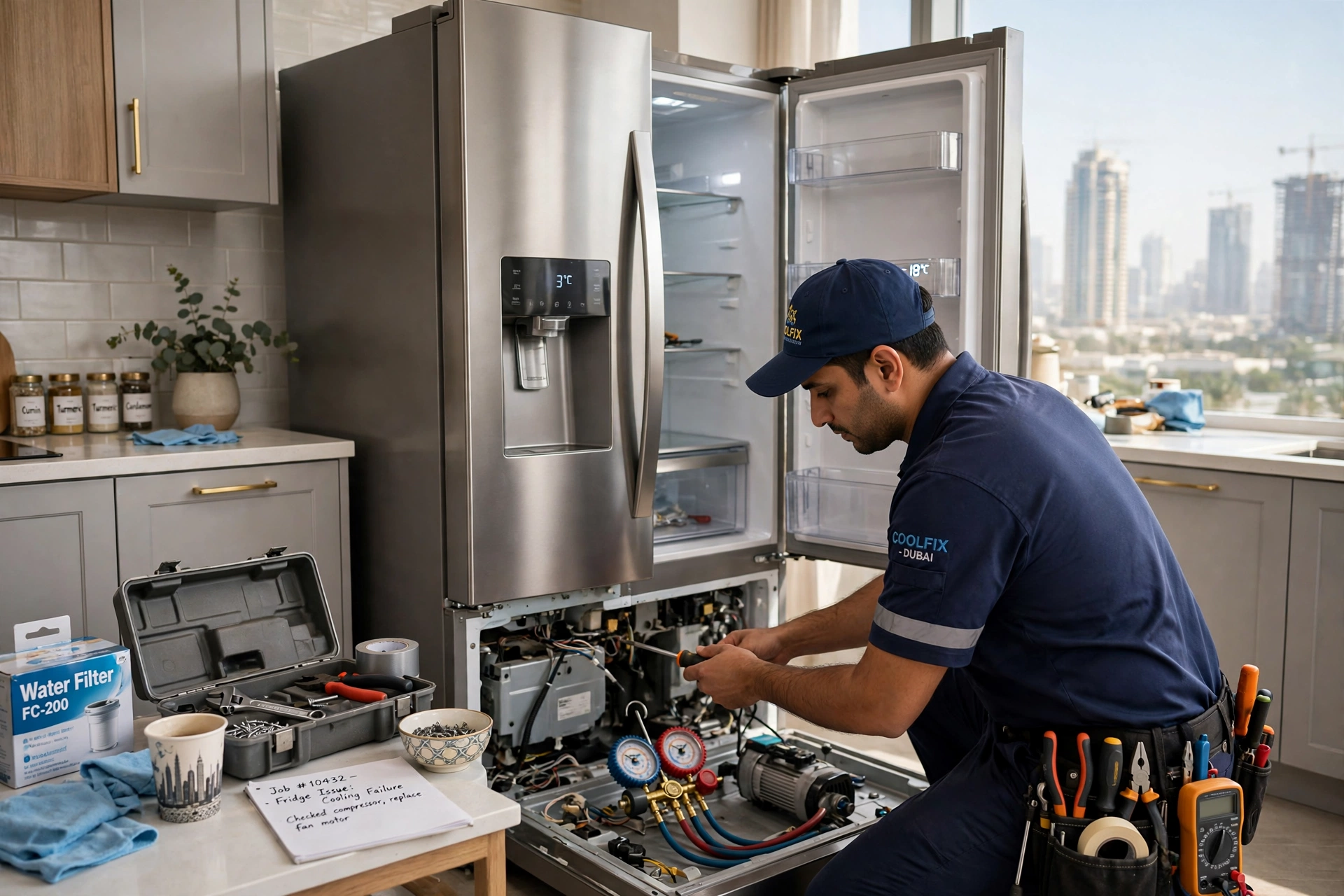
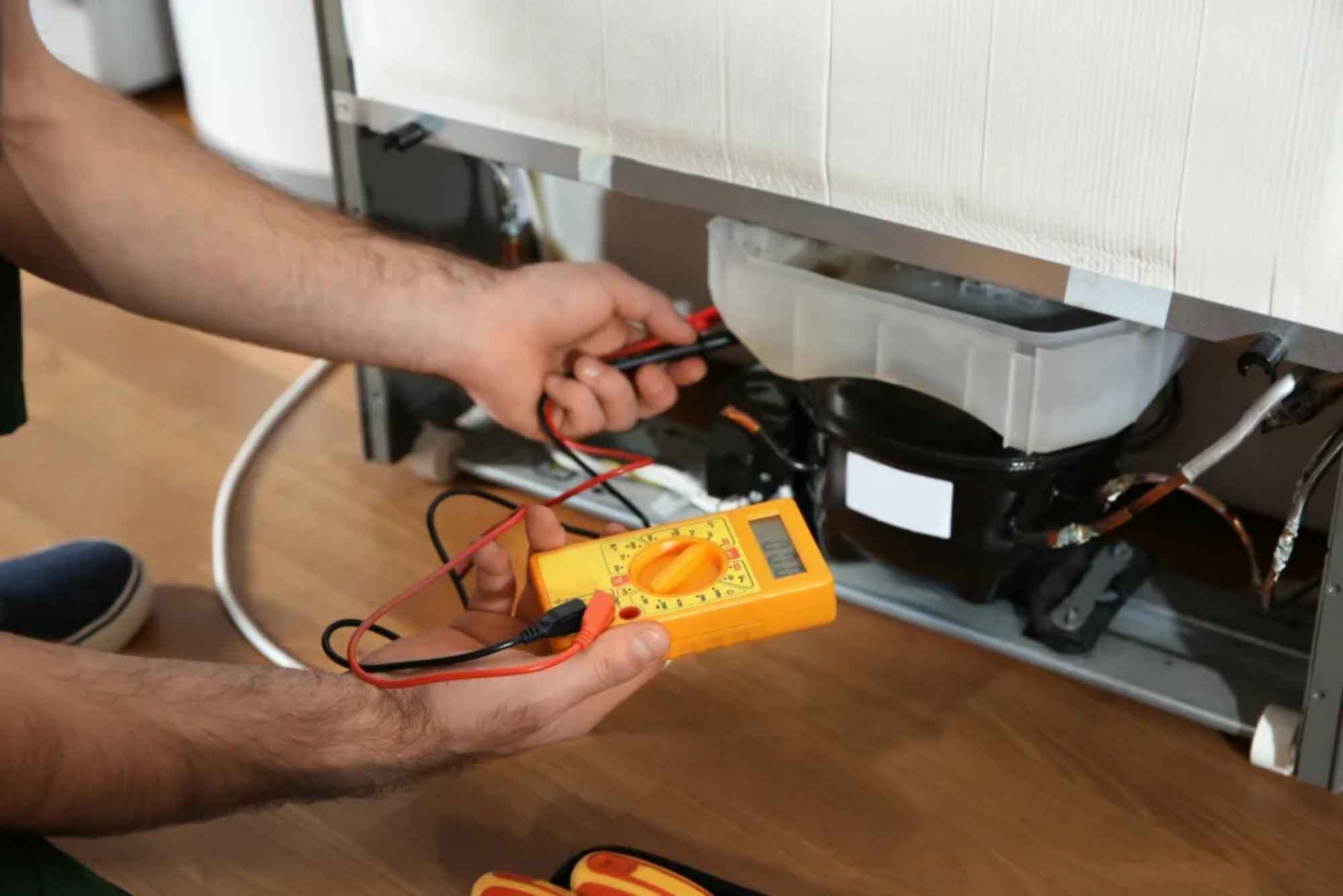
Professional technicians possess the skills, tools, and diagnostic equipment required to safely isolate and fix electrical problems. They can test voltage, continuity, and resistance across circuits to pinpoint the exact fault. Whether it is a damaged relay, burned wiring, or a failed compressor start device, a certified technician can provide safe and lasting solutions. Engaging professional service also helps preserve the manufacturer’s warranty and ensures that all electrical components are compliant with safety standards.
The Diagnostic Process for Fridge Electrical Faults
Diagnosing electrical faults in a refrigerator begins with a detailed inspection. The technician starts by verifying that the unit is receiving power from the outlet. Once that is confirmed, they examine the power cord and plug for signs of damage. If the supply is normal, they proceed to test the internal fuse, control board, and start relay.
Modern refrigerators include electronic control modules that regulate compressor and fan operation. If these modules fail due to a power surge or manufacturing defect, the fridge may stop working entirely. A professional repair process involves checking continuity across the main board, verifying output voltages, and ensuring that relays and thermostats function as designed. This systematic approach ensures that only the defective part is replaced, restoring optimal operation without unnecessary costs.
Preventing Electrical Faults
Prevention plays an important role in maintaining the longevity of your refrigerator. Ensuring that the appliance is connected to a properly grounded socket helps reduce the risk of electrical hazards. Using a surge protector can safeguard internal components from sudden voltage spikes. Regular maintenance by qualified technicians also helps detect wear and tear before it escalates into serious problems.
Dust buildup around the compressor and condenser can increase load and heat, which in turn stresses electrical circuits. Cleaning the coils periodically and maintaining proper airflow behind the refrigerator can prevent overheating. Avoid overloading the socket with multiple high-power devices, as it may cause circuit overload. Preventive steps, combined with regular professional checkups, greatly reduce the risk of future electrical failures.
The Role of Modern Technology in Repair
With the advancement of appliance technology, refrigerator repair has evolved beyond simple mechanical fixes. Many modern fridges come equipped with diagnostic codes that signal the nature of faults through blinking lights or display messages. Professional technicians use specialized diagnostic scanners and multimeters to read these error codes accurately. This helps in identifying whether the problem originates from the electrical board, wiring harness, or power relay.
Modern repair services rely heavily on data and precision. Instead of replacing entire components blindly, professionals now repair or reprogram electronic boards, making the process more efficient and environmentally friendly. This evolution of repair methods demonstrates how technology has transformed the maintenance of essential home appliances.
The Dangers of Ignoring Electrical Problems
Ignoring electrical faults in your refrigerator can lead to multiple complications. A faulty power supply can cause the compressor to run inefficiently, increasing energy consumption and reducing cooling effectiveness. Over time, this added stress can cause motor burnout, requiring expensive replacements. In the worst cases, damaged wiring can spark, leading to fire hazards or electrical shocks.
Even minor faults, such as a loose wire or malfunctioning relay, can cause repeated short cycles that wear out the compressor prematurely. Continuous neglect may result in food spoilage, wasted energy, and expensive service bills. Prompt repair not only restores normal function but also ensures long-term appliance safety.
Why Electrical Repairs Require Expertise
Unlike mechanical issues, electrical faults are not always visible. They require testing equipment to detect anomalies such as voltage drops, resistance irregularities, or current leaks. A professional technician trained in electrical diagnostics understands how to trace circuits safely without damaging components. Their ability to interpret readings accurately ensures a precise and effective solution.
Electrical systems within refrigerators also differ between models and brands. What works for one may not apply to another. Technicians familiar with various makes and technologies can adjust their approach accordingly, guaranteeing that repairs are both compliant and efficient. Professional fridge electrical fault repair not only restores performance but also helps prevent recurring issues through careful inspection and testing.
Maintaining Long-Term Efficiency
A well-repaired refrigerator does more than just cool effectively; it also consumes less energy and operates quietly. Once electrical faults are fixed, the appliance runs more efficiently, maintaining stable temperatures and reducing the risk of overload. To preserve this efficiency, it is wise to schedule periodic maintenance checks and ensure that your electrical connections remain stable.
Technicians often recommend checking power cords for wear, keeping plugs clean, and ensuring proper grounding. Such habits, while simple, contribute to long-term reliability. A well-maintained fridge not only lasts longer but also provides consistent performance that supports household safety and energy savings.
Conclusion
Fridge electrical faults can appear suddenly but usually develop gradually over time due to wear, moisture, or inconsistent power supply. Addressing these issues promptly through professional repair ensures that the appliance remains safe, reliable, and energy-efficient. Electrical systems in refrigerators are intricate and demand skilled handling to diagnose and repair accurately.
Professional repair services are essential not just for restoring function but also for maintaining safety standards and extending the appliance’s lifespan. Ignoring electrical problems can lead to costly replacements, wasted energy, and even dangerous conditions. Regular maintenance, timely inspection, and expert assistance guarantee that your refrigerator continues to operate smoothly, preserving both your comfort and peace of mind.