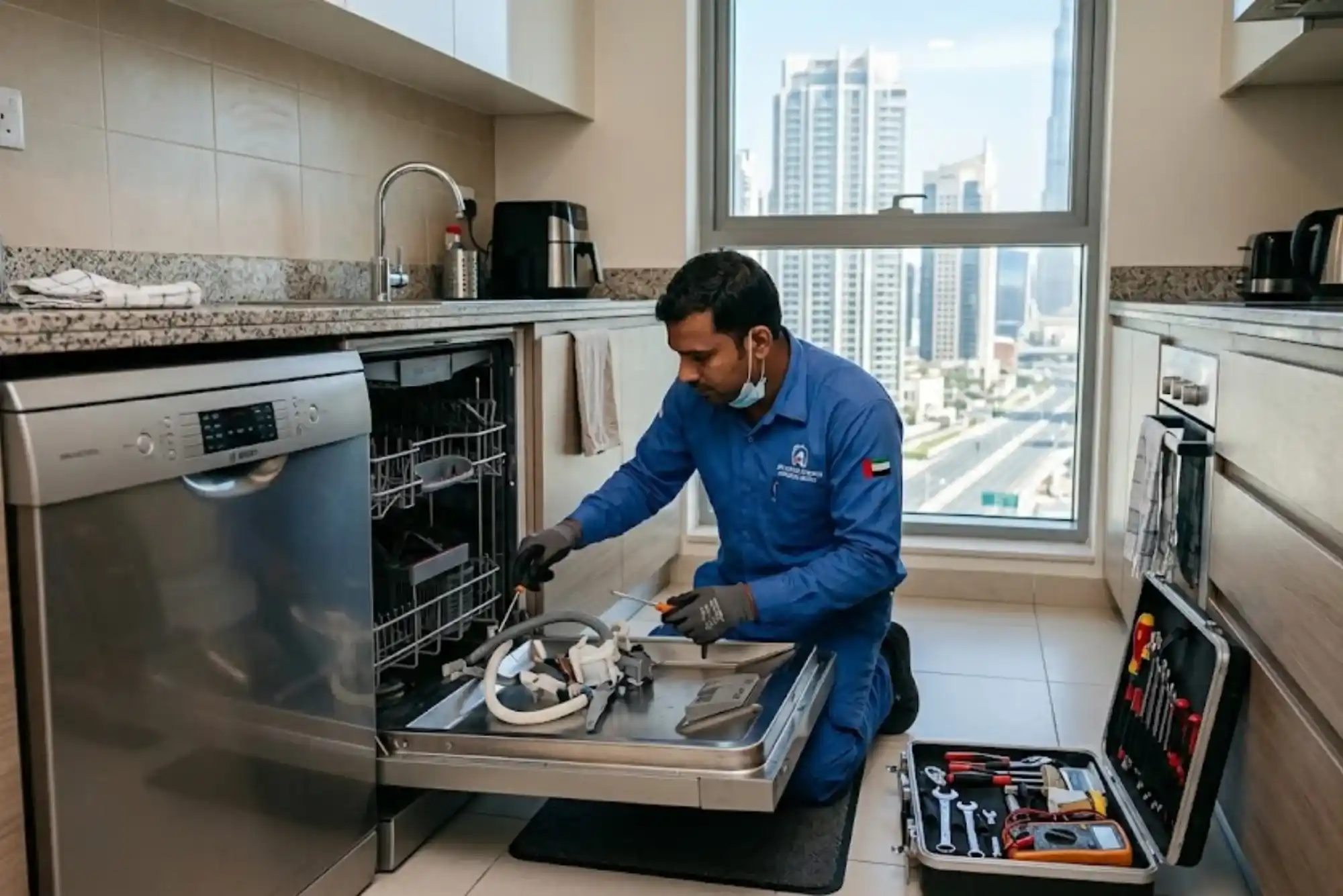
A washing machine is one of the most essential home appliances, designed to make daily chores easier and faster. However, when your washing machine fails to turn on or loses power mid-cycle, it can be extremely frustrating. Power supply issues are among the most common reasons for washing machine malfunction. Understanding how to identify, diagnose, and fix these problems is essential to keep your appliance running efficiently. In this detailed guide, we’ll explore the key steps and insights for washing machine power supply troubleshooting, helping you determine when it’s time to call a professional washing machine repair service.
Understanding the Importance of a Stable Power Supply
Every washing machine requires a consistent and reliable power supply to function properly. Power surges, loose connections, or faulty wiring can interrupt the current flow, causing the machine to stop mid-cycle or fail to start altogether. The power supply acts as the lifeline of the machine, ensuring that all electronic components, from the control board to the motor, work harmoniously.
A weak or unstable electrical connection can lead to damage over time. In some cases, it may affect the machine’s circuit board or internal sensors, leading to recurring issues. Therefore, maintaining a stable power source is crucial not only for performance but also for extending the lifespan of your washing machine.
Common Signs of Power Supply Problems
Before jumping into advanced troubleshooting, it’s important to recognize the symptoms of power-related issues. Common indicators include the washing machine not starting despite being plugged in, the display panel not lighting up, or sudden shutdowns during operation. Sometimes, the power indicator may blink or the machine may make a clicking sound but fail to start the cycle.
If you experience any of these signs, it’s likely a power supply issue rather than a mechanical problem. Identifying the early warning signs can save you from further damage and the higher cost of major repairs.
Checking the Power Source
The first step in power supply troubleshooting is examining the external power source. Ensure that the plug is properly inserted into the socket and that the outlet itself is functional. You can test the outlet by plugging in another appliance to verify if it works.

Sometimes, the issue lies in a tripped circuit breaker or blown fuse. Resetting the breaker or replacing the fuse might restore power to the washing machine. It’s also important to avoid overloading the circuit with multiple high-energy appliances, as this can cause power interruptions.
Using a dedicated outlet for your washing machine is recommended for stable performance and safety. If your outlet shows signs of wear or burn marks, it’s best to have it checked by a licensed electrician before using it again.
Inspecting the Power Cord
The power cord is another crucial component that can cause power interruptions if damaged. Over time, cords can fray, crack, or loosen at the ends. This is especially common in older machines or when cords are bent or pulled frequently.
Visually inspect the cord for any signs of damage, cuts, or exposed wires. If you notice any irregularities, it’s essential to replace the cord immediately. Never attempt to tape or repair a damaged power cord, as it poses a serious safety risk.
Stay updated with the latest insights and expert tips from Hafixer, your trusted partner for reliable home maintenance solutions in Dubai. Whether you are searching for AC repair near me in Ajman or need fast and efficient services like AC Repair Near Me Dubai, Home Appliance Repairing Service In Dubai, or Air Conditioning & HVAC Repair Expert in Dubai, our blog keeps you informed with practical advice and professional guidance. Explore our content to learn how to maintain your appliances, improve efficiency, and ensure long-lasting performance with the help of experienced technicians at Hafixer.
A worn-out power cord not only prevents the washing machine from receiving sufficient power but can also create electrical hazards. Always ensure that the replacement cord matches your washing machine’s voltage and current requirements.
Testing the Power Button and Control Panel
Sometimes, the problem isn’t with the power supply itself but with the power button or the machine’s control board. Modern washing machines rely on electronic control systems that regulate power distribution across various components.
If the power button feels loose or unresponsive, it could be due to internal wear or a disconnected wire. The control panel may also fail due to moisture exposure or internal short circuits. In such cases, the washing machine may not respond even when power is available.
You can try resetting the control panel by unplugging the machine for a few minutes and then reconnecting it. This process can sometimes clear minor electronic glitches. However, if the control board is damaged, you’ll need professional washing machine repair service to replace or reprogram it.
Examining the Door Lock Mechanism
Most washing machines are designed with safety features that prevent operation if the door isn’t properly closed or locked. A faulty door lock or sensor may interrupt the power circuit, making it seem like a power supply issue.
If the door doesn’t click shut securely, the control system might not allow the machine to start. This is particularly common in front-loading models where the door lock switch is electronically controlled. Checking and ensuring that the door is properly latched can resolve this issue.
If the door lock mechanism is defective, it’s best to have it replaced by a professional technician to avoid electrical hazards and ensure safe operation.
Investigating Internal Wiring and Components
Internal wiring problems are another potential cause of power issues in washing machines. Loose connections, corroded wires, or burnt terminals can interrupt the flow of electricity. These issues often occur after long-term use or exposure to moisture inside the machine.
Accessing the internal wiring requires caution and should generally be performed by a trained technician. Mishandling electrical components can result in further damage or electric shock. A professional washing machine repair expert can inspect the internal circuits using specialized tools to ensure that all connections are secure and properly grounded.
Checking the Power Filter and Noise Suppressor
Most washing machines come with built-in power filters or noise suppressors to protect against electrical interference and voltage fluctuations. If these components fail, they can block power from reaching the machine’s control unit.
A burnt or shorted power filter is often accompanied by a faint burning smell or visible scorch marks near the power input area. Replacing a defective power filter requires specific knowledge of your washing machine’s circuit design, so professional assistance is highly recommended.
Maintaining clean and functional filters ensures the appliance receives stable current and prevents damage to sensitive electronic parts.
Resetting and Testing the Machine
After checking the power source, cords, and internal components, it’s essential to reset and test the machine. Unplug the washing machine for at least five minutes to discharge any residual electrical current, then plug it back in and attempt to power it on.
If the machine turns on and operates normally, the problem was likely a temporary electrical fault. However, if it still shows no signs of life, it’s time to call a professional washing machine repair technician to diagnose deeper electrical issues.
Regular maintenance and inspection can prevent these issues from escalating. A professional technician can perform diagnostic tests to identify the root cause and ensure the machine is operating safely and efficiently.
When to Call a Professional Washing Machine Repair Service
While some power supply issues are simple to fix, others involve complex electrical systems that require specialized expertise. If you’ve checked the outlet, cord, and control panel but the washing machine still won’t power on, it’s best to contact a certified technician.
Professional repair services use diagnostic equipment to test voltage continuity, inspect circuit boards, and verify the integrity of internal wiring. They can also replace faulty components safely and efficiently, ensuring your washing machine functions like new.
Regular professional inspections not only resolve immediate issues but also prevent potential electrical failures that could damage your appliance or pose safety risks.
Preventive Maintenance Tips
Preventing power supply issues starts with routine maintenance and mindful usage. Avoid overloading the washing machine, ensure it’s placed on a stable and dry surface, and keep it connected to a grounded outlet. Using a voltage stabilizer can protect the appliance from sudden power surges, especially in areas with unstable electricity.
Cleaning the machine regularly and checking for any loose or damaged connections helps maintain consistent performance. Scheduling periodic maintenance with a washing machine repair service provider can further extend the appliance’s lifespan and enhance efficiency.
Troubleshooting washing machine power supply problems requires a clear understanding of both electrical and mechanical components. While basic checks like inspecting the plug, cord, and outlet can often resolve minor issues, more complex faults demand expert attention. Ensuring a stable power supply, performing regular maintenance, and consulting a professional repair service when needed can keep your washing machine running smoothly for years.
A properly powered washing machine not only saves time and energy but also guarantees consistent cleaning performance. By addressing power supply issues promptly and professionally, you ensure long-term reliability and peace of mind.