When you turn on a gas stove, a clicking sound is expected for a few seconds as the igniter sparks to light the burner. However, if that clicking sound continues long after the flame is lit—or worse, if no flame appears—it can become frustrating and worrisome. Continuous or irregular clicking can indicate anything from a simple moisture issue to a more complex electrical or mechanical fault. Understanding why this happens and how to resolve it is crucial not just for convenience but also for safety in your kitchen.
Why Gas Stove Burners Click
Gas stoves are equipped with an ignition system that generates sparks to ignite the gas. A clicking sound occurs as the igniter produces sparks rapidly until the flame catches. Under normal conditions, the sound stops as soon as the burner is lit.
When clicking persists, it signals that something is interfering with the ignition process. Common causes include moisture trapped in the burner components, food debris blocking gas flow, a misaligned burner cap, or electrical issues in the igniter system. Recognizing these underlying factors is the first step toward a proper fix.
Moisture as a Trigger for Clicking
One of the most frequent and overlooked reasons for clicking is moisture. Cooking involves spills, boiling liquids, and occasional overflows. When water or other liquids seep into the igniter area, they interfere with the spark mechanism.
Moisture can linger even after surface cleaning and often hides in crevices of the burner assembly. In such cases, the igniter continues sparking because it cannot complete the ignition cycle. Drying out the burners carefully—sometimes by simply letting them air dry or by using a gentle heat source—resolves this issue quickly.
Food Debris and Blocked Gas Flow
Another common culprit is food debris. Grease splatters, crumbs, or cooked-on residue can block the ports where gas escapes. When gas cannot flow smoothly to meet the spark, the igniter keeps clicking in an attempt to ignite the burner.
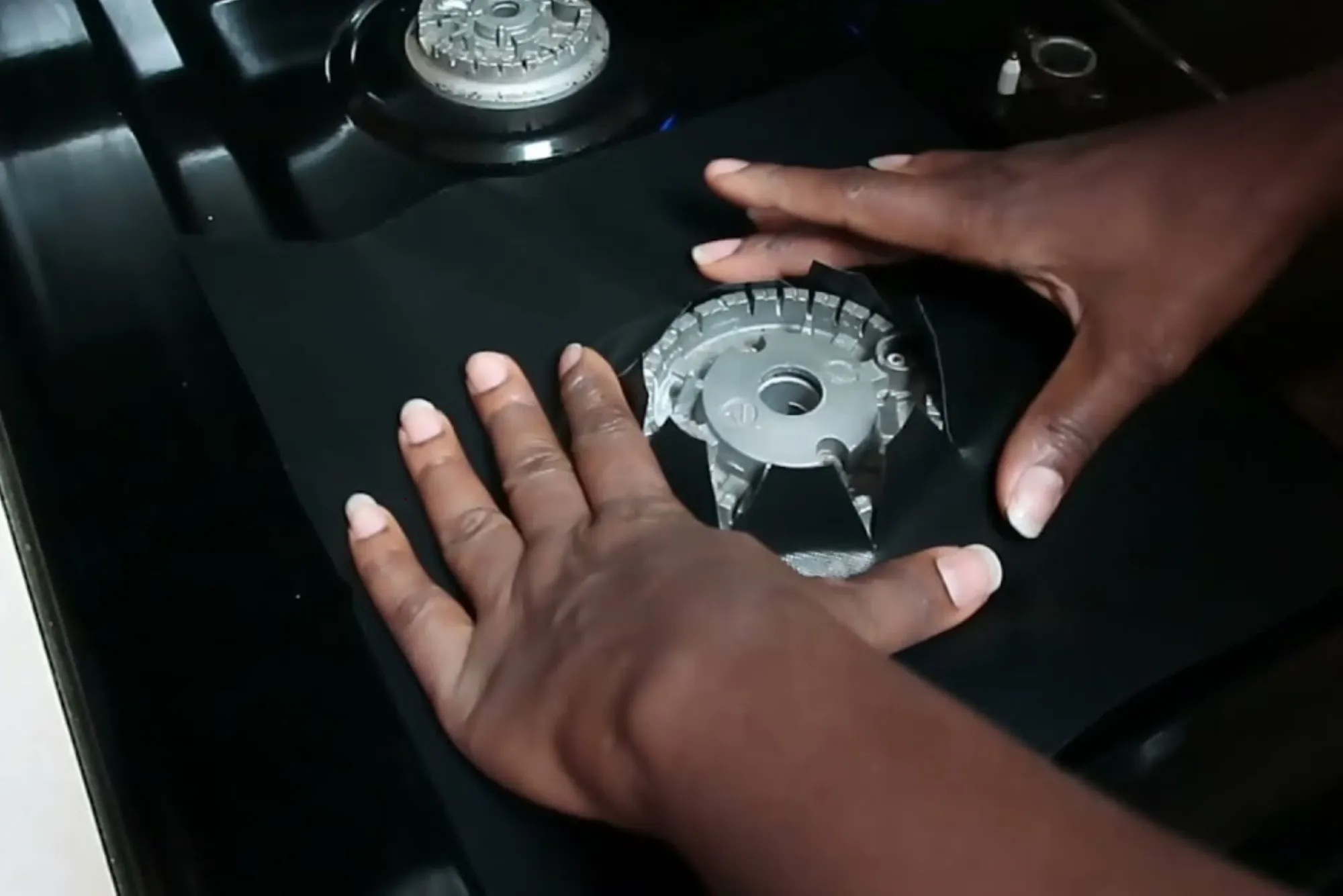
Cleaning these blockages requires patience. Carefully removing the burner head and soaking it in warm soapy water, followed by scrubbing with a non-abrasive brush, restores the flow. Ensuring the ports are clear allows the gas to ignite properly and eliminates persistent clicking.
Misaligned Burner Caps and Components
Burner caps must sit evenly over the burner base for ignition to work correctly. If a cap is shifted slightly during cleaning or cooking, gas distribution becomes uneven. The igniter may continue to spark because the gas is not reaching it properly.
Repositioning the burner cap so it sits securely in its groove often solves the problem instantly. Regularly checking alignment after cleaning or moving components helps prevent repeated clicking sounds.
Electrical Issues in the Igniter System
The ignition system depends on electricity to generate sparks. If there is damage to the wiring, a faulty switch, or a worn igniter module, continuous clicking may result. This type of issue is often more complex and may require professional attention.
Electrical malfunctions can cause sparks at the wrong time or in the wrong place, making it difficult for the flame to stabilize. Homeowners should be cautious here, as tampering with electrical components without knowledge can be hazardous.
Gas Supply Problems
In some cases, the issue lies not in the stove itself but in the gas supply. Low gas pressure, an obstructed line, or a partially closed valve can prevent proper ignition. When insufficient gas reaches the burner, the igniter continues sparking without success.
Ensuring the gas valve is open, checking for kinks in the supply line, or consulting a professional about pressure issues can resolve this problem. Since gas handling carries safety risks, professional evaluation is strongly recommended when supply issues are suspected.
Safe Troubleshooting Approaches
Addressing a clicking burner starts with simple, safe steps. Begin by turning off the stove completely and allowing the burners to cool. Disconnect power if you plan to examine electrical components, and never attempt repairs near an active gas line.
Start with easy fixes: check for moisture, realign burner caps, and clean out debris. These steps resolve most clicking issues without tools or expertise. If the problem persists, move to more advanced checks like inspecting igniter wires or confirming steady gas supply. Safety should always remain the priority during troubleshooting.
Professional Help vs. DIY Fixes
While many causes of clicking burners are simple to address at home, not all are safe for do-it-yourself solutions. Persistent clicking after basic cleaning and drying may indicate deeper electrical or gas-related issues.
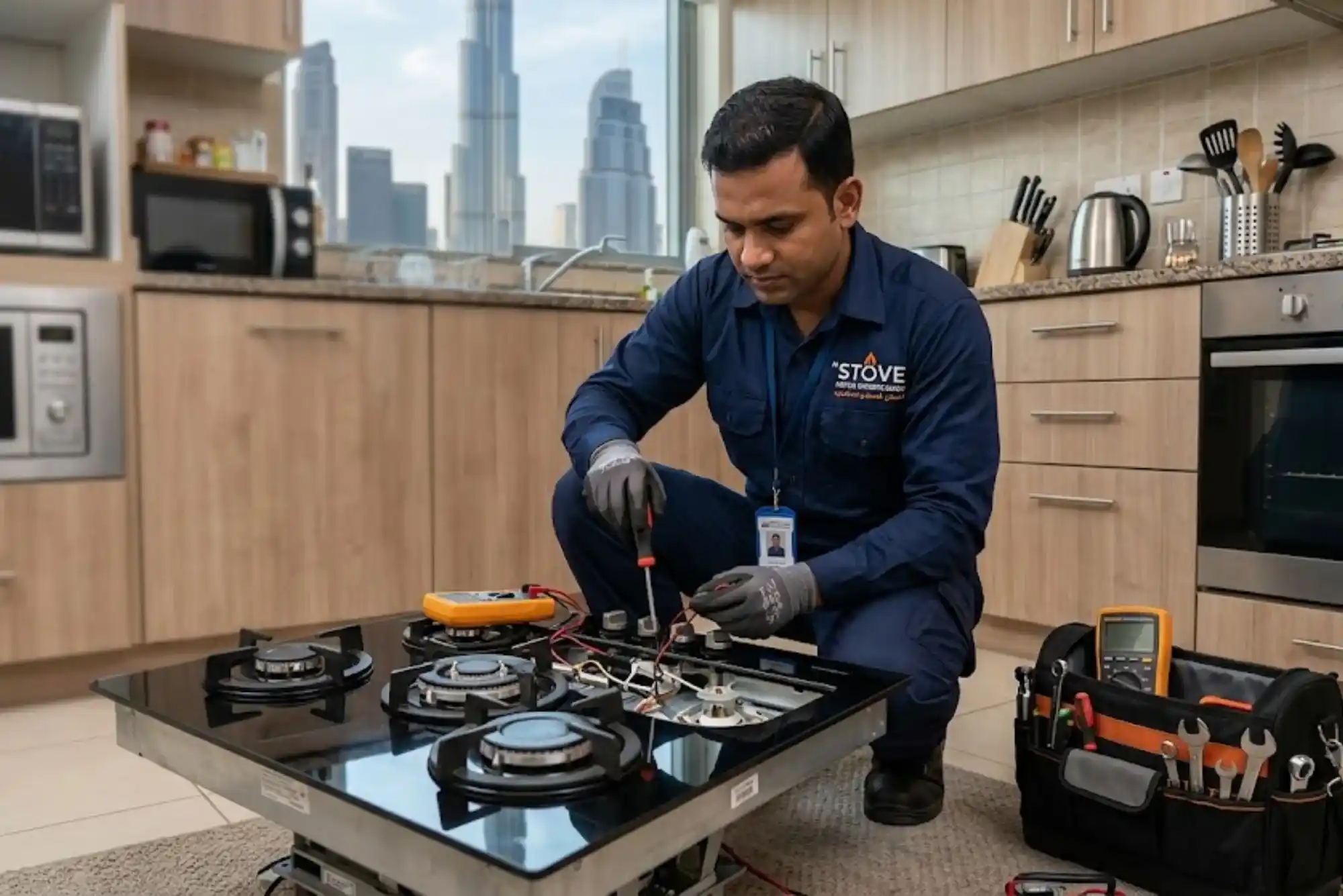
A professional technician brings expertise, proper tools, and the ability to test connections safely. Knowing when to stop troubleshooting and call in help prevents costly mistakes and ensures your stove operates safely. In particular, any suspicion of gas leaks or electrical hazards requires immediate professional attention.
Preventive Maintenance for Burners
Preventing clicking problems begins with routine maintenance. Regularly cleaning burners, ensuring they are dry after use, and checking cap alignment go a long way in keeping the ignition system working properly.
Wiping up spills immediately prevents liquid from seeping into the igniter area. Periodic deep cleaning of burner heads prevents buildup that could interfere with gas flow. In addition, scheduling annual professional inspections ensures both the gas and electrical systems remain in safe condition.
Safety Considerations for Persistent Clicking
Ignoring a continuously clicking burner can create safety risks. Sparks near leaking gas increase the chance of fire, while prolonged sparking can wear down electrical components. Beyond inconvenience, these sounds are signals that should never be dismissed.
If you notice clicking with no flame, turn off the burner immediately and ventilate the area. Avoid using the stove again until the cause is identified and corrected. Safety must always take priority over convenience.
Common Myths About Clicking Burners
Many homeowners believe that a clicking burner automatically signals a broken stove or requires immediate replacement. In reality, most cases stem from minor, fixable issues like debris or misalignment. Another misconception is that spraying cleaning products directly onto burners will resolve the problem. In fact, excess liquid often worsens it by adding moisture.
Separating myths from facts helps homeowners approach the issue logically and without unnecessary expense. Knowledge of common causes empowers you to address them confidently and prevent recurring frustration.
Long-Term Benefits of Timely Fixes
Resolving clicking issues promptly not only restores quiet and efficient cooking but also extends the life of your stove. Igniter systems wear out faster if they are forced to spark continuously. Gas flow obstructions can lead to uneven cooking or wasted energy.
By fixing problems early, you maintain a more reliable appliance, reduce repair costs, and create a safer cooking environment. In many ways, attention to clicking sounds is an investment in the long-term health of your kitchen equipment.
A stove burner clicking sound may seem like a minor nuisance, but it carries important signals about the condition of your appliance. Whether caused by moisture, food debris, misaligned components, or more complex electrical or gas supply issues, the solution often begins with simple, safe steps.
Understanding why the sound occurs and how to respond effectively empowers you to restore normal function without stress. And when the problem goes beyond what can be managed at home, calling in a professional ensures both safety and performance.
By paying attention to these sounds, maintaining your burners regularly, and taking quick action when needed, you keep your stove running smoothly for years to come. Ultimately, addressing a clicking burner is not just about stopping an annoying noise—it’s about ensuring safety, efficiency, and peace of mind in your kitchen.