A flickering or extinguished pilot light is a frustrating issue for many homeowners. What seems like a minor inconvenience can quickly turn into a serious disruption in your kitchen, especially if you rely on your gas stove for daily cooking. Understanding why your stove’s pilot light won’t stay lit requires looking beyond the flame itself and into the mechanics of gas delivery, safety features, and even environmental factors in your home. This article explores the reasons a pilot light may repeatedly go out, the science behind its operation, and how you can address these problems safely.
The Function of a Pilot Light in Your Stove
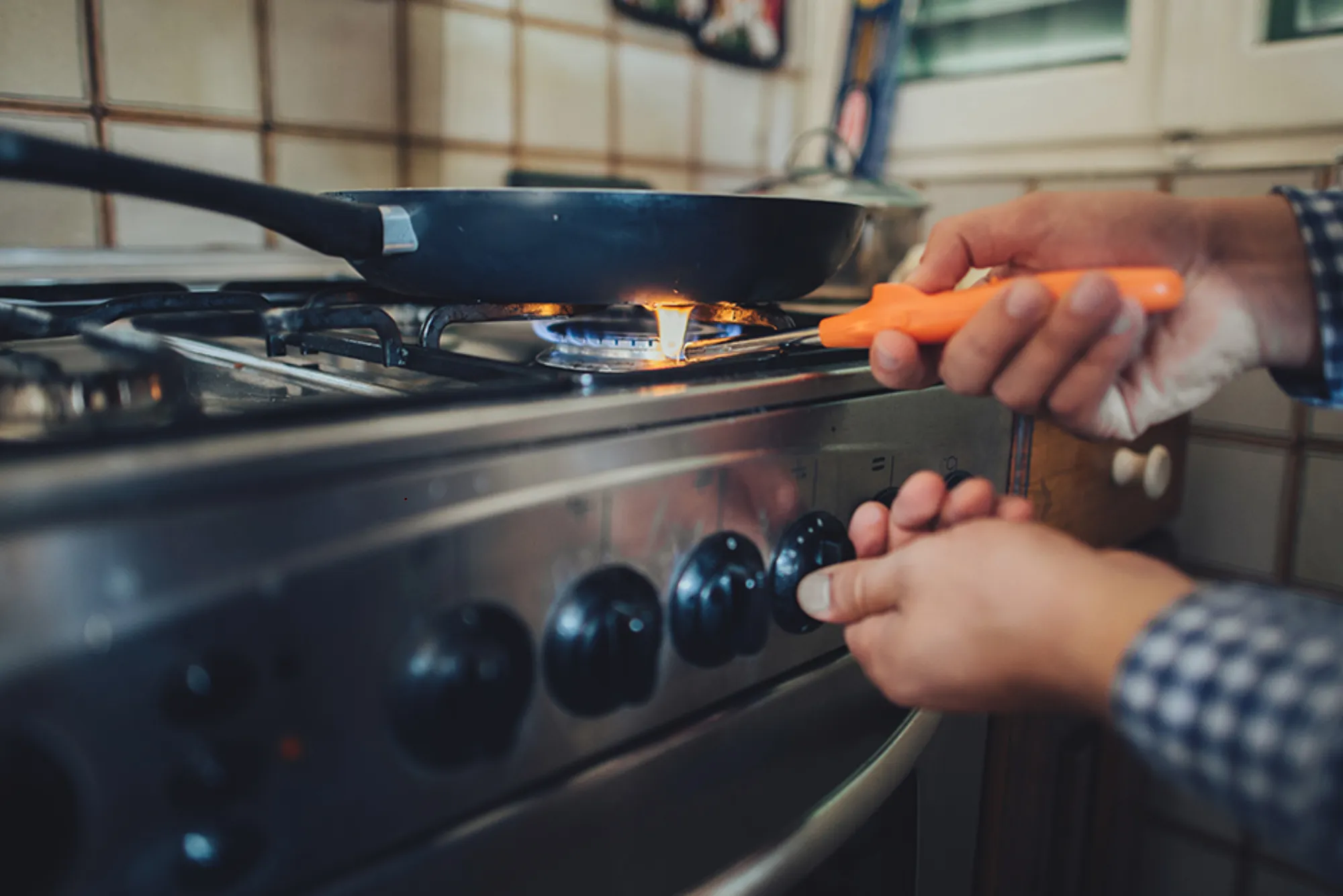
A pilot light is a small, continuously burning flame designed to ignite the gas released when you turn on your stove’s burners. It may look simple, but its role is crucial: it ensures immediate ignition while also serving as a safeguard against dangerous gas buildup.
In older stoves, the pilot light remains on at all times, consuming a minimal amount of gas. Newer appliances may use electronic ignition systems instead, which spark only when needed. However, millions of homes still operate with traditional pilot lights, making their reliability essential for both safety and convenience.
When a pilot light fails to stay lit, it usually means that one of the systems ensuring continuous flame stability is compromised.
The Thermocouple’s Role in Pilot Light Stability
At the heart of the pilot system is a component called the thermocouple. This small safety device acts like a sensor and switch combined. When the pilot light is burning, the thermocouple generates a small electrical current due to the heat it receives. This current signals the gas valve to remain open, allowing gas to flow.
If the flame goes out or fails to heat the thermocouple properly, the electrical signal stops, and the gas supply is automatically cut off. This prevents raw gas from filling your kitchen.
When a pilot light keeps going out, the thermocouple is often the prime suspect. It may be dirty, misaligned, bent, or simply worn out. Even a tiny shift in its positioning can prevent it from detecting the flame accurately, causing the gas to shut off prematurely.
Gas Flow and Pressure Concerns
Your stove depends on a consistent gas supply to keep the pilot light burning. If the flow is weak, uneven, or disrupted, the flame will flicker and eventually extinguish. Several factors can contribute to this:
- A partially closed gas valve restricting flow.
- Clogged gas lines caused by dirt, dust, or corrosion.
- Low household gas pressure due to utility issues.
Gas supply inconsistencies can mimic more common problems like thermocouple failure. That’s why professional inspection is often necessary before replacing parts.
Dirt and Debris Around the Pilot Assembly
Kitchens are busy spaces, and over time, dust, grease, and food particles can build up around the pilot light assembly. Even minor debris can interfere with the flame’s ability to remain steady. For example, grease buildup may cause the flame to burn yellow instead of blue, generating less heat for the thermocouple.
Cleaning the pilot assembly is a simple but delicate task. Using a soft brush or compressed air can remove blockages. However, aggressive cleaning with sharp tools may damage the orifice, leading to bigger problems. Regular maintenance is key to preventing this issue.
Airflow and Drafts Inside the Kitchen
Pilot lights are sensitive to airflow. A strong draft from an open window, a fan, or even frequent movement around the stove can disturb the small flame. This is especially common in homes where ventilation fans are positioned near the cooking area.
Seasonal changes also affect airflow. In winter, when heating systems create pressure imbalances, small drafts can be more noticeable. Identifying and minimizing these disturbances ensures a stable flame.
Wear and Tear in Aging Appliances
Like any household appliance, stoves experience wear over time. Aging components such as valves, seals, and burners may no longer function with the precision required to sustain a pilot flame. Metal fatigue, rust, and thermal stress all take their toll.
For stoves more than 15 or 20 years old, frequent pilot light issues may signal that broader replacement or refurbishment is necessary. Although repairs are possible, the cost-benefit balance often favors upgrading to a newer, more efficient model with electronic ignition.
Safety Mechanisms Triggering Flame Failure
Modern gas appliances include multiple safety features designed to prevent accidents. Sometimes, these mechanisms are responsible for extinguishing the pilot light. For example, a flame failure device will shut off gas if it detects instability. While this may seem inconvenient, it is actually a sign that your stove is preventing a potential hazard.
Understanding when a safety feature is working as intended—and when it is malfunctioning—is important. A technician can test the system to determine whether the flame failure mechanism is overly sensitive or if it is protecting you from a more serious underlying problem
Seasonal and Environmental Influences
Environmental conditions can play a surprising role in pilot light reliability. Cold weather can affect gas pressure in supply lines. Humidity may alter combustion efficiency. Even altitude influences how gas burns, requiring adjustments to the fuel-air mixture.
If you recently moved to a new region or are experiencing unusual weather patterns, the pilot light’s instability may be linked to these external conditions rather than internal stove defects.
Professional Diagnosis Versus DIY Attempts
When faced with a stubborn pilot light, many homeowners are tempted to handle the problem themselves. While basic cleaning and inspection are generally safe, adjusting or replacing gas components can be risky without proper training. Gas leaks, faulty installations, and damaged parts all present serious hazards.
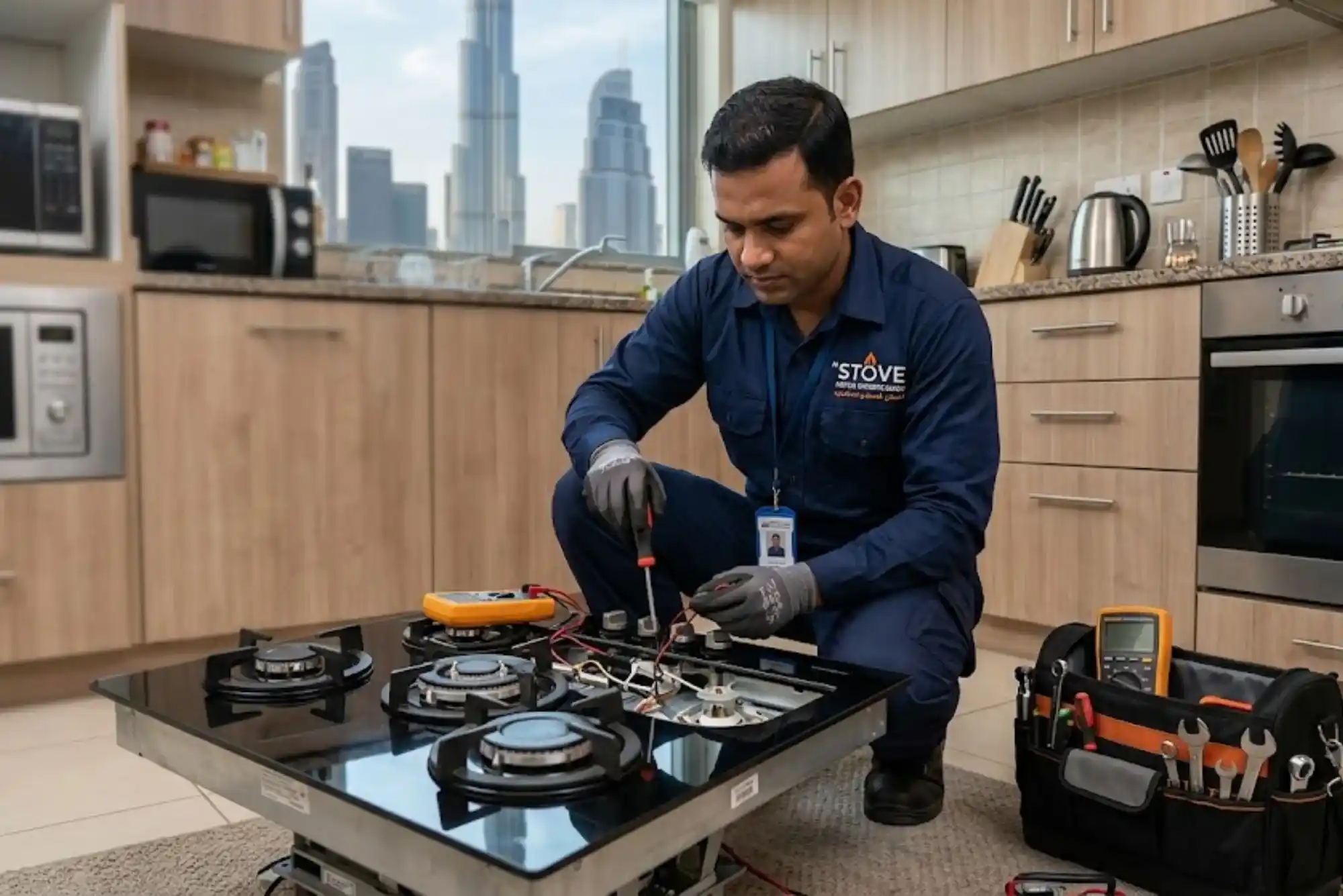
Professional technicians use tools to measure gas pressure, test thermocouples, and check for leaks. They can distinguish between a worn-out part and a broader system malfunction. Investing in expert service not only restores your stove’s reliability but also ensures your household’s safety.
Long-Term Solutions and Preventive Care
Keeping your pilot light functional is not just about quick fixes. Long-term reliability depends on preventive care and regular maintenance. Scheduling annual inspections, cleaning the pilot assembly, and monitoring flame color are simple practices that prevent major issues from developing.
In addition, modern upgrades—such as converting to an electronic ignition stove—can eliminate pilot light problems altogether. While this requires an upfront investment, it often pays for itself through energy savings and reduced repair costs over time.
When It’s Time to Replace Your Stove
If your stove is old, frequently needs repairs, or poses recurring safety concerns, replacement may be the most practical option. Today’s gas stoves feature advanced ignition systems, efficient burners, and stronger safety controls. Transitioning away from a constantly burning pilot light also reduces energy consumption, lowering your utility bills.
Making the choice to replace rather than repair is not always easy, but considering the cost of ongoing service calls, potential safety risks, and efficiency gains, it can be a wise decision
A pilot light that won’t stay lit can be frustrating, but it is also an important signal that something in your stove’s system is not functioning properly. From thermocouple issues to gas flow disruptions, environmental factors, and aging components, many variables influence pilot light stability.
Approaching the problem with care—by cleaning, observing, and knowing when to call a professional—ensures that your stove remains both functional and safe. Whether you maintain your current appliance or invest in a modern replacement, addressing pilot light issues promptly protects your home, your family, and your peace of mind.