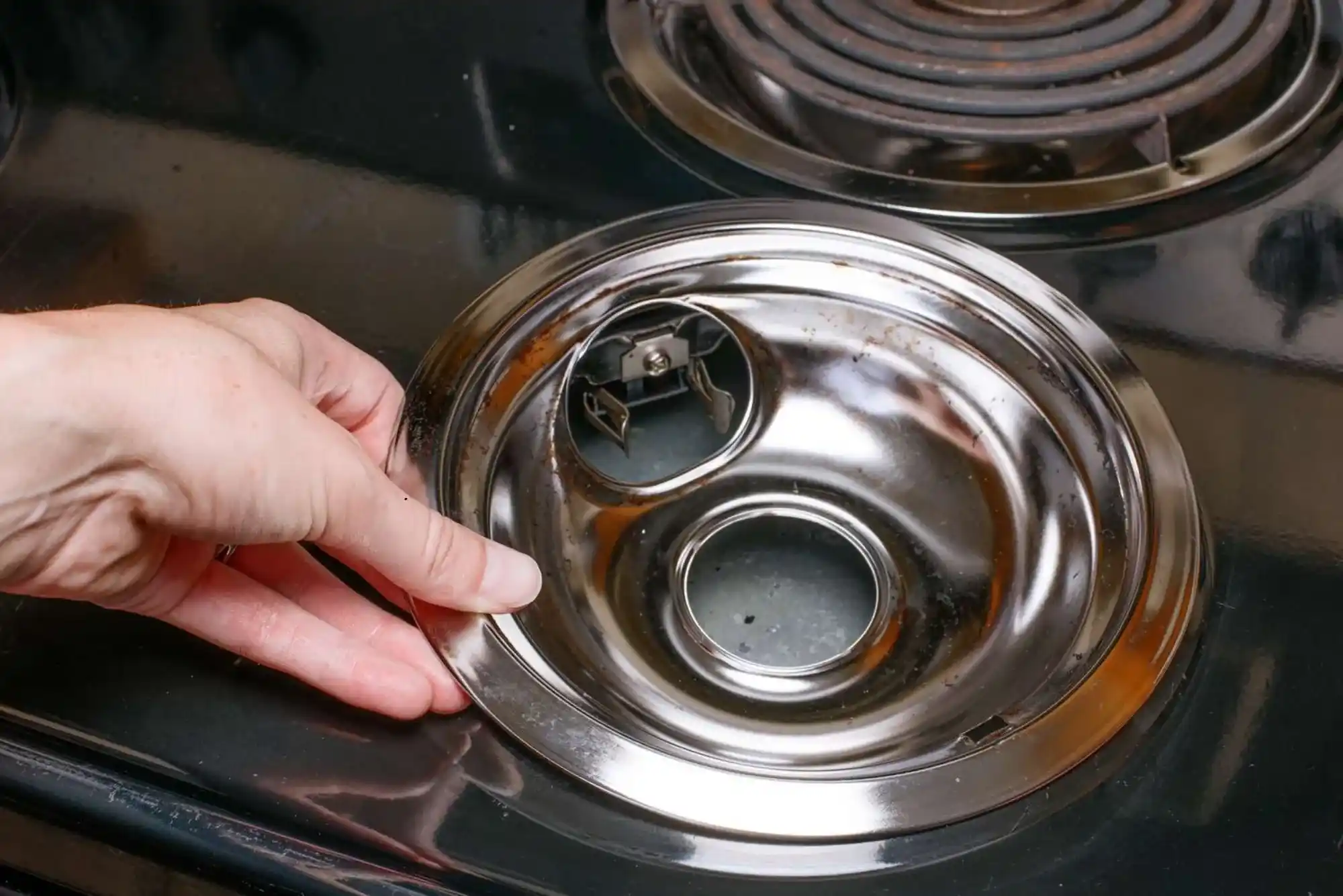
Keeping a kitchen clean is both an aesthetic choice and a hygienic necessity. Among the most neglected components of a stove are the drip pans, those small but crucial parts that sit beneath the burners. Their function is simple—catching spills, grease, and food crumbs that inevitably occur during cooking. Yet their maintenance is often overlooked until the buildup becomes stubborn, unsightly, and sometimes even a fire hazard. Learning how to clean stove drip pans thoroughly and effectively is essential for extending their life, improving the efficiency of your stove, and keeping your kitchen looking its best.
Why Stove Drip Pans Matter
Drip pans may seem like a minor accessory, but they have a significant impact on both performance and cleanliness. They prevent grease and debris from reaching the wiring or the inner mechanics of the stove, helping reduce the risk of damage. They also keep odors from lingering in your kitchen by stopping food remnants from burning repeatedly on high heat. A clean drip pan reflects a commitment to kitchen hygiene, while a neglected one can affect cooking quality and even invite pests.
Understanding the Types of Drip Pans
Before diving into cleaning methods, it’s important to understand that drip pans are not all created equal. Some are chrome-plated steel, while others are made from stainless steel or porcelain enamel. The material matters because it dictates the best cleaning techniques and products to use. Stainless steel can handle stronger scrubbing, while chrome plating may scratch if treated too aggressively. Porcelain enamel, on the other hand, requires a delicate balance since harsh abrasives may dull its shine. Identifying the type you have ensures you do not unintentionally cause permanent damage during cleaning.
Preparing for the Cleaning Process
Effective cleaning begins with proper preparation. First, safety comes before convenience. Always make sure the stove is completely turned off and cool to the touch before you begin. Remove the burners carefully, taking note of how they are connected if you need to reassemble them later. Once the burners are out, the drip pans should lift out easily. If they seem stuck, avoid forcing them, as bending or warping can affect their fit. Having gloves, mild detergent, and non-abrasive cleaning tools ready will make the process smoother and safer.
Tackling Fresh Spills Versus Old Stains
Not all messes on drip pans are equal. Fresh spills are often easy to clean with simple soap and warm water. However, stains that have been baked on over weeks or months require deeper intervention. Understanding this difference allows you to adjust your approach. A quick rinse after cooking, when a spill is recent, can save hours of scrubbing later. For older stains, soaking is usually the first step, loosening stubborn residue before scrubbing begins. Patience, rather than sheer force, often yields the best results when trying to restore drip pans to their original shine.
The Role of Soaking in Cleaning
Soaking is perhaps the most underestimated step in cleaning stove drip pans. By immersing them in hot, soapy water for a few hours, you allow grease and burnt-on food to soften, making removal much easier. Some prefer adding baking soda or vinegar to the soaking solution, as these household ingredients break down grime naturally without the need for harsh chemicals. Soaking overnight is particularly effective for heavily soiled pans. Once softened, the residue is far more likely to come off with gentle scrubbing, reducing the risk of scratches or permanent damage.
Choosing the Right Cleaning Agents
The choice of cleaning solution is critical. While commercial degreasers promise quick results, they often contain strong chemicals that may not be ideal for frequent use. Natural alternatives like baking soda, vinegar, and lemon juice not only protect the finish of drip pans but also keep harsh fumes out of your kitchen. Baking soda works as a mild abrasive that lifts stains without scratching, while vinegar dissolves grease and neutralizes odors. For an eco-friendly yet powerful approach, combining the two creates a fizzing reaction that helps break down stubborn buildup.
Gentle Scrubbing for Lasting Shine
Once drip pans have soaked, the next step is scrubbing. The temptation to use steel wool or metal brushes is understandable, especially with tough stains, but these tools can permanently scar the surface. Instead, opt for non-abrasive scrub pads or soft-bristled brushes. If stains persist, re-soak rather than increase pressure. Consistent gentle cleaning not only protects the finish but also makes the next round of maintenance easier. Think of drip pan cleaning as a marathon, not a sprint; patience preserves both the pans and your energy.
The Importance of Rinsing and Drying
After scrubbing, a thorough rinse is essential to remove soap, loosened grease, or residual cleaning agents. Leaving even a thin film of detergent can cause discoloration when exposed to heat later. Equally important is drying. Air-drying may leave water spots, while wiping with a clean microfiber cloth ensures a polished look. Moisture trapped beneath burners can also contribute to rust or corrosion over time, so ensuring pans are fully dry before reassembly is crucial for long-term durability.
Preventive Care for Drip Pans
Cleaning does not end once drip pans are spotless; preventive care is the key to keeping them that way. A simple routine of wiping pans weekly, even if no visible spills occur, helps prevent buildup. Some people choose to line their drip pans with aluminum foil, but this is not always recommended, as it may interfere with heat distribution. Instead, focus on mindful cooking habits such as wiping spills immediately and covering pots to reduce splatter. Small adjustments can drastically reduce how often deep cleaning is needed.
When Replacement Becomes Necessary
Despite the best care, drip pans do not last forever. Continuous exposure to high heat and corrosive spills eventually wears them down. If you notice rust, deep discoloration, or warping that prevents a proper fit, replacement may be the most practical option. Fortunately, drip pans are relatively inexpensive and easy to find in most hardware stores or online. Knowing when to replace them not only keeps your stove looking fresh but also ensures safety, as damaged pans may fail to contain spills effectively.
Common Mistakes to Avoid
Many well-intentioned cleaning attempts result in damage simply because of avoidable mistakes. Using bleach, for instance, may discolor or weaken the finish. Scraping with knives or hard tools often leaves permanent scratches that trap dirt more easily in the future. Another mistake is skipping the soaking step, which leads to unnecessary scrubbing and potential frustration. Finally, reassembling pans while still damp can lead to rust or electrical issues. Awareness of these pitfalls makes the cleaning process smoother and more successful.
The Connection Between Clean Drip Pans and Kitchen Aesthetics
A sparkling clean stove has an undeniable effect on the overall feel of a kitchen. Even if counters and appliances are spotless, dirty drip pans can ruin the impression. On the other hand, gleaming pans give the stove a like-new appearance, often surprising guests or family members who may not even notice the pans consciously but feel the difference subconsciously. For homeowners who take pride in their kitchen, this detail adds a level of refinement that enhances both appearance and function.
Encouraging a Cleaning Habit
While it is easy to let stove drip pans slide down the priority list, building a cleaning habit ensures they never reach an unmanageable state. Incorporating a quick wipe-down into your cooking routine requires only minutes but saves hours of effort later. Viewing the process as maintenance rather than a chore can shift the perspective. Over time, this habit becomes second nature, making deep cleaning sessions less frequent and much easier when they are necessary.
Final Thoughts on Stove Drip Pan Care
The task of cleaning stove drip pans may seem minor, but it is one of those details that make a large difference in the long run. A clean drip pan supports hygiene, improves cooking efficiency, enhances safety, and elevates the overall look of a kitchen. By approaching the process thoughtfully—identifying the type of pan, preparing properly, soaking patiently, and scrubbing gently—you not only restore them to their best condition but also set the foundation for easier upkeep in the future. Whether you choose natural cleaning solutions or commercial products, the goal remains the same: a clean, safe, and inviting kitchen environment.