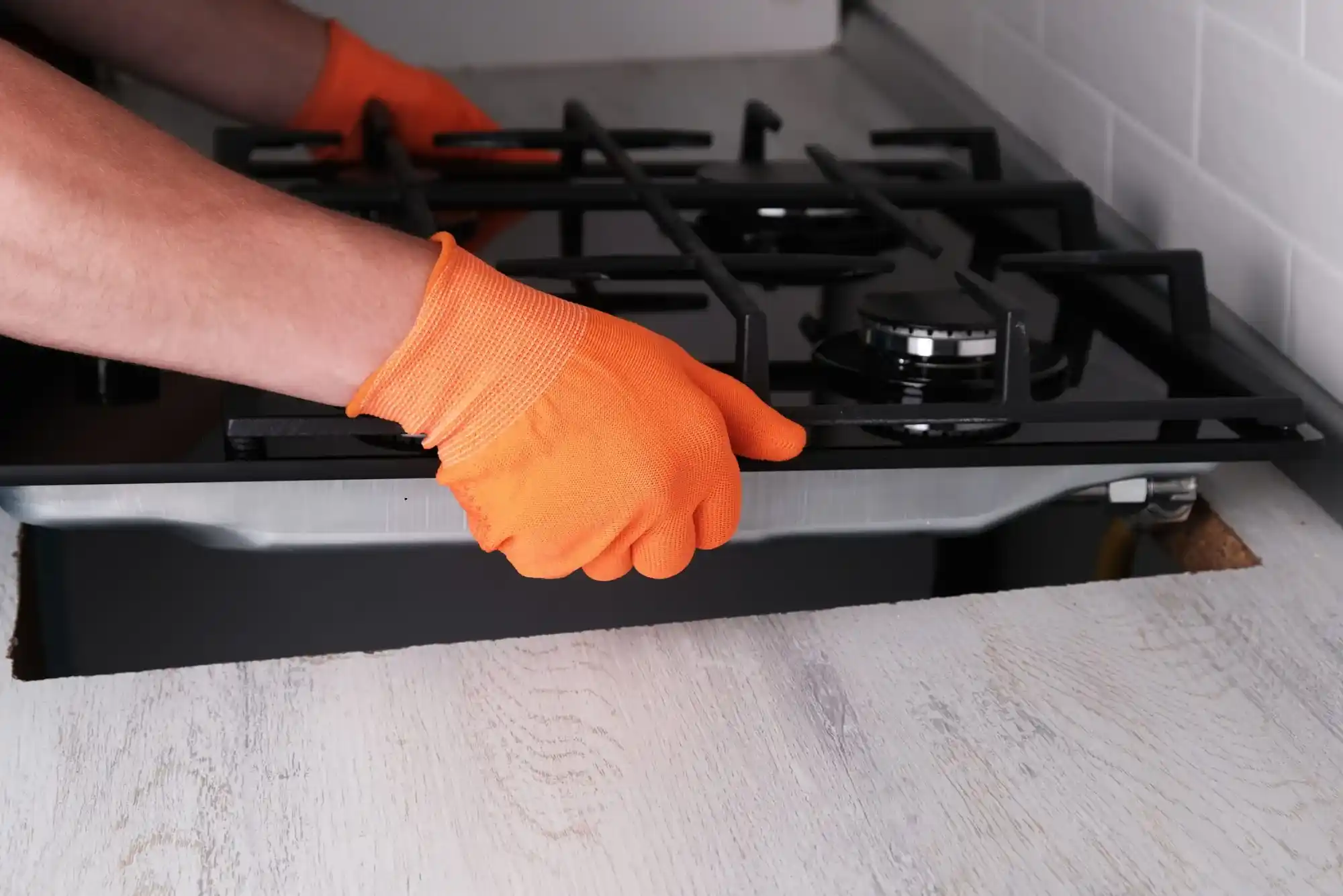
A stove is one of the most essential appliances in any home, serving as the central point for preparing meals, heating, and often bringing family and friends together. Despite its importance, many homeowners underestimate the critical role proper stove installation plays in ensuring safety, energy efficiency, and long-term functionality. While it may seem as simple as connecting a few pipes or plugging in a power source, stove installation involves much more. From ventilation requirements and compliance with local codes to preventing potential hazards like gas leaks or electrical fires, installation quality determines not only the stove’s performance but also the safety of the household.
Why Stove Installation Matters Beyond Convenience
Installing a stove correctly is not only about making it operational but also about minimizing risks. Improper setup can lead to harmful gas leaks, poor combustion, excessive energy use, or fire hazards. For gas stoves, faulty connections may cause carbon monoxide to build up, posing life-threatening dangers to occupants. Electric stoves that are incorrectly wired may short-circuit, damage internal components, or cause sparks that ignite nearby materials. A properly installed stove reduces these risks and ensures that the appliance works at its intended efficiency, consuming less energy while producing consistent heat output.
Beyond safety, proper installation also protects the investment homeowners make in purchasing a stove. A modern stove, whether gas or electric, can be a significant expense. Poor installation shortens its lifespan, often leading to early breakdowns, costly repairs, or even the need for replacement. By contrast, a stove installed with precision will function smoothly for years, offering reliable performance and lowering maintenance expenses.
The Role of Ventilation in Safe Stove Operation
One of the most overlooked aspects of stove installation is ventilation. Adequate airflow is essential to maintaining a safe cooking environment, particularly for gas stoves that release combustion byproducts such as carbon monoxide and nitrogen dioxide. Without proper ventilation, these gases can accumulate indoors, leading to poor air quality and potential health issues for residents.
Professional installers ensure that vent hoods, ducts, or chimneys are positioned correctly to draw smoke, steam, and fumes out of the kitchen efficiently. Even electric stoves benefit from proper ventilation, as cooking produces grease particles, odors, and heat that should be directed away from the living space. Correctly designed ventilation systems not only safeguard health but also protect walls, ceilings, and cabinets from long-term smoke and moisture damage.
Compliance with Building Codes and Manufacturer Standards
Another reason stove installation should be handled with care is compliance with local building codes and manufacturer requirements. Most municipalities enforce safety codes that dictate how appliances like stoves must be installed, especially when dealing with gas lines or high-voltage electrical wiring. Ignoring these rules not only endangers safety but can also result in fines, failed inspections, or voided insurance claims in the event of an accident.
Manufacturers also provide specific installation guidelines to ensure optimal performance of their appliances. These instructions typically include clearance distances, voltage requirements, or gas line specifications. Deviating from these directions risks damaging the stove or reducing its efficiency. Professional installation guarantees that both code and manufacturer standards are met, giving homeowners peace of mind that their stove is operating under safe and approved conditions.
Preventing Gas Leaks and Fire Hazards
The most significant risks associated with improper stove installation are gas leaks and fires. For gas stoves, even a small leak can allow dangerous levels of natural gas or propane to accumulate indoors. This not only poses an explosion hazard but can also cause poisoning if inhaled over time. Qualified technicians use specialized tools and testing equipment to detect leaks and confirm that all seals and fittings are secure.
With electric stoves, improper wiring or inadequate circuit capacity can lead to overheating. This creates a fire risk, especially if the stove shares a circuit with other high-powered appliances. Proper installation involves checking the home’s electrical system to confirm that it can safely handle the stove’s power demands, as well as securing all wiring connections to prevent shorts or sparks.
Enhancing Energy Efficiency and Performance
A stove’s performance is directly tied to how well it is installed. Gas burners that are misaligned or poorly connected may deliver uneven flames, wasting fuel and making cooking less predictable. Similarly, electric stoves require precise leveling and secure electrical connections to provide stable and even heating.
Proper installation also ensures that the stove operates at maximum efficiency, which translates into lower utility bills over time. Gas stoves that burn fuel completely and electric stoves that distribute power evenly reduce energy waste while offering a better cooking experience. For households looking to minimize their environmental footprint, ensuring correct installation is a straightforward step toward sustainability.
Longevity and Maintenance Benefits
A correctly installed stove experiences less strain during operation, which extends its service life. Loose connections, unstable positioning, or improper airflow place unnecessary stress on internal components. Over time, these issues can lead to premature wear and breakdowns. Professional installation reduces these risks, preserving the appliance for longer use.
Moreover, proper installation makes future maintenance easier. Service technicians can more readily access parts for cleaning or repairs when the stove has been positioned and connected correctly from the start. This reduces labor costs and downtime when servicing becomes necessary, allowing homeowners to enjoy their stove without constant disruptions.
Professional Installation Versus DIY Efforts
In an era of online tutorials and do-it-yourself culture, many homeowners consider installing their own stoves to save money. While this may work for simple electric plug-in models, most stoves involve complex connections that require technical expertise. Gas lines, ventilation systems, and high-voltage wiring are areas where mistakes can have serious consequences.
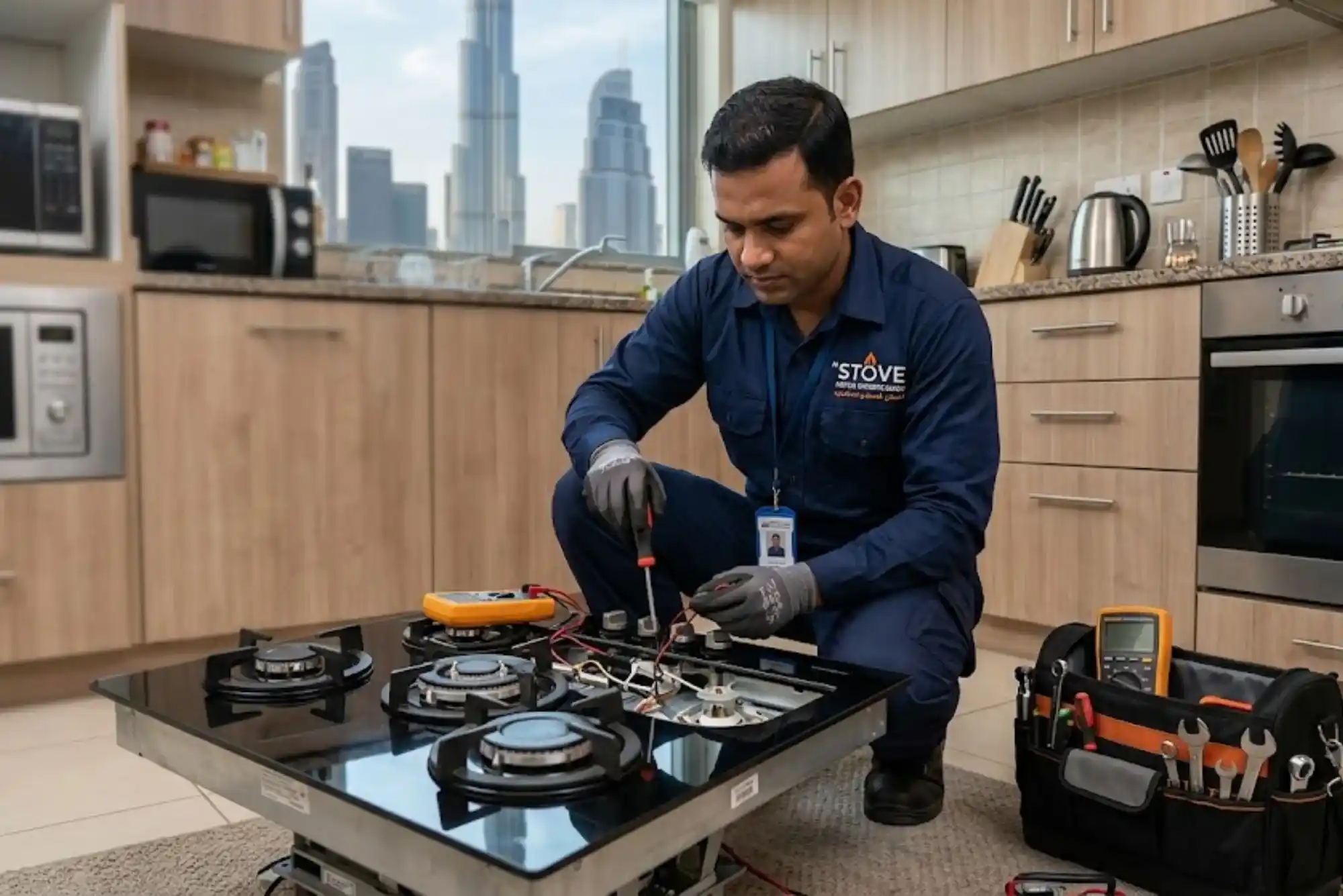
Professional installers bring specialized knowledge, experience, and tools to the job. They know how to test for leaks, balance airflow, and confirm that the home’s infrastructure can handle the new appliance. Beyond safety, professional installation often comes with warranties or guarantees, protecting homeowners if issues arise later. In contrast, DIY installations carry risks of hidden errors that may not show up immediately but can lead to dangerous situations over time.
The Impact on Home Value and Insurance
Proper stove installation can also influence a home’s market value and insurance coverage. Home buyers often pay attention to the quality of kitchen appliances and their installation. A professionally installed stove signals to potential buyers that the property has been well maintained, potentially increasing its appeal.
From an insurance perspective, improper installation may leave homeowners unprotected. Many insurance providers require proof of professional installation for appliances connected to gas or electrical systems. If an accident occurs due to a faulty DIY installation, claims may be denied, leaving homeowners to cover damages out of pocket. By ensuring proper installation, homeowners safeguard both their property’s value and their financial protection.
A Small Step With Major Benefits
The importance of proper stove installation cannot be overstated. It is a step that directly impacts safety, efficiency, durability, and even the value of a home. While it may be tempting to cut corners by attempting a DIY approach, the risks far outweigh the short-term savings. A professionally installed stove offers peace of mind, ensuring that cooking remains a safe, efficient, and enjoyable activity for years to come.
Every homeowner who invests in a stove also invests in the well-being of their household. Ensuring that the installation is performed correctly is not just a technical necessity—it is a commitment to safety, sustainability, and comfort. By prioritizing proper installation, families can protect their loved ones, preserve their appliances, and enjoy the everyday benefits of reliable cooking with confidence.