Cooking is one of the most enjoyable activities at home, but it can quickly turn frustrating if your oven fails to maintain the right temperature. An oven that runs too hot or too cold disrupts recipes, causes undercooked or burnt food, and leads to a lot of wasted time and energy.
Temperature inconsistencies in ovens are a common issue in households and commercial kitchens alike, and while some problems can be resolved with a few adjustments, others may require professional attention. Understanding the possible causes and effective troubleshooting methods can save you money on unnecessary replacements and keep your kitchen running smoothly.
Understanding How an Oven Maintains Temperature
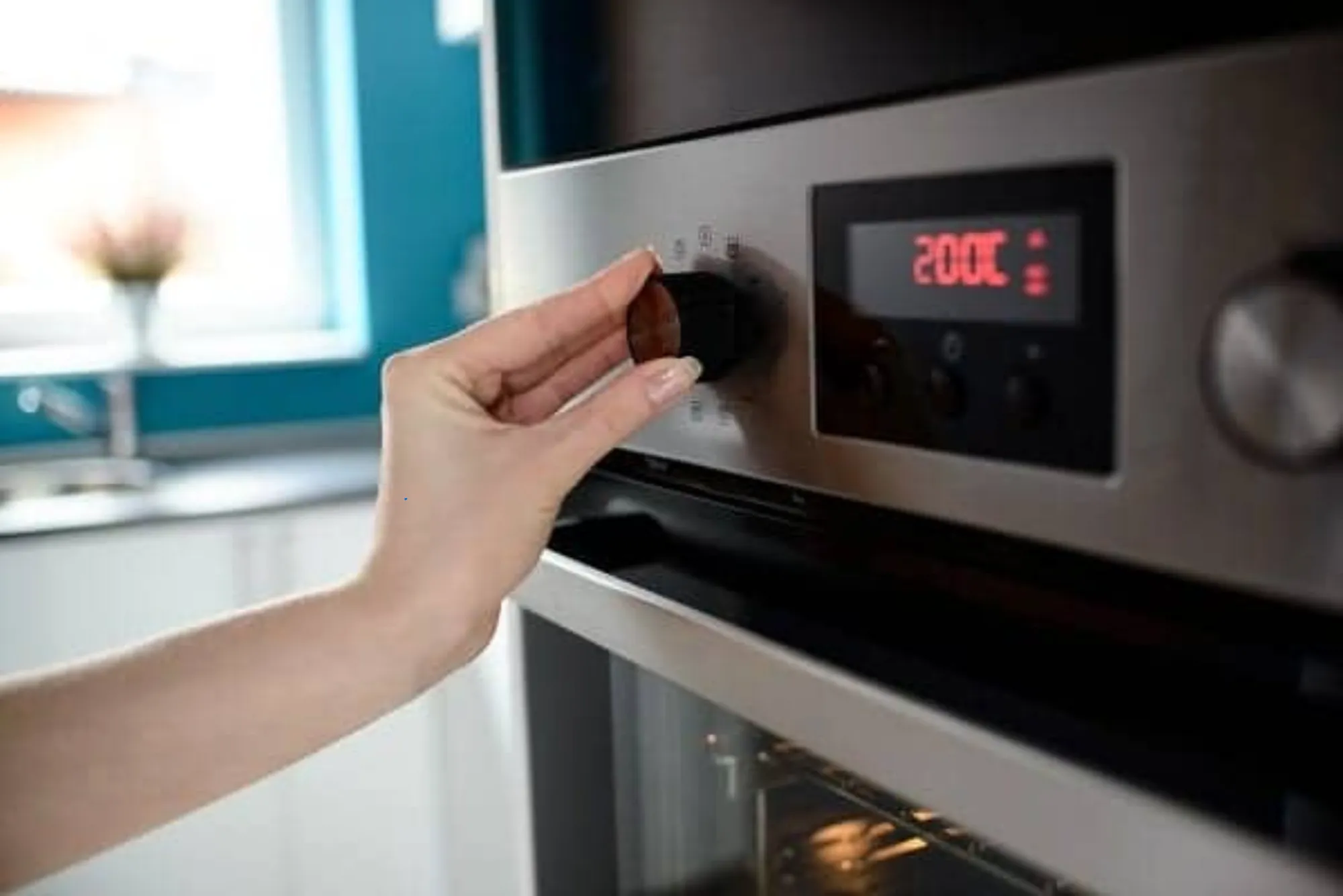
Modern ovens use a thermostat or electronic control board to regulate internal temperature. When you set a temperature, the sensor measures the heat level inside the oven and signals the heating element or burner to cycle on and off to maintain consistency. If any component in this cycle malfunctions, the oven may heat unevenly or fail to reach the desired temperature. Both gas and electric ovens are vulnerable to temperature problems, though the sources of issues may vary depending on the type of appliance.
Common Causes of Oven Temperature Inconsistencies
The most frequent cause of an oven not heating correctly is a faulty temperature sensor or thermostat. In electric ovens, heating elements may wear out over time, leading to uneven distribution of heat. Gas ovens may face burner or ignition problems that disrupt the steady supply of heat.
Another common culprit is the oven door seal. If the gasket is damaged or worn out, heat escapes during cooking, preventing the oven from maintaining the proper temperature. Additionally,Post Category, control boards or calibration settings can drift from accuracy, requiring either recalibration or replacement.
Testing the Accuracy of Your Oven
Before jumping to conclusions, it’s important to test your oven’s actual performance. A simple way to do this is with an oven thermometer, placed on the middle rack. Preheat your oven to a specific temperature and monitor whether the internal reading matches the set temperature. If you notice significant discrepancies, repeat the process a few times to confirm whether the inconsistency persists. A deviation of 10 to 15 degrees is normal, but anything greater than that indicates a problem.

The Role of Calibration
Most ovens allow calibration adjustments to correct minor inaccuracies. If your oven is consistently off by a predictable margin, adjusting the calibration settings can help restore accurate performance. This process is typically outlined in the user manual, but it often involves pressing a combination of buttons on the control panel or turning a small screw behind the temperature dial. Calibration should only be attempted for minor issues; if your oven is showing extreme temperature variations, it is usually a sign of a deeper problem that requires repair.
When the Heating Element Fails
For electric ovens, the heating elements are critical for consistent cooking. A damaged or burned-out element often results in one side of the oven heating faster than the other, leading to uneven baking. If food is burning on one side while remaining undercooked on the other, inspecting the heating elements for visible cracks or breaks is essential. In many cases, replacing the element is the most effective solution. This repair can sometimes be done at home, but professional help ensures safety and proper installation.
Gas Oven Burner Issues
Gas ovens rely on a burner and ignition system to create consistent heat. If the burner ports are clogged, the flame may be uneven, leading to irregular cooking results. In some cases, the igniter may be weak or failing, causing delays in heating or uneven temperature regulation. Since gas appliances involve fuel lines and combustion, repairs should be handled by trained professionals to avoid safety hazards.
The Importance of the Temperature Sensor
The temperature sensor, usually located at the back of the oven, constantly monitors internal heat levels. If it malfunctions, it may send incorrect signals to the control board, resulting in the oven overheating or underheating. Sometimes, the sensor becomes displaced and touches the oven wall, giving false readings. Adjusting its position can resolve the problem, but if the sensor is faulty, replacement is necessary. Technicians use diagnostic tools to verify whether the sensor is providing accurate resistance readings, ensuring proper functionality.
Oven Door Seals and Heat Loss
Even a perfectly functioning oven will struggle if heat is escaping through a damaged door seal. The gasket should form a tight closure when the oven is shut, keeping heat contained. Over time, seals may crack, loosen, or flatten, allowing warm air to escape and cold air to enter. Replacing the door gasket is a relatively simple fix that restores the oven’s efficiency and ensures food cooks evenly.
Electronic Control Board Malfunctions
In modern ovens, electronic control boards act as the brain of the appliance, interpreting signals from the temperature sensor and controlling the heating cycles. If the control board malfunctions, it can cause erratic heating behavior. Since replacing a control board involves handling electrical components and programming, professional service is usually required.
The Impact of Regular Maintenance
Like all home appliances, ovens perform best when maintained regularly. Cleaning debris from burners, inspecting heating elements, and ensuring that door seals remain intact are small steps that prevent major breakdowns. Avoiding heavy grease buildup also prevents blockages that interfere with airflow and heat distribution. By scheduling regular professional maintenance, homeowners can extend the lifespan of their ovens and avoid costly replacements.
When to Call a Professional Repair Service
Some troubleshooting steps, such as testing with an oven thermometer or replacing a door seal, can be performed by homeowners. However, when dealing with electrical wiring, gas lines, or internal components, professional help is essential. Trained technicians not only diagnose the issue accurately but also perform repairs safely. Attempting DIY repairs without proper knowledge can worsen the damage or create safety risks. If your oven consistently fails to hold the correct temperature despite basic troubleshooting, professional repair is the best solution.
Professional Oven Repair in Dubai
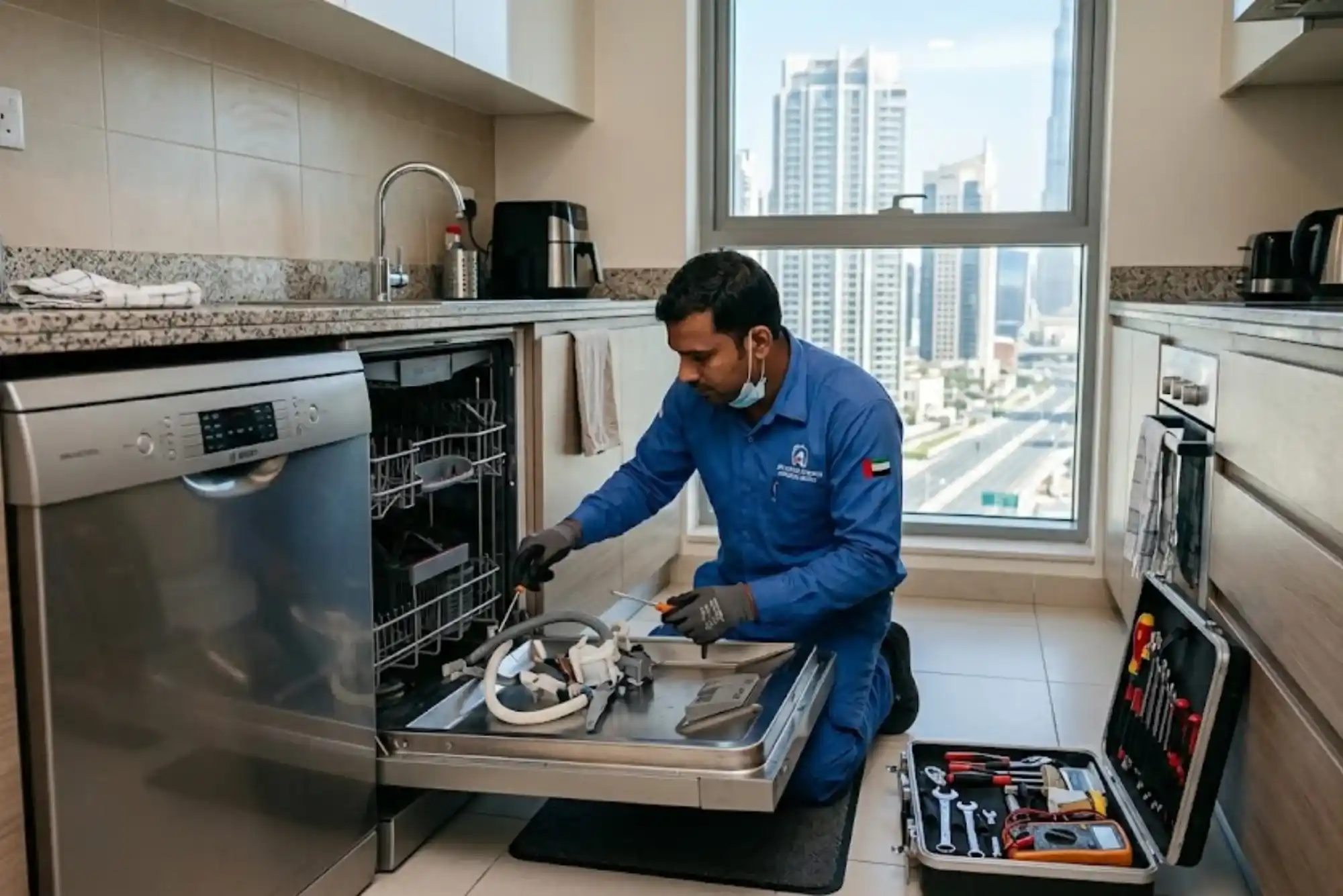
For households and businesses, a malfunctioning oven disrupts daily life and kitchen operations. If you live in Dubai, professional appliance repair services are available to restore your oven to peak performance. Local technicians are trained to handle both gas and electric ovens, offering diagnostic checks, part replacements, and long-term solutions. Choosing a reliable repair service ensures that your oven not only reaches the correct temperature but also operates safely and efficiently for years to come.
Extending the Life of Your Oven
Oven repairs are not just about fixing current problems; they are also about preventing future issues. By paying attention to signs of trouble early—such as uneven cooking, extended preheating times, or unusual smells—you can take corrective action before a full breakdown occurs. Regular servicing, along with responsible usage practices like avoiding slamming the door and not overloading racks, contributes to a longer appliance lifespan.
Oven temperature inconsistencies are frustrating, but they are also manageable with the right knowledge and approach. From faulty sensors and heating elements to worn-out door seals and control board failures, several factors can affect oven performance. Homeowners can perform basic tests to identify the problem, but many repairs require professional intervention to guarantee accuracy and safety.
Whether it’s recalibrating your oven or replacing major components, timely action ensures that your appliance continues to deliver reliable cooking results. If you are facing persistent oven issues, contacting a trusted appliance repair service is the most effective way to restore your kitchen’s efficiency and enjoy hassle-free cooking once again.