A dishwasher is one of the most reliable appliances in a modern kitchen, designed to save time and effort while ensuring dishes remain sparkling clean. One of the most important yet often overlooked components inside a dishwasher is the detergent dispenser. This small compartment plays a critical role in the cleaning cycle, releasing detergent at the right time to guarantee optimal washing results. However, when the dispenser gets jammed, the appliance fails to work effectively, leaving dishes dirty and detergent residue unused. Understanding how to fix dishwasher detergent dispenser jams is essential not only for maintaining hygiene but also for extending the lifespan of the machine.
Understanding the Role of the Detergent Dispenser
The detergent dispenser is usually located on the inner door of the dishwasher. It consists of a compartment with a spring-loaded door or lid that opens during the wash cycle to release detergent. Depending on the dishwasher’s design, it may also include a smaller section for rinse aid. When working properly, the dispenser opens at the correct point in the cycle, allowing detergent to mix with water and dissolve completely.
If the dispenser becomes jammed or fails to open, detergent remains trapped inside, leading to poorly cleaned dishes, streaks on glassware, and wasted detergent. This problem can arise from various mechanical issues, buildup of residue, or even worn-out parts.
Common Causes of a Jammed Detergent Dispenser
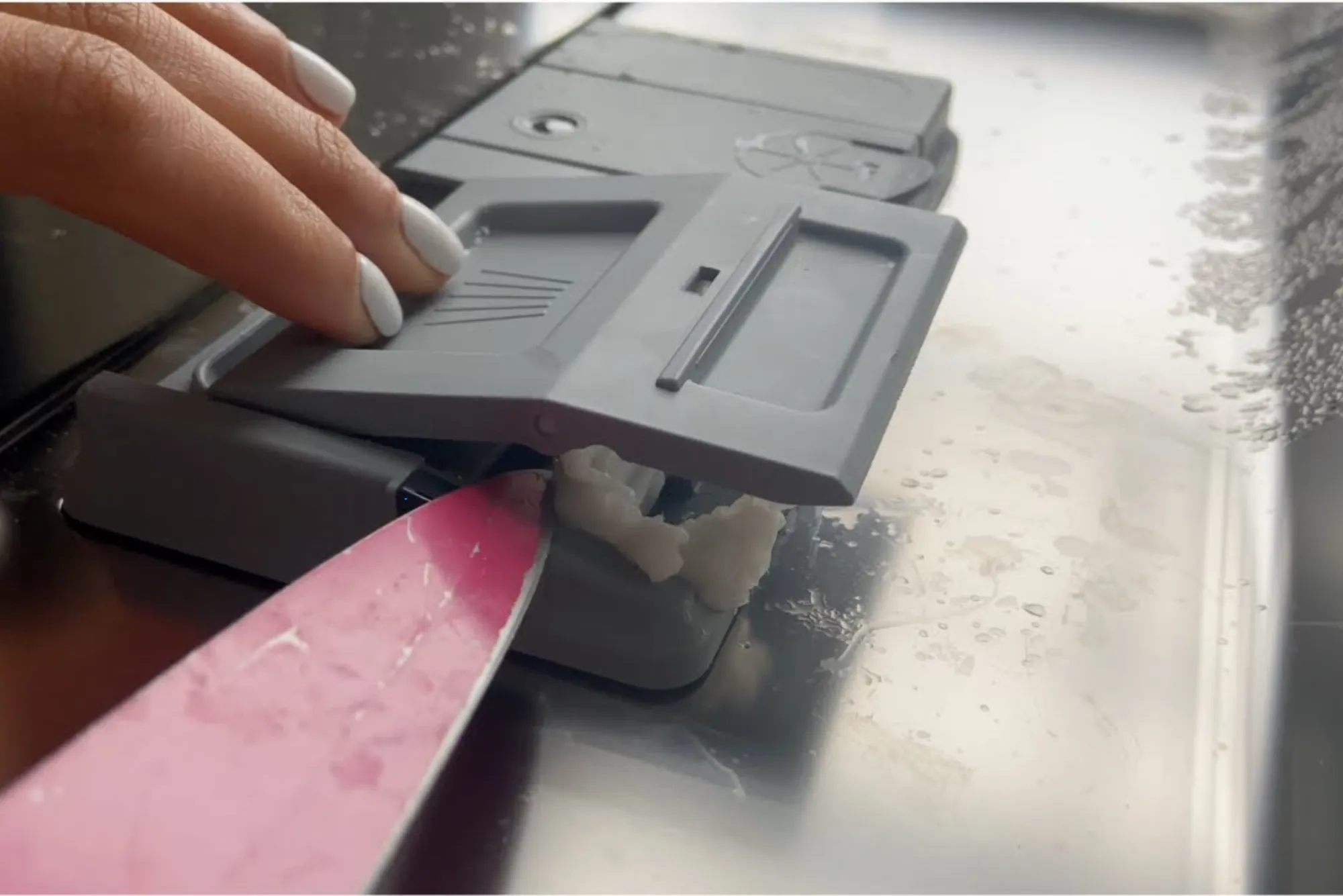
A detergent dispenser jam does not occur randomly; it typically results from specific issues inside the appliance. One common cause is detergent residue buildup. Powder or tablet detergents may clump together when exposed to moisture, hardening inside the compartment and preventing the lid from opening. Grease, food particles, or soap scum may also accumulate around the latch, creating resistance.
Mechanical wear and tear is another frequent reason. The spring that operates the lid may weaken over time, making it difficult for the dispenser to function properly. Hinges and plastic components may also crack or warp, leading to a faulty door mechanism. Additionally, a malfunctioning timer, control board, or wax motor—the component responsible for triggering the dispenser—may prevent the door from releasing at the correct time.
Incorrect loading of dishes can also contribute to dispenser jams. Large pots, pans, or utensils placed in front of the dispenser may physically block the door, stopping it from opening fully during the cycle. Using the wrong type of detergent or overfilling the compartment can also place unnecessary stress on the mechanism.
Steps to Troubleshoot and Fix the Issue
When faced with a jammed detergent dispenser, homeowners should start with basic troubleshooting. The first step is to check for physical obstructions. Ensure that no large dishes, trays, or utensils are blocking the dispenser door. Reloading the dishwasher correctly often solves the issue without requiring further intervention.
Next, inspect the dispenser for residue buildup. If detergent is caked around the door, latch, or hinges, it must be cleaned thoroughly. Warm water, a mild detergent, and a soft brush are usually enough to dissolve hardened detergent or food particles. Regular cleaning prevents clogs and helps the mechanism move freely.
If cleaning does not resolve the problem, examining the mechanical components is necessary. The spring should be checked to see if it is intact and capable of providing sufficient tension. A broken or weakened spring requires replacement. Similarly, damaged latches or hinges may need new parts. Homeowners comfortable with DIY repairs can order compatible replacement components based on their dishwasher’s model number.
Electrical or control-related issues may require more technical expertise. The dispenser is often connected to a wax motor or solenoid, which receives signals from the control board. If these parts are malfunctioning, the dispenser may not open at the right time. Testing these components usually involves using a multimeter, which may be challenging for those unfamiliar with appliance repair. In such cases, seeking professional assistance ensures accurate diagnosis and proper repairs.
Importance of Regular Maintenance
Preventing detergent dispenser jams is often easier than fixing them. Regular maintenance is key to keeping the appliance in top condition. Homeowners should make it a habit to clean the dispenser regularly, wiping away any detergent residue after each wash cycle. Using high-quality detergents also reduces the risk of clumping and residue buildup.
Ensuring proper dishwasher loading practices can also prevent jams. Always avoid placing large pots or trays directly in front of the dispenser. Instead, load items strategically, leaving enough clearance for the door to open freely. Following the manufacturer’s guidelines on detergent type and quantity is equally important. Overfilling the dispenser not only causes jams but may also lead to inefficient cleaning results.
Running an occasional cleaning cycle with a dishwasher cleaner helps eliminate grease, mineral deposits, and food particles from the entire system, reducing the chances of dispenser problems. Regular inspection of the gasket around the dispenser door is also necessary since a worn or damaged seal may cause the lid to stick.
When to Call a Professional
While minor dispenser jams can often be resolved with cleaning and adjustments, some problems require professional intervention. If the dispenser consistently fails to open even after cleaning and checking for obstructions, the issue may be electrical or related to the dishwasher’s control system. In such cases, repairing or replacing components like the wax motor or electronic control board is best left to a skilled technician.
Attempting complex repairs without the right expertise may not only cause further damage but also void the appliance’s warranty. A professional appliance repair service can provide a thorough diagnosis, use the right replacement parts, and restore the dishwasher to optimal performance quickly and safely.
Long-Term Benefits of Fixing the Dispenser
Ignoring a jammed detergent dispenser may seem like a minor inconvenience, but it can lead to long-term consequences. Dishes that are not properly cleaned harbor bacteria and food residues, posing hygiene concerns. The appliance may also consume more energy and water as cycles may need to be repeated for satisfactory cleaning. Over time, neglecting dispenser issues can result in further damage to other dishwasher components, leading to more costly repairs.
By addressing detergent dispenser jams promptly, homeowners not only ensure cleaner dishes but also prolong the lifespan of their dishwasher. Regular maintenance combined with timely professional repair prevents recurring issues and guarantees consistent cleaning performance.
The detergent dispenser may appear to be a small component, but it plays a vital role in a dishwasher’s functionality. When jams occur, they disrupt the cleaning cycle and compromise efficiency. Fortunately, with proper care, cleaning, and occasional repairs, most dispenser issues can be resolved without significant expense. Understanding the causes, troubleshooting steps, and knowing when to seek professional help are all crucial in maintaining a reliable and efficient dishwasher.