A dishwasher is one of the most convenient appliances in any home, saving countless hours of manual dishwashing. Like any machine, it relies on several components working together to function properly. One of the lesser-known but critical parts of a dishwasher is the door spring. These springs are designed to support the door’s weight, allowing it to open and close smoothly without slamming or feeling too heavy.
When the springs wear out or break, the dishwasher door may suddenly drop or become difficult to lift, creating both safety concerns and inconvenience in everyday use. Understanding how to replace dishwasher door springs correctly can save you from costly repairs, extend the lifespan of your appliance, and restore its smooth functionality.
Replacing door springs might sound like a simple task, but it requires careful handling, knowledge of the dishwasher’s design, and a clear step-by-step approach. In this detailed guide, you will learn the importance of dishwasher door springs, signs of wear and failure, preparation before replacement, the full replacement process, and professional safety measures to ensure the job is done effectively.
The Role of Door Springs in a Dishwasher
The dishwasher door is heavier than it appears, especially when combined with racks and insulation. Door springs counterbalance this weight by applying controlled tension, ensuring the door moves fluidly. When you open the door, the springs prevent it from falling abruptly, and when you close it, they reduce the effort required by balancing resistance. Without properly functioning springs, every action of opening or shutting the dishwasher door can feel unsafe and clumsy.
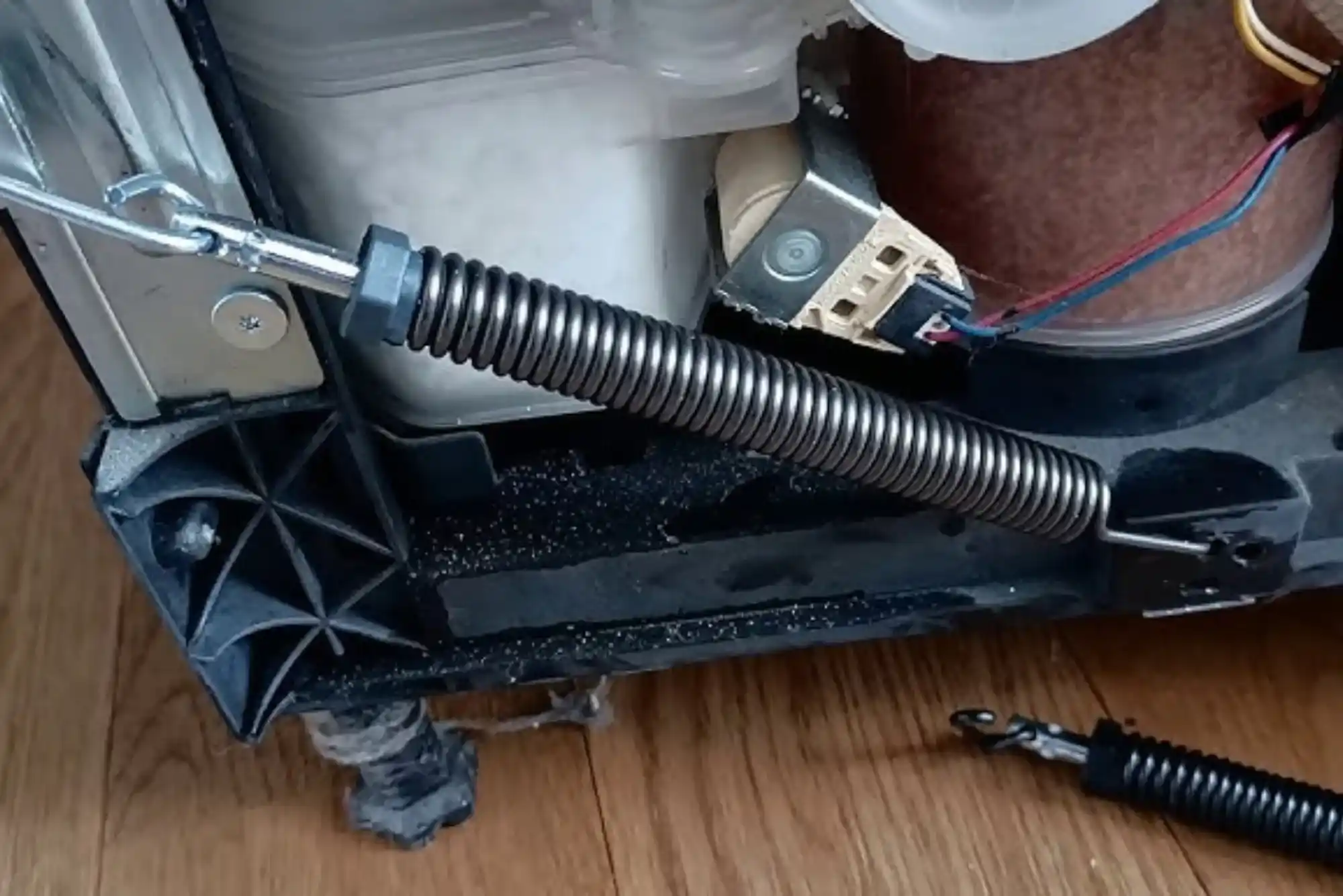
Springs are usually connected to cables and pulleys located at the bottom of the appliance. These small but vital components ensure the right amount of tension is applied every time the door moves. Since they are constantly under pressure, springs can stretch, wear down, or break over time, requiring replacement to restore proper operation.
Common Signs That Dishwasher Door Springs Need Replacement
Understanding when to replace dishwasher door springs is as important as knowing how to replace them. Faulty springs often reveal themselves through noticeable changes in the way the door behaves. If the door suddenly feels unusually heavy or slams down when opened, it is a strong indicator that the springs are no longer holding their tension. On the other hand, if the door refuses to stay open or requires force to pull down, the springs may be stretched unevenly.
In some cases, you may even hear metallic snapping or clicking sounds from the bottom of the dishwasher, suggesting that one of the springs has broken entirely. Another clear symptom is uneven door movement—when one side of the dishwasher door seems balanced while the other side drops faster. This usually happens when only one of the two springs has failed. If you notice these signs, replacing the springs promptly prevents additional stress on hinges and cables, avoiding further damage.
Preparing for Dishwasher Door Spring Replacement
Before starting the replacement, it is crucial to prepare properly to avoid complications. First, ensure the dishwasher is disconnected from its power supply. Working on any appliance without cutting off electricity poses serious risks of shocks and injuries. If your dishwasher is hardwired, turn off the circuit breaker dedicated to the appliance. If it has a plug connection, unplug it directly from the wall socket.
Next, disconnect the water supply if the replacement process requires pulling the dishwasher out of its enclosure. Many dishwashers are installed tightly beneath kitchen counters, and accessing the springs often means sliding the unit out. For this, you may need to remove mounting screws from the brackets securing the appliance to the countertop. Having the right tools at hand—such as screwdrivers, pliers, and protective gloves—ensures the process goes smoothly without unnecessary delays.
Another essential preparation step is obtaining the correct replacement springs. Not all springs are universal; their size, tension level, and compatibility vary depending on the dishwasher model. Refer to your dishwasher’s manual or search for model-specific parts to ensure you purchase the right components. Using incorrect springs may create more damage or result in an improperly balanced door.
Step-by-Step Guide to Replacing Dishwasher Door Springs
Replacing dishwasher door springs involves careful handling of components located at the bottom and sides of the appliance. Once the dishwasher is safely disconnected from power and water supply, gently pull it away from the cabinet space to expose its sides. Remove the lower access panel at the front base to get a clearer view of the springs and cables.
The springs are typically attached to the door cables running through pulleys. Begin by examining the existing setup to understand how the springs are connected. Take a photo if necessary to remember the exact alignment before removing anything. Carefully detach the worn or broken spring from both ends, paying attention to any cables that might also need adjustment.
Once the old spring is removed, install the new spring in the same configuration. Attach it to the frame and reconnect it to the door cable or bracket. Make sure the spring is properly seated to avoid slipping during operation. If your dishwasher has two springs, it is recommended to replace both simultaneously, even if only one appears faulty. Replacing springs in pairs ensures balanced tension and prevents uneven door movement.
After installing the new springs, reattach the access panel, slide the dishwasher back into position, and secure it under the countertop. Reconnect the water supply, plug the appliance back into power, or switch the circuit breaker back on. Finally, test the door by slowly opening and closing it to confirm the springs provide smooth, balanced support.
Safety Considerations During Replacement
Dishwasher door spring replacement may appear straightforward, but it involves dealing with components under tension. A spring snapping out of place can cause injury, which is why protective gloves and eye protection are advisable. Additionally, avoid forcing parts into place, as this could damage the cable system or cause misalignment.
Handling the dishwasher itself also requires care. Pulling the appliance out of its enclosure should be done gently to avoid damaging flooring, water lines, or electrical connections. If the dishwasher is heavy or tightly fitted, having an extra pair of hands makes the job safer and easier.
Another important safety measure is ensuring the appliance is level after being pushed back into place. An unbalanced dishwasher can lead to leaks or uneven operation, so always check alignment before tightening mounting screws.
When to Call a Professional for Dishwasher Spring Replacement
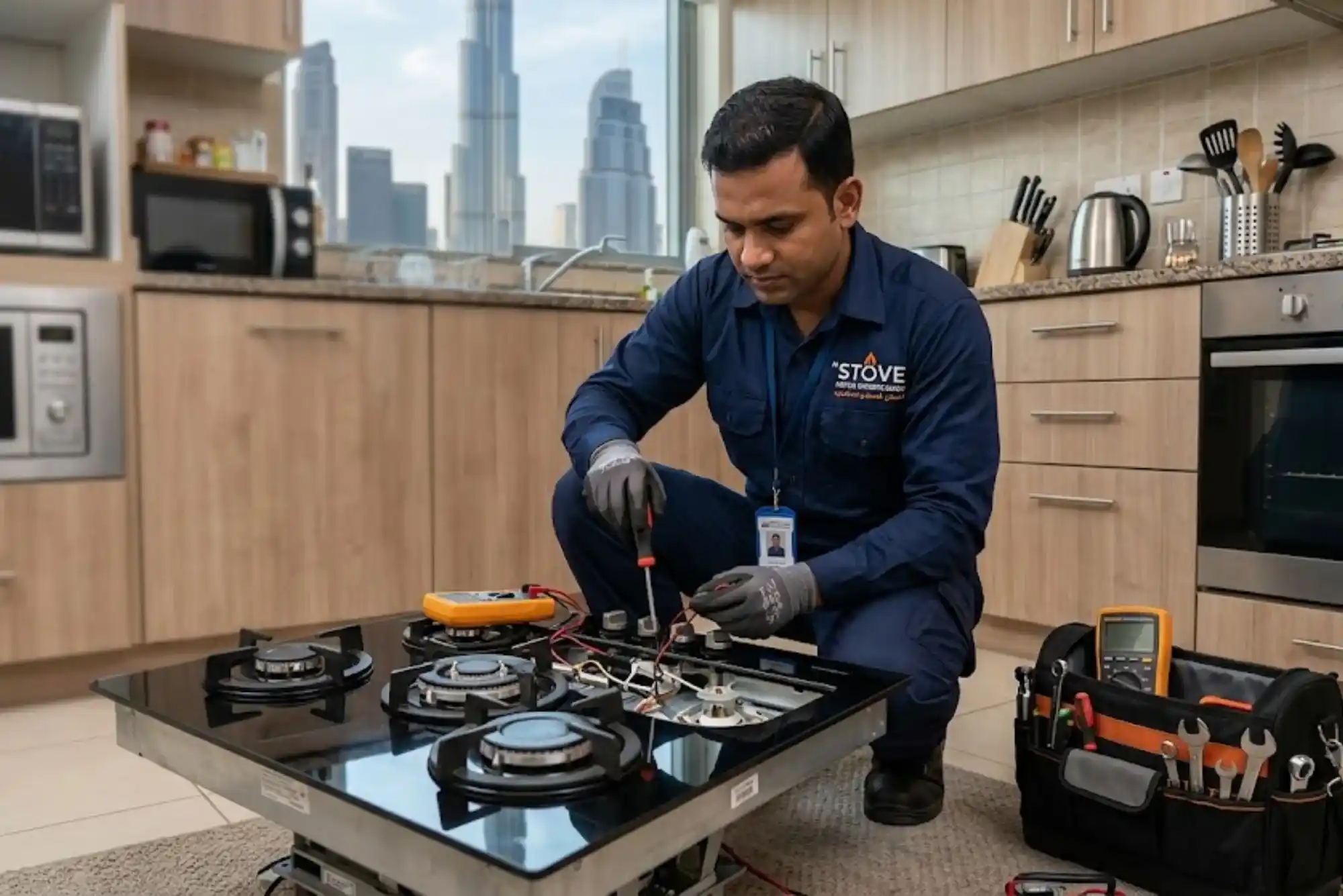
While many homeowners with basic mechanical skills can replace dishwasher door springs themselves, not every situation is suitable for DIY repair. If your dishwasher is built into cabinetry with complex connections or if the springs are part of a more intricate cable and pulley system, professional service may be the safer choice.
Calling a technician is also recommended if additional damage is suspected. Sometimes, broken springs place extra strain on hinges, brackets, or cables. A professional repair service can inspect the entire system, replace all necessary components, and ensure everything is adjusted correctly.
For busy households, professional repairs also save time and provide peace of mind that the dishwasher will be restored to full working order without complications.
Extending the Life of Your Dishwasher After Spring Replacement
Once the springs are replaced, maintaining your dishwasher properly can help extend the life of both the new parts and the entire appliance. Always open and close the door gently, avoiding unnecessary force. Regularly check for unusual noises, uneven movement, or signs of wear in the cables and hinges.
Cleaning the dishwasher’s base area occasionally can prevent debris from interfering with the spring mechanism. Additionally, ensuring the appliance remains level avoids uneven tension on the springs, reducing the chances of premature wear. By combining proper maintenance with timely repairs, you ensure long-term smooth operation.
Final Thoughts
Learning how to replace dishwasher door springs not only saves you money on repair costs but also gives you a deeper understanding of how your appliance works. The process requires careful preparation, the right replacement parts, and attention to safety, but the results are rewarding. A dishwasher with fully functioning door springs operates smoothly, prevents accidents, and contributes to overall convenience in your home.
For homeowners comfortable with basic repairs, following a step-by-step approach can make spring replacement a manageable task. However, when in doubt or when facing complex setups, seeking professional repair services ensures the job is completed correctly. Whether handled on your own or by an expert, replacing dishwasher door springs is an essential step in maintaining one of your kitchen’s most valuable appliances.