Dishwashers are among the most convenient appliances in modern homes, taking the daily burden of cleaning dishes off our hands. While most people focus on detergent quality, loading methods, or energy efficiency when considering dishwasher performance, one critical factor often goes unnoticed: water pressure. The water pressure feeding your dishwasher plays a central role in determining how well it operates, how long it lasts, and even how clean your dishes appear after each cycle. Understanding the importance of proper water pressure is vital for homeowners who want to keep their dishwasher running smoothly and efficiently.
Why Water Pressure Matters in Dishwashers
Dishwashers are designed to function within a specific range of water pressure, typically between 20 to 120 psi (pounds per square inch). This range ensures that water flows into the machine at the right force to activate the spray arms, distribute detergent evenly, and rinse off food particles effectively. When water pressure is too low, the spray arms may not rotate properly, leaving dishes partially cleaned. Conversely, excessively high pressure can strain the internal components, leading to leaks, damaged hoses, or even premature appliance failure.
The importance of balanced water pressure cannot be overstated. It not only affects cleaning results but also impacts energy efficiency, water consumption, and the overall health of the appliance. By maintaining proper water pressure, homeowners protect their investment while ensuring the dishwasher delivers optimal performance.
Effects of Low Water Pressure on Dishwashers
Low water pressure is one of the most common causes of dishwasher inefficiency. When pressure falls below the recommended level, the appliance struggles to perform even the most basic cleaning tasks. The spray arms may fail to spin at the intended speed, resulting in weak jets of water that cannot remove grease or food debris effectively. This leaves dishes with streaks, spots, or hardened food residue, forcing homeowners to rewash them manually and wasting both time and resources.
Additionally, low water pressure affects detergent distribution. Modern dishwashers rely on strong water jets to dissolve detergent pods or tablets completely. If water pressure is insufficient, detergent may remain partially undissolved, sticking to dishes or accumulating inside the machine. Over time, this buildup can cause odors, reduce cleaning efficiency, and contribute to internal clogs.
Another overlooked consequence of low water pressure is extended cycle time. Dishwashers are programmed to meet cleaning standards, and if they detect insufficient pressure, they may prolong the cycle to compensate. This results in higher electricity consumption, increased water usage, and unnecessary wear on mechanical components.

Dangers of High Water Pressure
While low pressure poses challenges, excessively high water pressure is equally harmful. Many homeowners assume that stronger water flow translates to better cleaning, but this is a misconception. Dishwashers are engineered with maximum tolerance levels, and when water pressure surpasses these limits, it can damage delicate parts such as inlet valves, hoses, and seals.
High water pressure exerts excessive stress on the machine’s plumbing connections, increasing the risk of leaks. A small leak inside or around the dishwasher may go unnoticed initially, but over time it can lead to significant water damage to cabinetry, flooring, and even the home’s structural integrity. In extreme cases, persistent high pressure may cause the appliance to flood, resulting in costly repairs or replacement.
Another issue with high water pressure is noise. Dishwashers typically operate quietly, but when pressure exceeds normal levels, the water jets can become excessively forceful, creating loud banging or hammering noises. This not only disrupts household peace but also signals undue strain on internal parts.
The Role of Water Pressure in Energy and Water Efficiency
Dishwasher manufacturers design appliances to balance cleaning performance with efficiency. Proper water pressure ensures the right amount of water is used during each cycle. When pressure is too low, the dishwasher compensates by extending cycles or using additional water, which undermines efficiency and leads to higher utility bills. On the other hand, excessive pressure forces more water into the machine than necessary, wasting resources without improving results.
For homeowners conscious of sustainability, regulating water pressure is key to reducing unnecessary energy and water consumption. In areas where water conservation is critical, maintaining proper dishwasher pressure helps households align with eco-friendly practices without sacrificing performance.
Impact on Dishwasher Longevity
An often-overlooked advantage of maintaining correct water pressure is extending the appliance’s lifespan. Dishwashers are significant household investments, and premature breakdowns can be both inconvenient and expensive. Constant exposure to improper water pressure gradually wears out valves, gaskets, and other sensitive components. By ensuring balanced water flow, homeowners minimize mechanical strain and reduce the likelihood of leaks, breakdowns, and costly service calls.
Regular monitoring of water pressure also prevents secondary issues such as mineral buildup. In regions with hard water, low pressure combined with poor flow can encourage deposits to accumulate inside spray arms, filters, and pipes. This not only reduces efficiency but can also lead to clogs and additional repairs. A steady, appropriate water flow keeps minerals flushed out and minimizes the need for frequent descaling.
Signs of Improper Water Pressure
Homeowners can often detect water pressure issues through visible signs in dishwasher performance. Dishes coming out dirty, spotty, or still greasy are common symptoms of low water pressure. If detergent residue lingers after a cycle, it is another indication that water jets are not forceful enough to dissolve cleaning agents fully. Extended cycle times or repeated error codes on the display may also suggest insufficient flow.
In contrast, high water pressure may reveal itself through leaks, unusually loud operation, or water pooling at the base of the appliance. Regularly inspecting the area around the dishwasher for dampness can help identify issues early before they escalate into serious water damage.
Professional Solutions for Water Pressure Issues
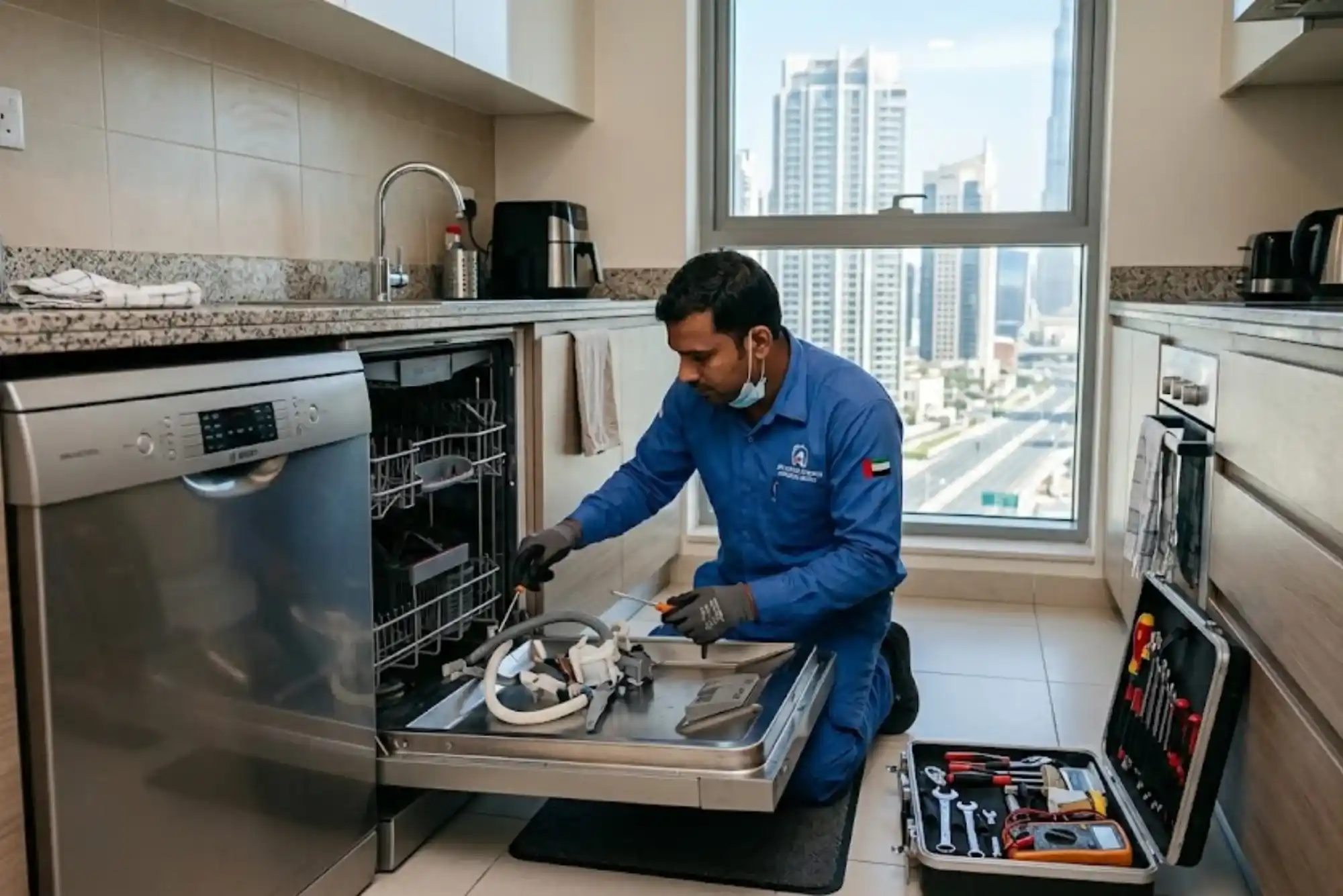
Addressing dishwasher water pressure problems often requires professional expertise. A technician can measure the incoming pressure, inspect connections, and identify whether the issue originates from the household plumbing system or the appliance itself. In cases of low water pressure, the technician may recommend checking the supply line for clogs, cleaning filters, or adjusting household plumbing. For high water pressure, installing a pressure regulator can effectively bring levels back into the safe operating range.
Regular servicing of the dishwasher also plays a role in maintaining proper pressure. Professional cleaning of spray arms, filters, and inlet valves ensures unobstructed water flow and optimal performance. Investing in professional maintenance not only improves cleaning results but also prevents premature appliance replacement.
Preventive Measures for Homeowners
Homeowners can take simple steps to maintain proper dishwasher water pressure. Ensuring that the water supply valve is fully open before running a cycle is a basic yet often overlooked practice. Cleaning the inlet filter periodically prevents clogs that restrict flow. Avoiding simultaneous use of multiple high-demand appliances, such as washing machines or showers, during a dishwasher cycle can also help maintain stable pressure.
For households located in regions with fluctuating water supply, installing a pressure regulator or booster pump may provide long-term stability. Regular monitoring of household water pressure through gauges can also help homeowners detect problems early and seek timely solutions.
The efficiency, reliability, and lifespan of a dishwasher depend heavily on proper water pressure. Balanced pressure ensures thorough cleaning, optimal detergent use, and reduced energy and water consumption. It protects sensitive components from unnecessary wear while helping homeowners avoid costly repairs or replacements. Whether dealing with low or high pressure, understanding its impact on dishwasher performance is the first step in maintaining a reliable and efficient appliance.
Homeowners who prioritize proper water pressure not only safeguard their dishwasher but also contribute to a more sustainable and cost-effective household. With professional servicing and preventive care, dishwashers can continue to deliver spotless results while remaining a dependable kitchen companion for years to come.