Air conditioning systems play a vital role in maintaining indoor comfort, especially in regions with intense summer heat. While most people focus on mechanical components like compressors or refrigerants, many overlook the significance of the electrical system that powers and controls the entire unit. Electrical issues are among the most frequent causes of AC breakdowns, and if not addressed promptly, they can lead to reduced efficiency, costly repairs, or complete system failure.
This article explores the most common electrical issues in AC units, how they manifest, what causes them, and what can be done to prevent or resolve them effectively.
Importance of Electrical Systems in AC Functionality
The electrical system in an air conditioner is responsible for starting and running critical components such as the compressor, condenser fan motor, and indoor blower. It also manages the thermostat and other control systems. Without a reliable electrical infrastructure, even the best air conditioning unit cannot operate efficiently.
Electricity powers every cooling cycle, from the initial signal sent by the thermostat to the startup of the compressor and fans. Any interruption in this process, whether due to wiring faults, capacitor failure, or electrical overloads, can hinder performance or bring the system to a halt.
Circuit Breaker Tripping Frequently
One of the most frequent symptoms of electrical problems in air conditioning units is the circuit breaker tripping regularly. This is a protective mechanism to prevent overloads and potential fires. When the AC draws more current than the breaker can handle, it shuts off the power.
Causes may include short circuits, a dirty air filter leading to restricted airflow, malfunctioning capacitors, or an aging compressor drawing excess power. Persistent breaker trips should never be ignored, as they indicate a deeper issue within the unit’s electrical system.
Failed or Weak Capacitors
Capacitors are essential for starting and running the motors in the AC system. There are start capacitors that help the unit kick on, and run capacitors that keep it operating steadily. Over time, capacitors can weaken or fail completely, especially under high temperature or voltage stress.
Symptoms of a failing capacitor include humming noises, difficulty starting, or intermittent shutdowns. If not replaced in time, a failed capacitor can result in compressor or fan motor damage, increasing repair costs substantially.
Faulty Contactors and Relays
Contactors are responsible for sending voltage to motors and compressors when the thermostat signals the need for cooling. Relays work similarly by directing power to various electrical components. If these components become worn or corroded, they may not close or open correctly, causing intermittent operation or failure to start.
A buzzing sound from the unit or a failure to engage cooling cycles can be early indicators of contactor or relay issues. These parts should be examined regularly to prevent service interruptions.
Damaged or Loose Wiring
Loose, corroded, or damaged wiring is a major safety hazard in AC systems. Over time, wires can degrade due to moisture, vibration, rodent activity, or improper installation. Exposed or poorly connected wires can lead to short circuits, system malfunctions, or even electrical fires.
Electrical inspections during routine maintenance are crucial for identifying early signs of wire wear and preventing future problems. Any signs of burnt wires, melted insulation, or sparking should prompt immediate professional assessment.
Blown Fuses
Fuses are designed to protect AC components from current spikes. When a fuse blows, it cuts off power to prevent further damage. While this acts as a safeguard, it also halts the AC’s functionality until the fuse is replaced.
Frequent blown fuses may point to underlying problems like compressor failure, motor issues, or incorrect fuse sizes. Simply replacing the fuse without investigating the root cause can lead to repeated failures.
Thermostat Electrical Malfunctions
The thermostat acts as the command center of your air conditioning system. Any disruption in the low-voltage wiring connecting the thermostat to the control board can cause erratic behavior or complete shutdown.
Faulty thermostats may display incorrect temperatures, fail to send signals to the AC, Post Category , or cause the unit to short cycle. Sometimes the issue is not the thermostat itself but the wiring or power source feeding it. Diagnosing thermostat problems requires a thorough examination of voltage continuity and connections.
Overloaded Circuits and Voltage Fluctuations
AC units require a dedicated circuit to handle the load safely. Connecting multiple high-draw appliances to the same circuit can lead to overloads, voltage drops, or inconsistent power delivery to the air conditioner.
Voltage fluctuations can be particularly damaging to sensitive electronic controls in modern HVAC systems. Installing surge protectors and ensuring proper electrical load management helps avoid such problems.
Compressor Electrical Failure
The compressor is one of the most expensive and critical components in an AC system. Electrical failure of the compressor is often linked to capacitor issues, burned-out windings, or internal shorts.
A hard-starting compressor, humming without starting, or tripped breaker may indicate electrical failure. Once the compressor is compromised electrically, it may not be repairable and could require a complete replacement of the outdoor unit.
Improper Grounding
Proper grounding of the AC system is essential for safe operation. Without correct grounding, stray electrical currents can damage internal components or pose a shock hazard.
Improper grounding is often the result of incorrect installation or degradation of grounding connections over time. Professional assessment ensures that all grounding meets safety standards and local codes.
Signs That Indicate Electrical Problems in AC Units
Recognizing early signs of electrical problems can save you from extensive damage and discomfort. Warning signs include frequent circuit breaker trips, burning smells, buzzing noises from the outdoor unit, irregular cooling performance, or complete failure to turn on.
Inconsistent indoor temperatures, thermostat malfunctions, or unexplained power interruptions are also indicators of potential electrical issues. Timely intervention can prevent minor faults from escalating into system-wide failures.
Risks of Ignoring Electrical Problems
Neglecting electrical issues in air conditioning units can lead to severe consequences. In the short term, it causes discomfort and reduced cooling efficiency. Over time, unresolved electrical faults can damage motors, compressors, and control boards, leading to costly replacements.
In worst-case scenarios, electrical problems can result in fire hazards or electrocution risks. Addressing issues early not only protects your comfort but also ensures the safety of your household.
Preventative Measures and Regular Maintenance
Preventing electrical problems in AC units begins with routine maintenance. Periodic inspections by qualified technicians can detect weak capacitors, worn contactors, or loose wiring before they cause breakdowns.
Other preventative steps include keeping air filters clean, ensuring outdoor units are free of debris, and using voltage stabilizers in areas with inconsistent power supply. Installing surge protectors adds another layer of defense for modern AC systems equipped with electronic components.
Importance of Professional Diagnosis
Electrical systems in air conditioners are complex and potentially dangerous. Attempting to fix wiring, capacitors, or internal components without proper training and equipment can lead to personal injury or further damage to the system.
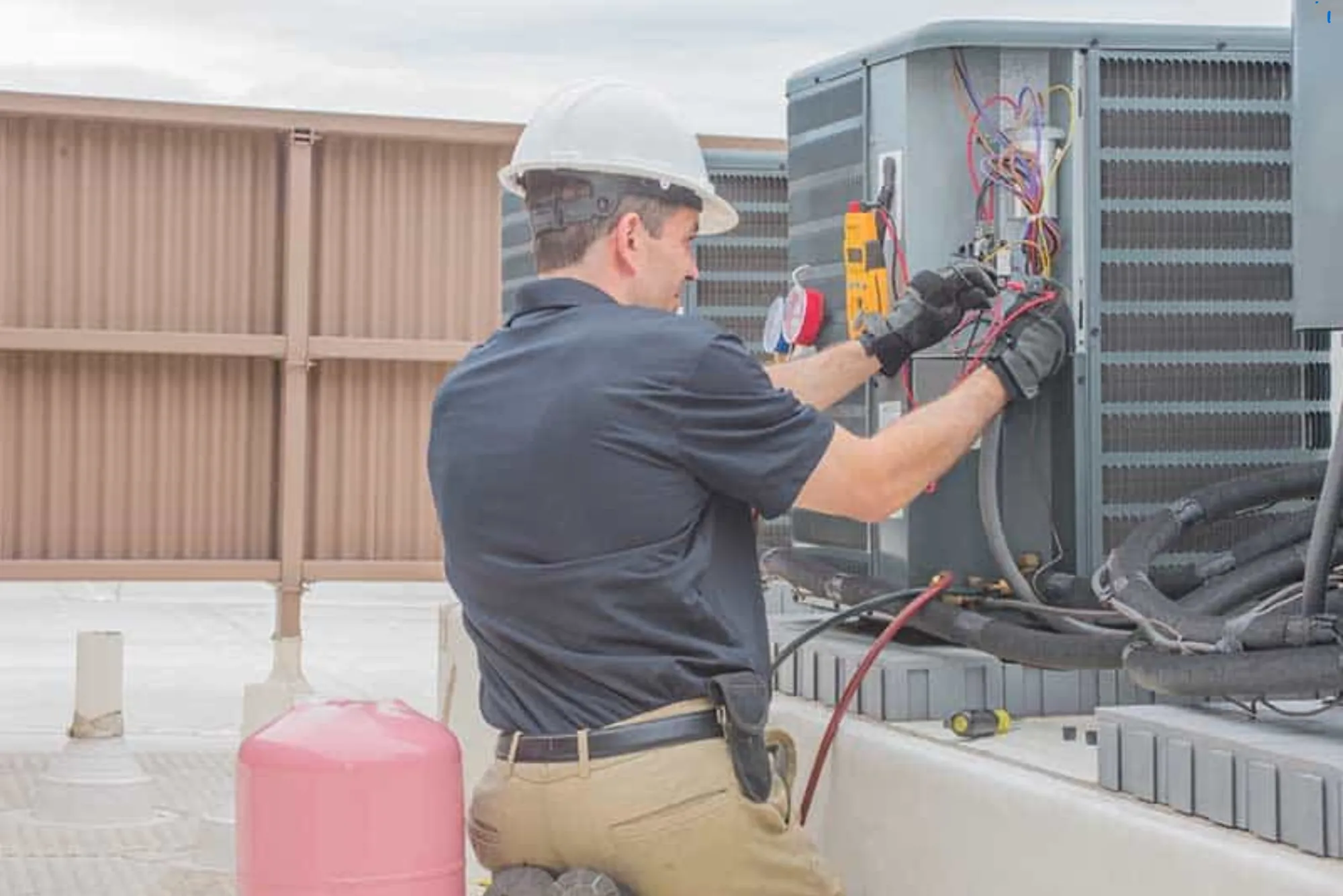
Engaging a professional ensures safe diagnosis using specialized tools like multimeters, insulation testers, and clamp meters. An expert can accurately trace faults and recommend cost-effective solutions, reducing the risk of unnecessary replacements or repeat problems.Electrical issues in AC units are among the most common and disruptive problems homeowners face. From capacitor failures and loose wiring to compressor burnout and thermostat malfunctions, these faults can compromise both comfort and safety. By understanding the signs and causes of electrical problems, property owners can take proactive steps to maintain efficient, safe, and reliable air conditioning systems.
Routine maintenance, timely diagnostics, and professional repair play essential roles in preserving the lifespan and performance of your unit. Addressing electrical concerns early not only improves efficiency but also prevents dangerous situations from arising, ensuring peace of mind throughout the cooling season.