Understanding the Importance of Efficient Cooling
As temperatures rise during the summer months, air conditioning becomes essential for comfort. However, the increased use of AC systems can also lead to significantly higher electricity bills and greater environmental impact. The good news is that you can maintain a cool, comfortable home without overloading your utility expenses simply by optimizing your AC settings.
Using energy-efficient air conditioning strategies doesn’t mean sacrificing comfort. With the right settings and a few practical habits, you can enjoy a consistently cool indoor environment while saving money and conserving energy. This article explores professional, human-tech tips to help you get the most out of your AC system this summer.
Setting the Ideal Temperature for Energy Efficiency
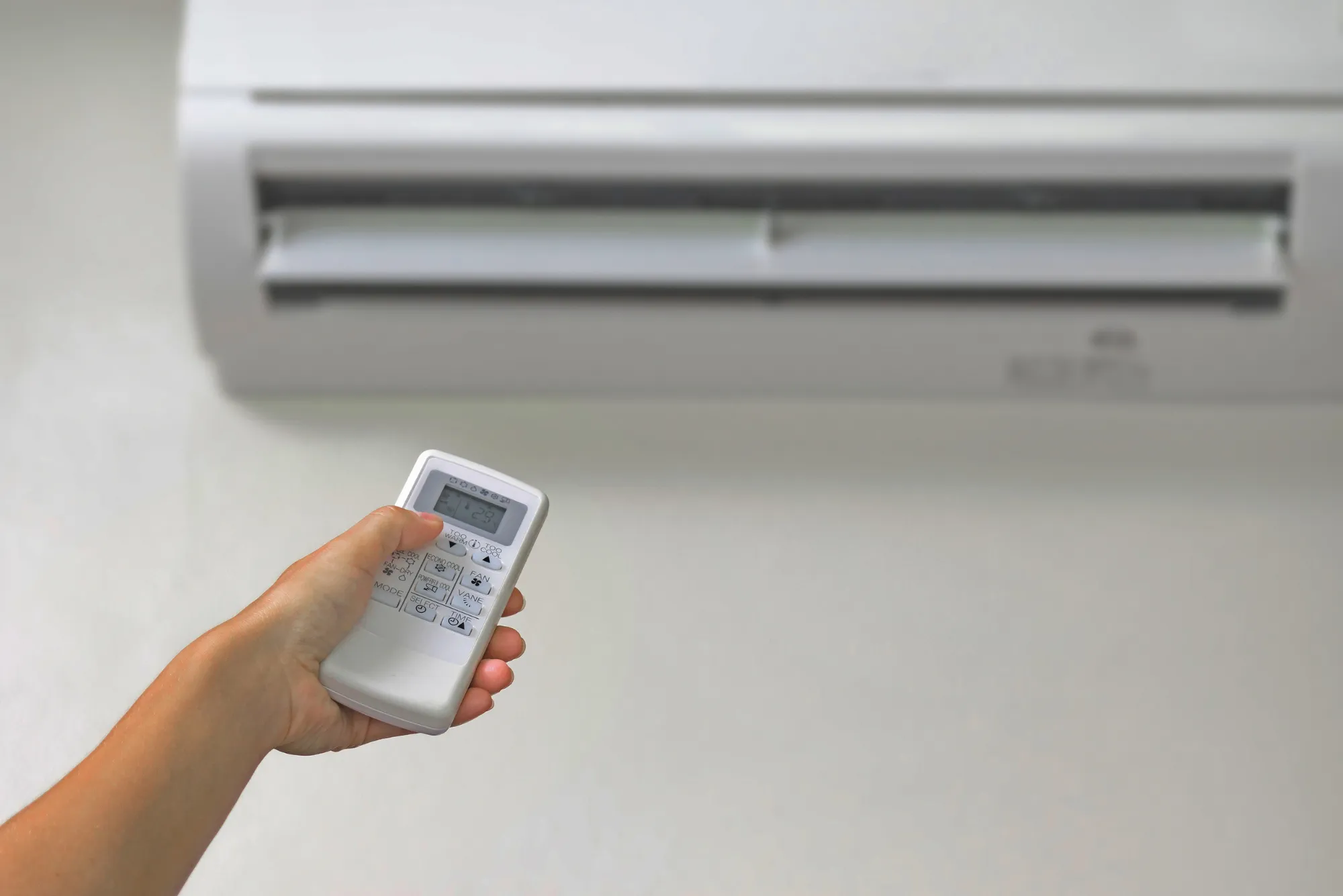
One of the most critical factors in reducing energy consumption is the temperature you set on your thermostat. According to industry experts, the ideal energy-saving setting during summer is 24 to 26 degrees Celsius (75 to 78 degrees Fahrenheit) when you’re at home. This range offers a comfortable indoor climate without forcing your AC to work excessively.
Each degree lower than this recommended range can increase your energy usage by up to 5-10%. So, setting the temperature just a bit higher can make a noticeable difference in your monthly electricity bill. When you’re away from home, increasing the temperature to 28°C or higher—or using a programmable thermostat to raise it automatically—can yield even greater savings.
Using Auto Mode and Fan Speed Adjustments
Most modern air conditioners come equipped with various modes such as Cool, Dry, and Auto. During summer, using Auto mode can optimize energy use, as the system automatically adjusts cooling and fan speeds based on room temperature.
Additionally, adjusting the fan speed to medium or low can reduce energy consumption while still maintaining adequate airflow. High fan speeds may cool the room slightly faster, but they also consume more power and often create unnecessary noise.
Utilizing Programmable Thermostats and Smart Controls
Programmable thermostats or smart AC controls can drastically enhance your energy efficiency efforts. These tools allow you to schedule temperature changes based on your daily routine. For example, you can set your AC to lower the temperature 30 minutes before you arrive home and increase it when you leave.
Smart thermostats can even learn your behavior over time and adjust automatically to maintain comfort while minimizing energy use. Features like motion sensors and app-based control give you real-time access to your home’s climate, no matter where you are.
Sealing Windows and Preventing Heat Intrusion
Even with the best AC settings, your cooling efforts will fall short if your home isn’t properly sealed. Make sure windows and doors are airtight to prevent warm air from entering and cool air from escaping.
Using thick curtains or thermal blinds can significantly reduce heat intrusion from the sun, especially during peak afternoon hours. For added insulation, consider installing weather stripping or door sweeps that block gaps where air can leak. A sealed and insulated home keeps your AC from overworking, which means more energy savings over time.
Maintaining Your AC for Peak Performance
Efficient settings can only take you so far if your AC unit is struggling with dust buildup, clogged filters, or refrigerant issues. Regular maintenance is key to ensuring your air conditioning system runs smoothly throughout the summer.
Clean or replace air filters at least once a month during heavy-use periods. Dirty filters restrict airflow, forcing the system to use more power to circulate air. Additionally, having a technician inspect coils, check for refrigerant leaks, and ensure electrical components are in good shape can further improve energy efficiency.
A well-maintained unit not only consumes less energy but also lasts longer, reducing the need for costly replacements and emergency repairs.
Leveraging Zoning and Ventilation Options
If your home has multiple rooms or zones, using a zoning system allows you to cool only the spaces you’re actively using. This prevents energy waste and ensures maximum comfort where it’s needed most.
In homes without zoning, you can still close doors and vents in unused rooms to focus cooling efforts on specific areas. Additionally, using ceiling fans or portable fans in tandem with your AC system can distribute cool air more evenly, allowing you to raise the thermostat by a few degrees without feeling any warmer.
Proper ventilation is equally essential. Use exhaust fans in kitchens and bathrooms to remove excess heat and humidity, which can reduce the cooling load on your AC system.
Avoiding Overcooling and Constant Adjustments
One common mistake many people make is setting their AC to a much lower temperature when they come home, thinking it will cool the room faster. In reality, most air conditioners cool at a constant rate, and lowering the temperature dramatically only forces the system to run longer.
Avoid this overcooling habit and stick to gradual temperature adjustments. Keep your thermostat stable throughout the day as much as possible. Constant changes in settings can confuse the system’s logic and lead to inefficient performance.
Daytime and Nighttime Cooling Strategy
Cooling needs vary between day and night. During the day, the sun’s heat increases indoor temperature, requiring a more active cooling strategy. During nighttime, however, outdoor temperatures usually drop , Post Category , providing an opportunity to scale back energy use.
You can take advantage of this natural cooling by setting the thermostat a few degrees higher after sunset and using fans to maintain comfort. In some regions, opening windows during cooler nights can bring in fresh air and reduce your reliance on air conditioning.
Balancing your AC use based on the time of day helps optimize performance and avoid unnecessary energy consumption.
Choosing the Right AC System for Long-Term Savings
If you’re using an older air conditioner, it might not be equipped with energy-saving features available in newer models. Upgrading to an energy-efficient unit with a high Energy Efficiency Ratio (EER) or SEER rating can significantly lower your cooling costs.
Inverter technology, which allows the AC compressor to operate at variable speeds, is particularly effective for saving energy. These systems adjust their performance according to room temperature, maintaining consistent cooling without frequent on-off cycling.
When choosing a new AC system, consider your room size, insulation quality, and usage patterns to find the most suitable model. While the upfront cost may be higher, the long-term savings are well worth the investment.
Behavioral Changes That Enhance Energy Savings
Technology and settings are powerful tools, but your daily habits also play a major role in conserving energy. Simple actions like wearing light clothing at home, turning off the AC when not needed, and limiting heat-producing activities (such as cooking or ironing) during peak heat hours can make a big impact.
Encouraging all household members to be mindful of AC usage ensures a collaborative approach to energy conservation. Awareness is key—every small adjustment helps in maintaining a comfortable and eco-friendly living environment.
Monitoring Energy Consumption
If you’re serious about energy savings, consider using an energy monitor or smart plug that tracks the electricity usage of your AC system. These tools give you real-time insights into how much energy is being consumed and help you evaluate which settings work best for your home.
With proper monitoring, you can make data-driven decisions to optimize your cooling strategy and further reduce your utility bills.
Creating a Cool and Efficient Summer Environment
Summer comfort doesn’t have to come at the cost of high electricity bills. By understanding and using the most energy-efficient AC settings, performing regular maintenance, and adjusting your habits, you can enjoy a refreshingly cool indoor space without unnecessary expense.
Energy-saving AC practices are more than just cost-cutting measures—they contribute to a sustainable lifestyle that benefits both the environment and your household. Start with simple changes today and make this summer your most efficient one yet.